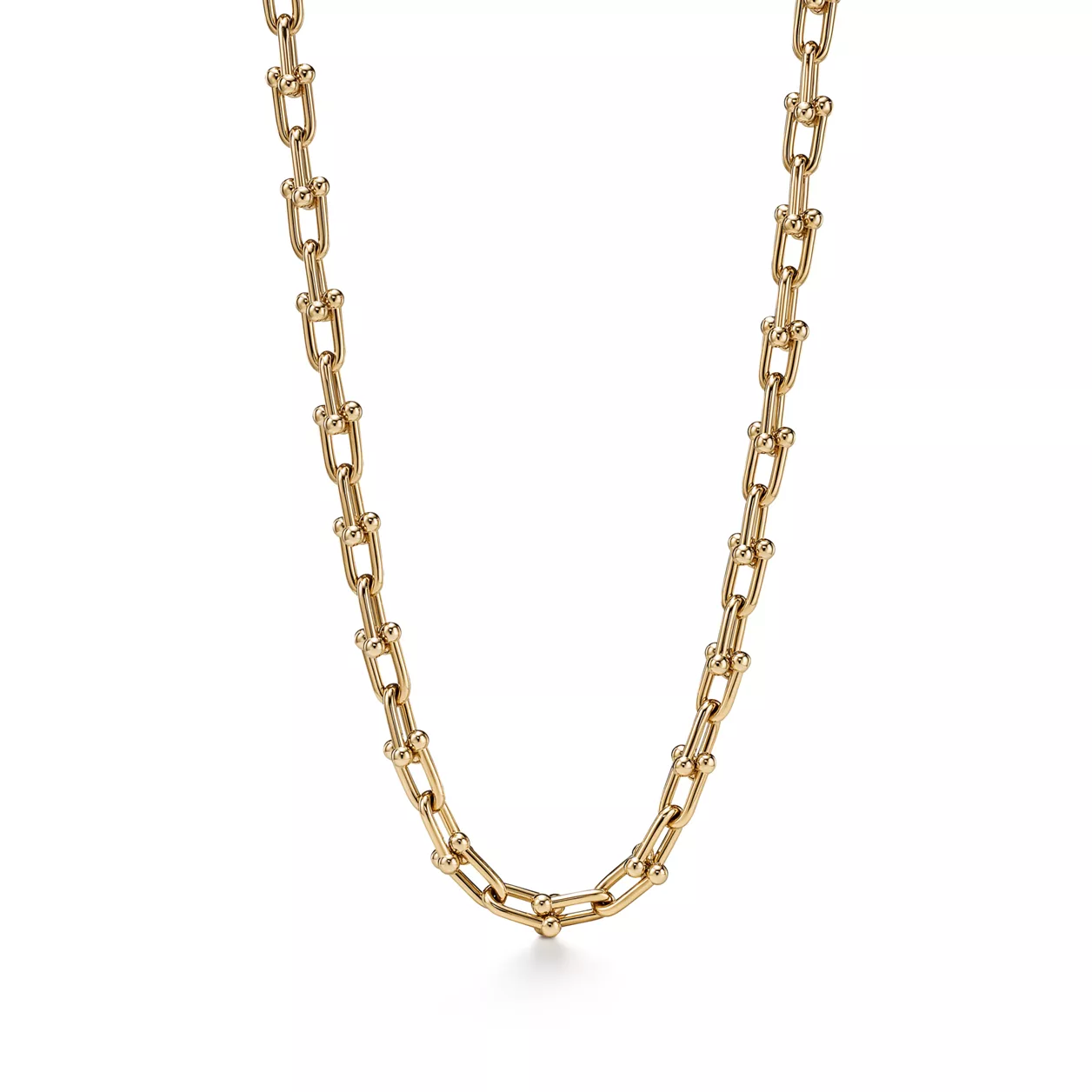
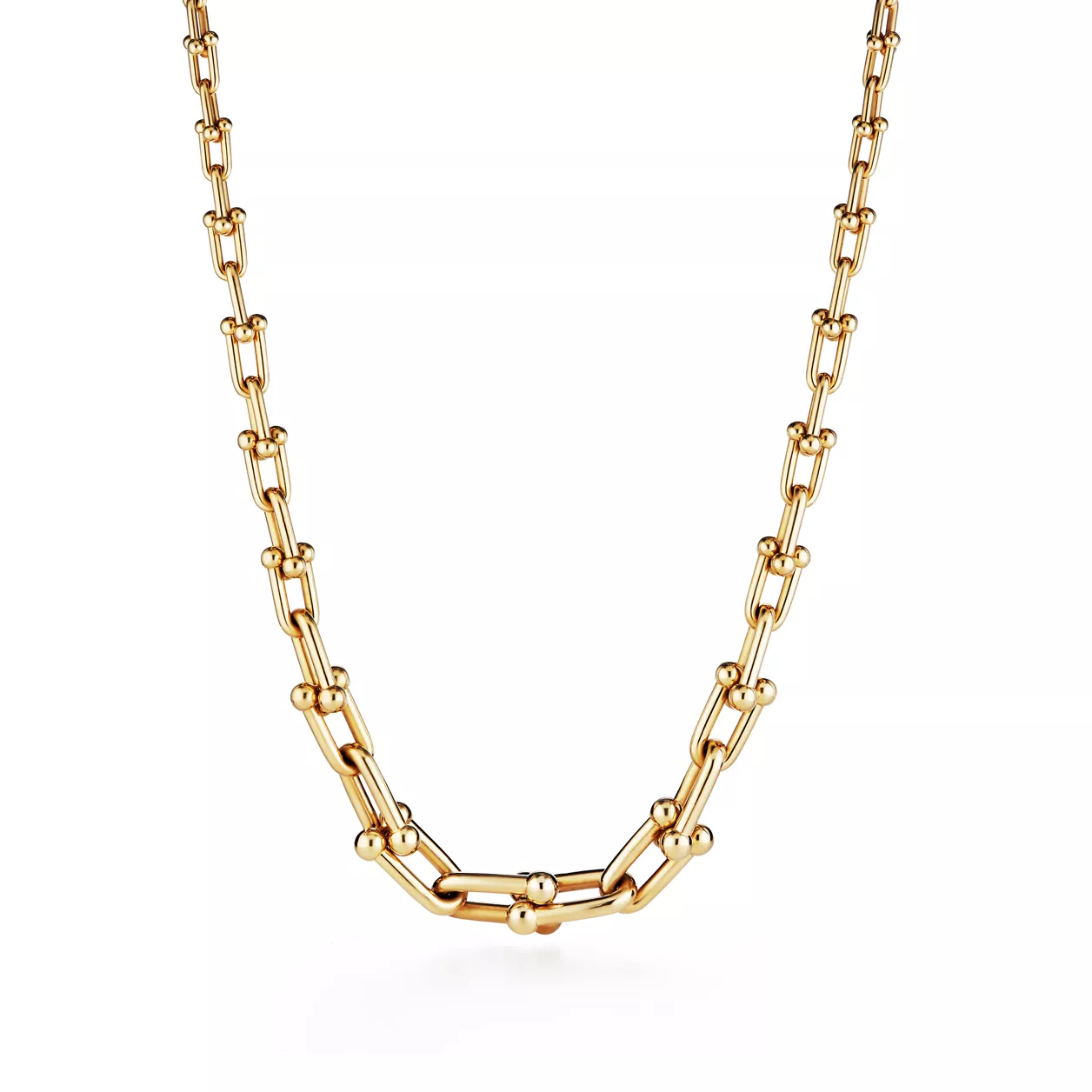
I'm not one to save my best pieces for some fabulous occasion that may or may not materialize. Getting dressed is one of life's little pleasures, and I'm perfectly happy to indulge that impulse whether I'm heading out on a coffee run or making a return in SoHo. Great gold jewelry is my favorite way to make any outing feel special—and HardWear by Tiffany proves my point. Its sculptural links have plenty of presence, but they look entirely at home with classic wardrobe staples. A little yellow gold beside a sweater cuff or framing the face? Suddenly, a day of to-dos feels 10 times more special.
Each piece offers different ways to spruce up the day, depending on how much of a statement you're in the mood for. Here's what makes them so versatile—and how I'd wear them on a perfectly ordinary Tuesday.
Recognizable Gold Icons for Daily Wear
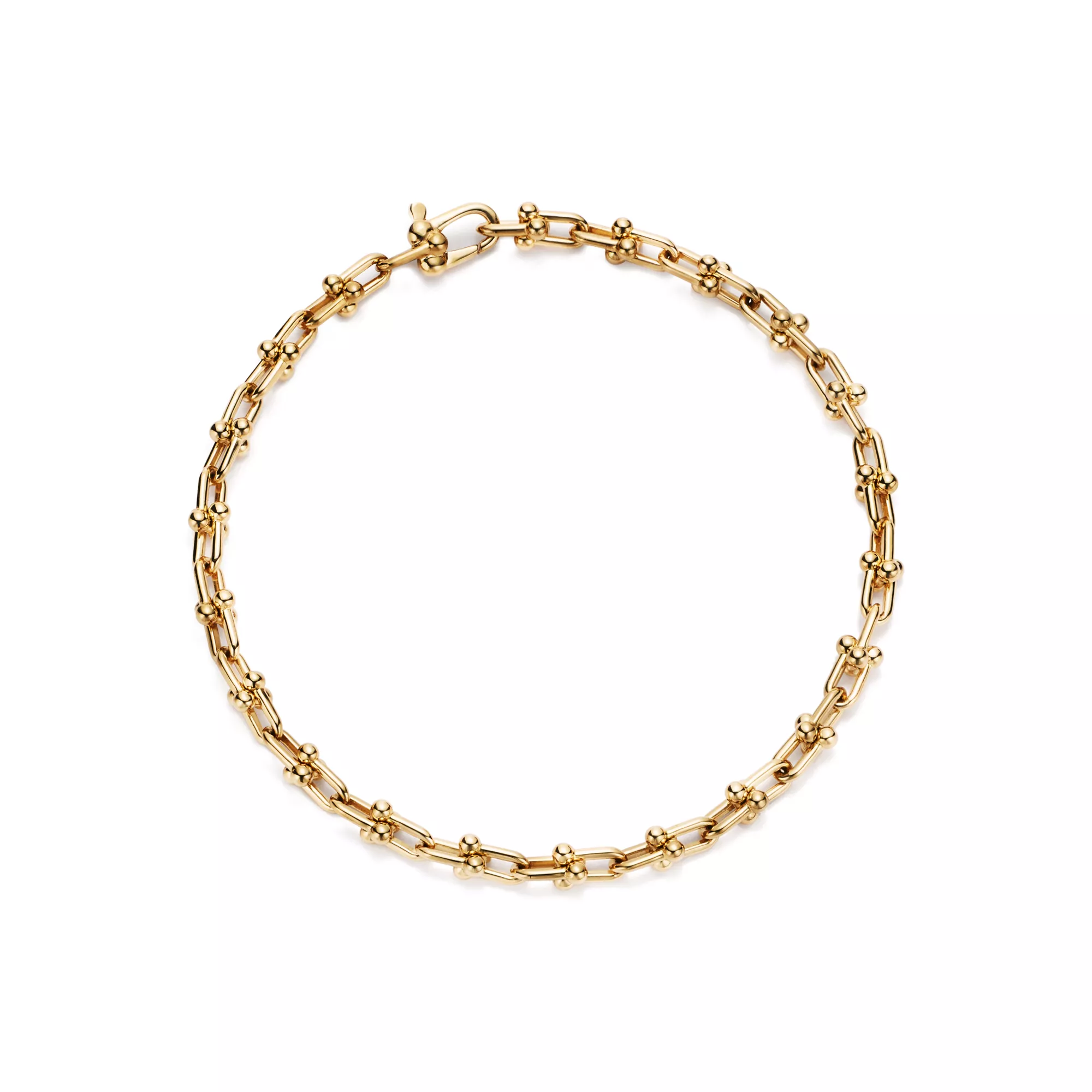
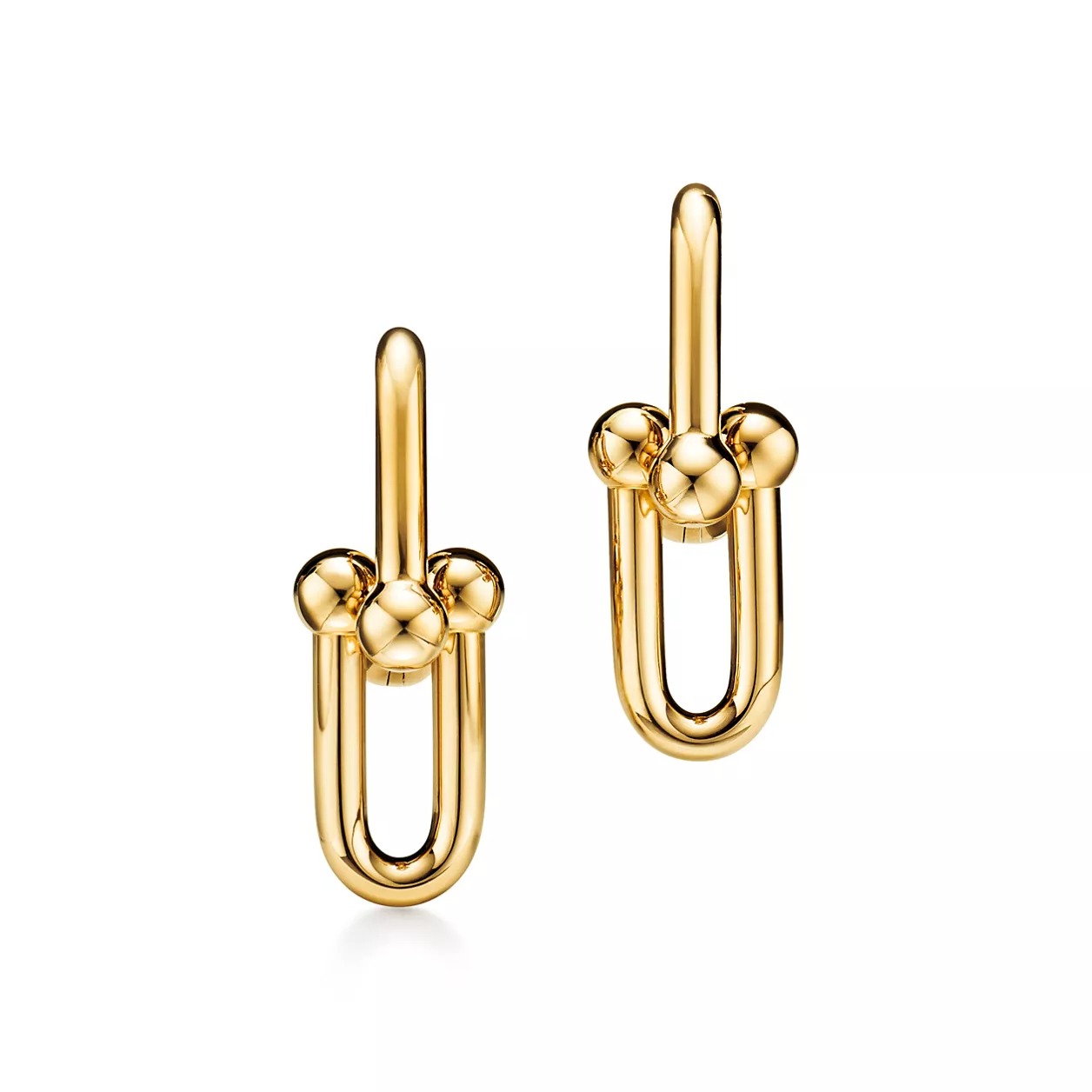
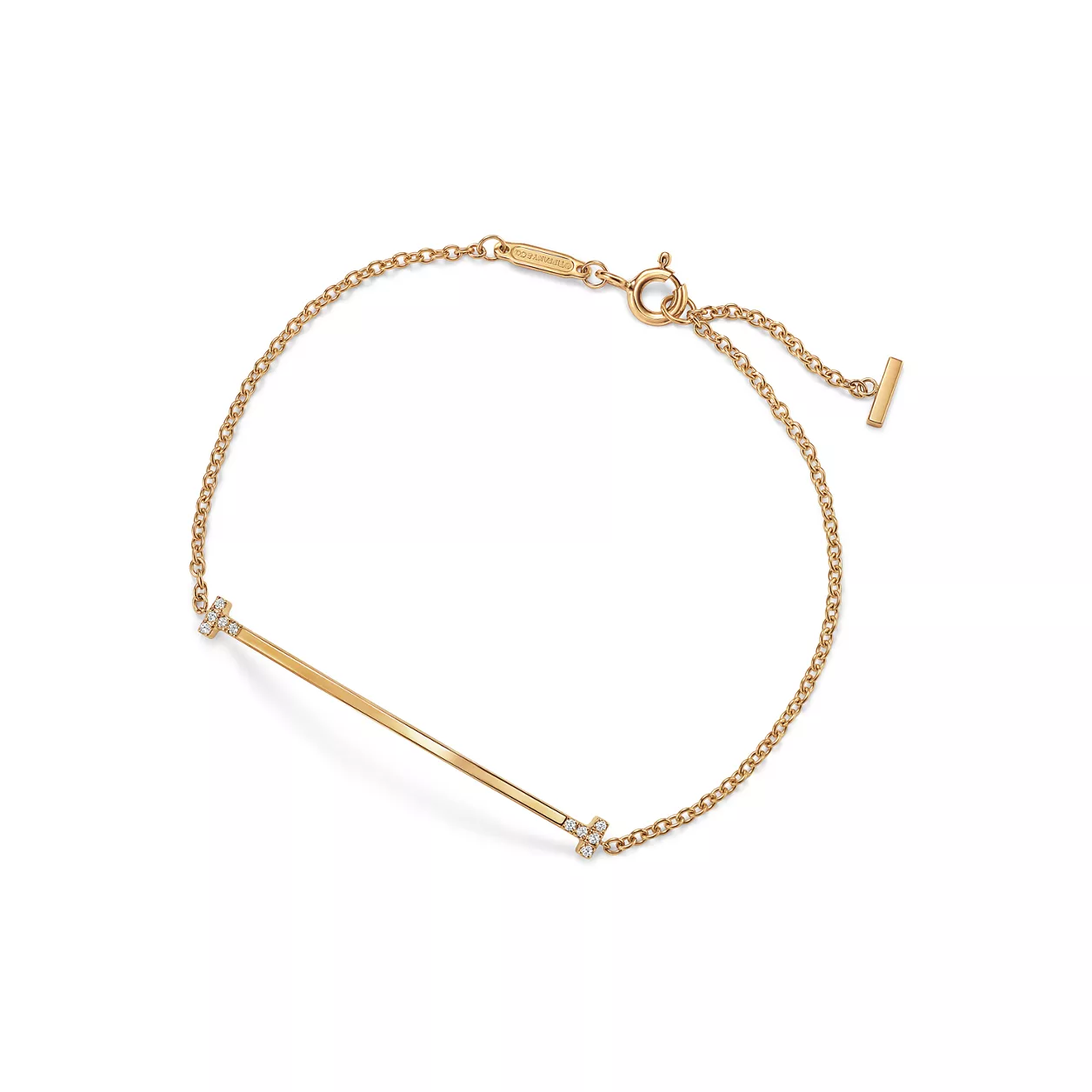
HardWear by Tiffany's signature links bring enough presence to make everyday clothes feel styled. The signature gauge links are instantly recognizable, and their 18-karat yellow gold composition brings just enough polish to clothes that would otherwise feel very off-duty. The two pieces I'm reaching for most are the Micro Link Bracelet and Medium Link Earrings. A formal invitation is lovely, but have you seen what these can do for a plain white tee?
HardWear’s History at a Glance
HardWear by Tiffany draws inspiration from a 1962 Tiffany & Co. archival bracelet, which explains why the links feel so distinctive. I'm always drawn to the little bits of heritage that make a design worth a second look. There's plenty of that here: the contours, the proportions, how the individual elements come together. If you're going to wear a piece constantly, it helps to have something to appreciate beyond how well it goes with your sweater.
Making HardWear Part of Your Personal Style
The Micro Link Bracelet brings a smaller-scale gold accent; the Medium Link Earrings give you more of a statement. I love the bracelet for the person whose outfits look simple until you notice all the excellent accessories. The earrings are for days when you want your jewelry to get a compliment before your coat is even off. Both feel like pieces people start to associate with you—and notice when you're not wearing them.
Tiffany & Co.
Tiffany HardWear Micro Link Bracelet in Yellow Gold
How I’m Wearing HardWear by Tiffany Every Day
I pair HardWear by Tiffany with the clothes already earning their keep in my wardrobe: the bracelet with a white shirt, cuffs turned back, and the earrings with a graphic tee and a herringbone blazer. For dinner, I'd slip into a black dress and keep the jewelry exactly where it is. Want another touch of gold? Add another bracelet or two to your stack. This is the fun of a good jewelry wardrobe: Your favorite clothes get a few more possibilities.
Tiffany & Co.
Tiffany HardWear Medium Link Earrings in Yellow Gold
From My Wish List to Theirs
HardWear by Tiffany makes a great gift for anyone who shares my philosophy that good jewelry deserves an outing regardless of what's on the calendar. A birthday or promotion is an excellent reason to give a loved one a piece of their own—and knowing they'll wear it with their usual Monday outfit makes the choice even better. The same logic applies to a self-gift, naturally. If you've been waiting for an excuse, this is it. Shop more of my Tiffany & Co. favorites ahead.
Shop Gold HardWear by Tiffany Pieces
Tiffany & Co.
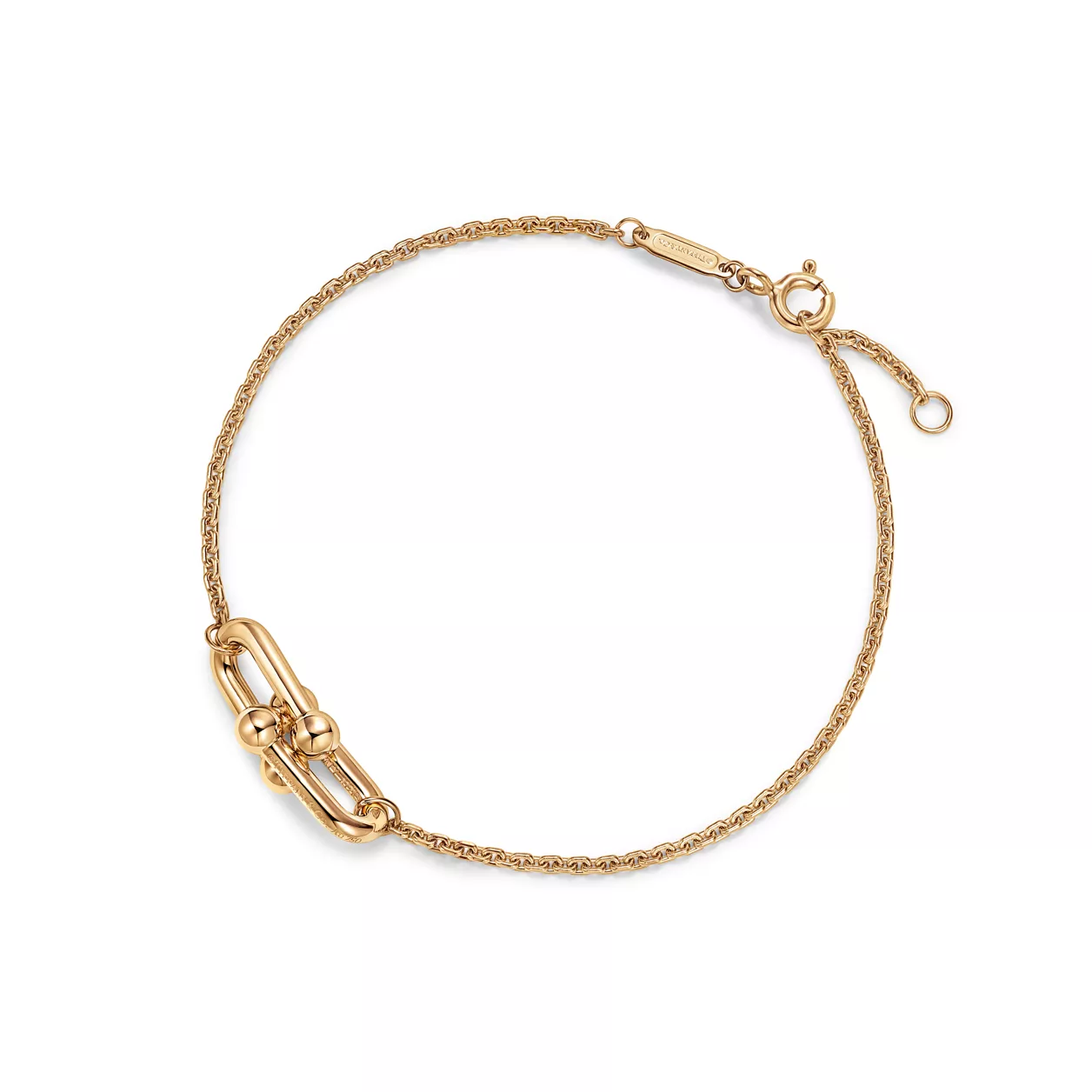
Tiffany HardWear Double Link Bracelet in Yellow Gold
Tiffany & Co.
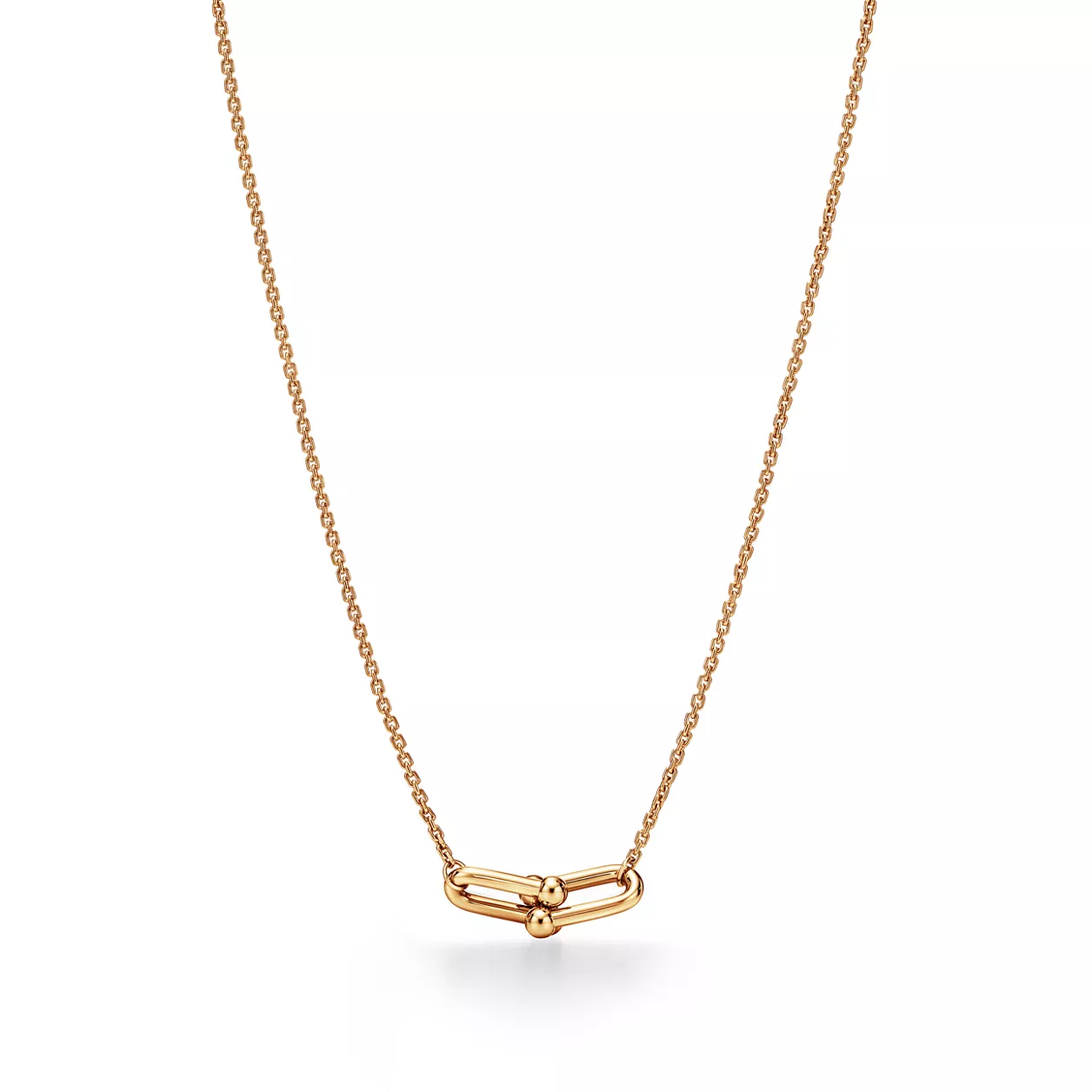
Tiffany HardWear Small Double Link Pendant in Yellow Gold
Tiffany & Co.
Tiffany HardWear Medium Link Necklace in Yellow Gold
Tiffany & Co.
Tiffany HardWear Graduated Link Necklace in Yellow Gold
Tiffany & Co.
Tiffany T Smile Small Bracelet in Yellow Gold with Diamonds
Tiffany & Co.
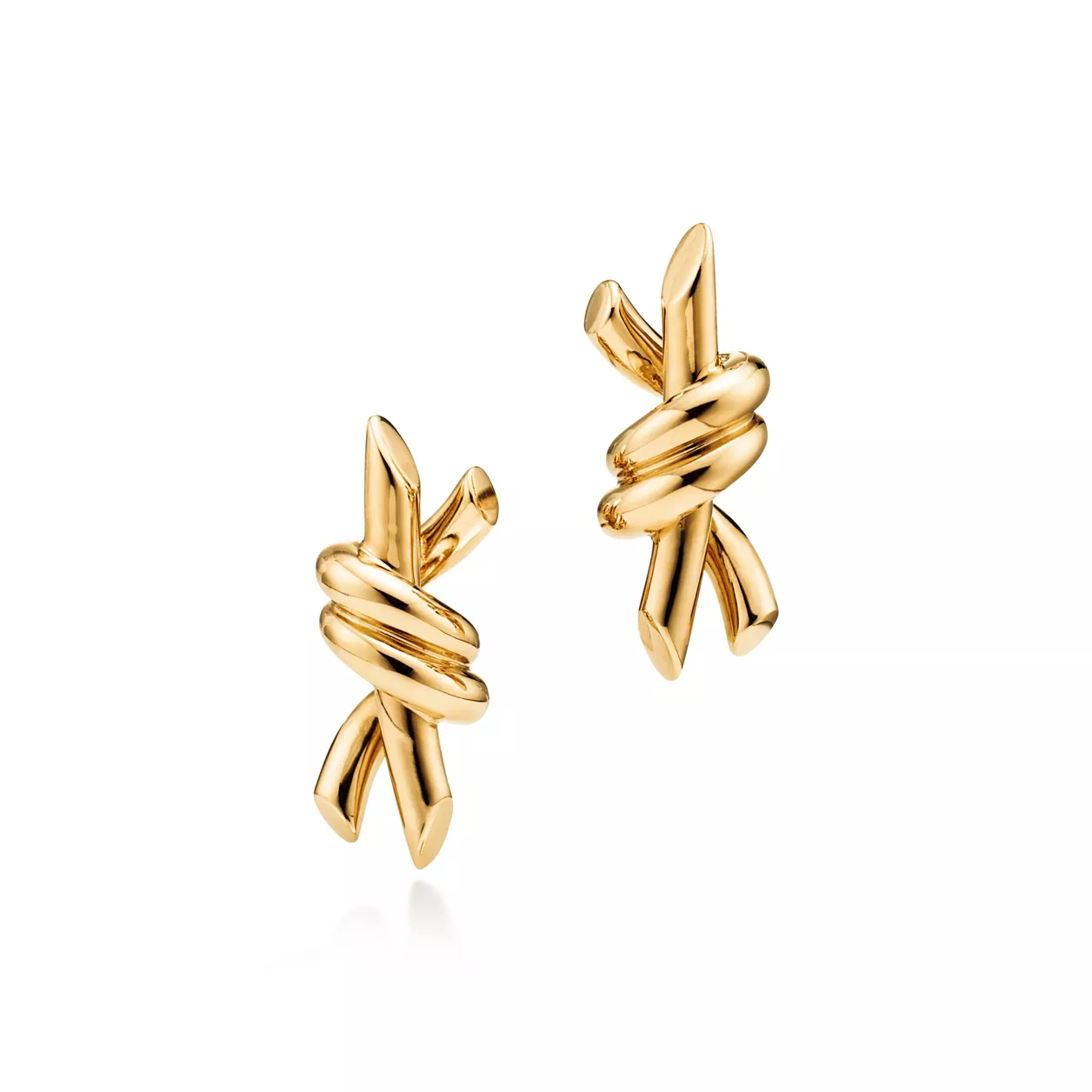
Tiffany Knot Small Earrings in Yellow Gold
from Latest from Who What Wear https://ift.tt/UsgnwqL
There's no better place for this American girl to attend her first Formula One Grand Prix than in Austin, Texas, where I spent the race weekend with Tommy Hilfiger and the Cadillac F1 Team. As a denim lover and frequent cowboy-boot wearer, I felt right at home. Still, nothing prepares you for the sheer magnitude of attending an F1 race in person. I'd be lying if I said I wasn't initially intimidated by an event of this scale, but Tommy Hilfiger's Americana spirit kept me grounded, providing me with a wardrobe of pieces I felt comfortable and confident in (ahem, denim). Truth be told, this trip felt like a match madein heaven.
At least I wasn't the only first-timer at the US Grand Prix—it was also Cadillac's first time racing at the Circuit of the Americas (COTA). Tommy Hilfiger, however, is no stranger to the race. The brand has sponsored F1 teams since the 1990s and created capsule collections that seamlessly blend its classic American sportswear heritage with F1's innovative technical expertise. The latest iteration is the Tommy Hilfiger x Cadillac Formula 1® Team Austin Fanwear capsule. The denim-led edit features special-edition pieces with chrome finishes, American flag chevron artwork, and signature red, white, and blue colorways incorporated throughout. The aesthetic was perfect for my weekend in Austin.
To see how I styled the capsule for 72 hours in Austin with Tommy Hilfiger, keep scrolling.
7 a.m.: Day one started early—and frantically, after throwing on last-minute cowboy boots and second-guessing my bandana accessories (at the risk of dressing a little too on the nose for Texas). After one Instagram scroll through the outfits each driver wore on Thursday for media day, I knew it'd be okay to lean in.
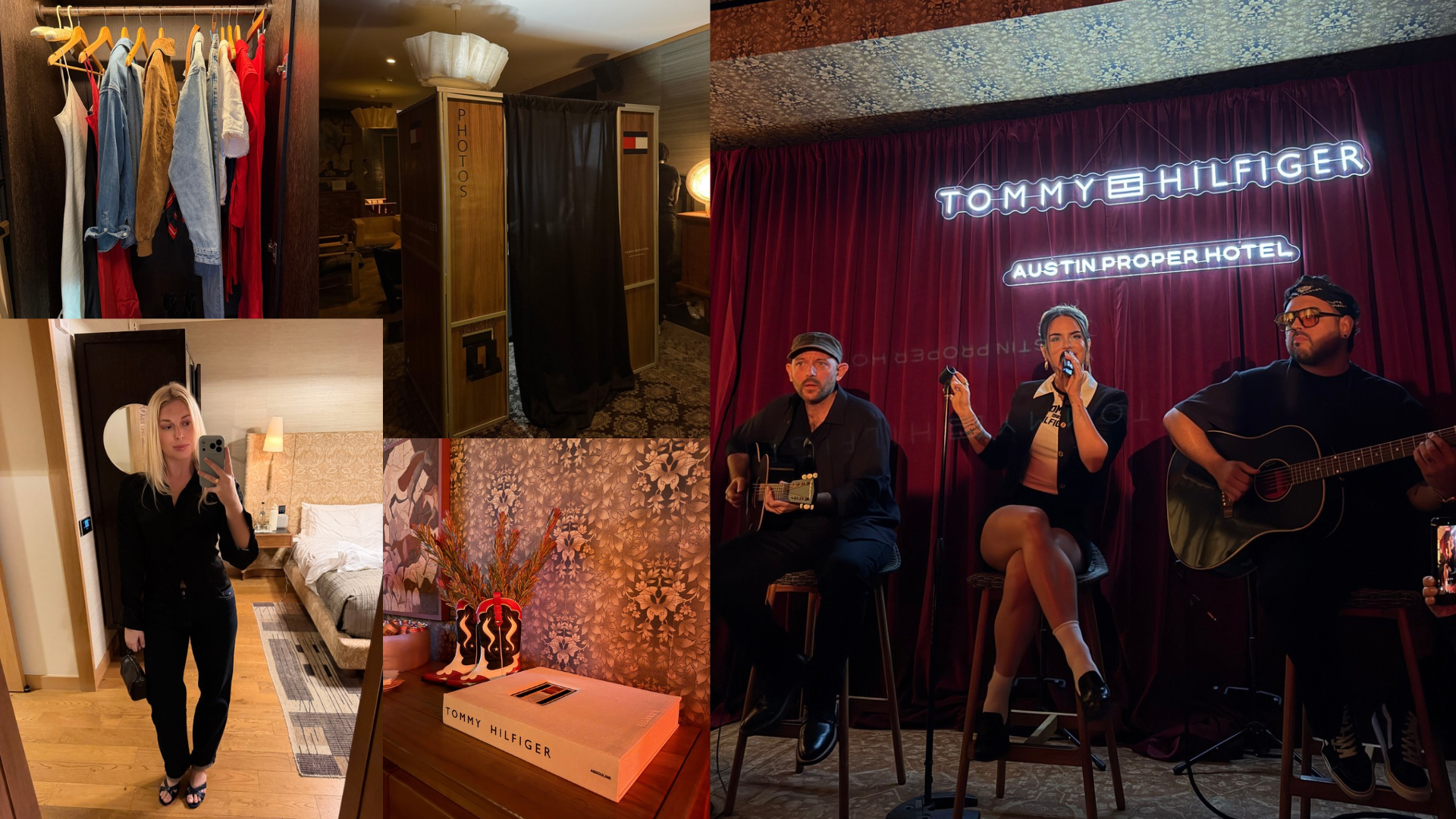
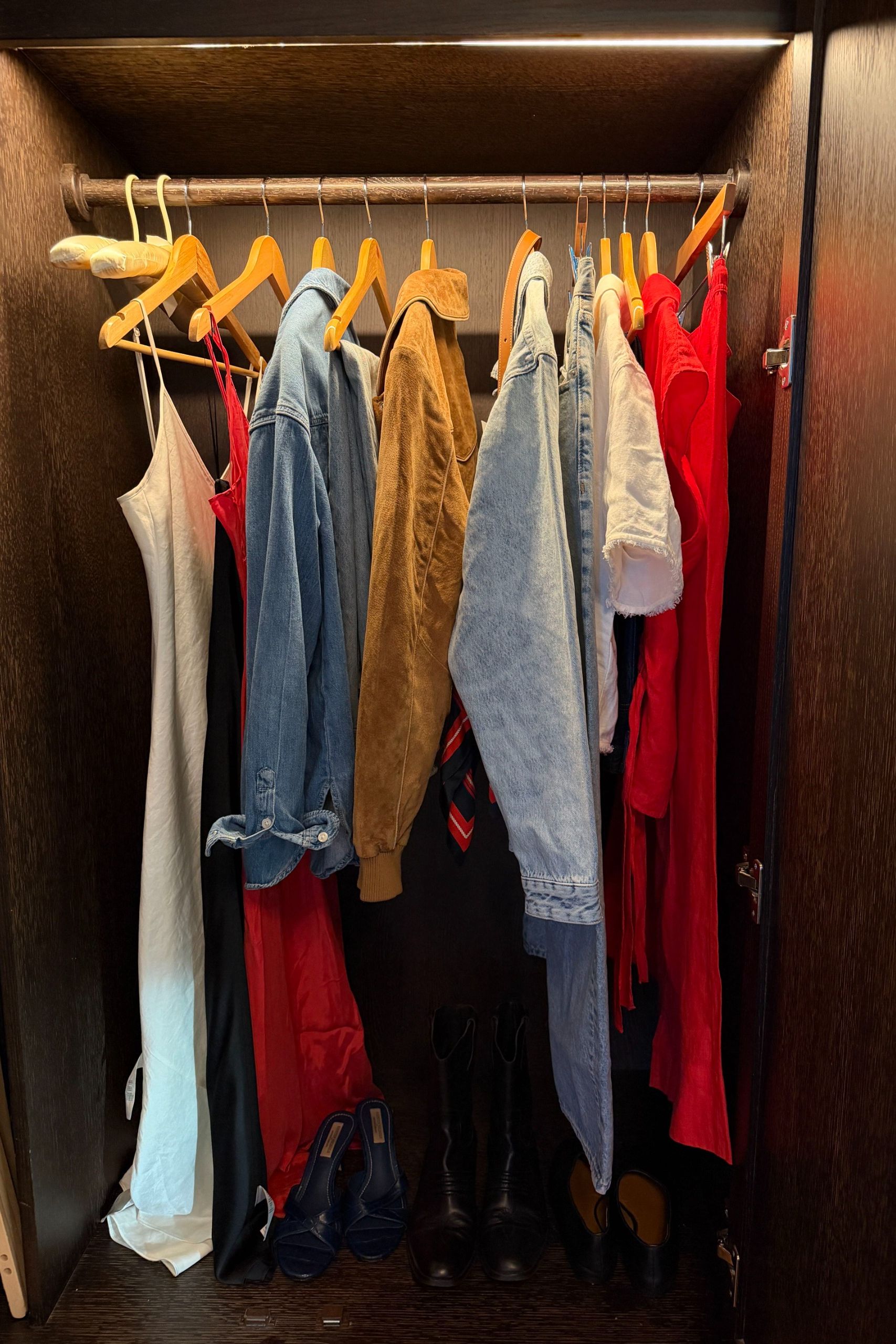
5 p.m.: I arrived at my room at the Austin Proper Hotel to find a closet full of pieces from the Tommy Hilfiger x Cadillac Formula 1® Team Austin Fanwear capsule. The capsule features classic TH pieces like denim and white tees, with an Americana flair that felt fitting for the Austin locale, giving me even more confirmation to embrace the aesthetic for the weekend.
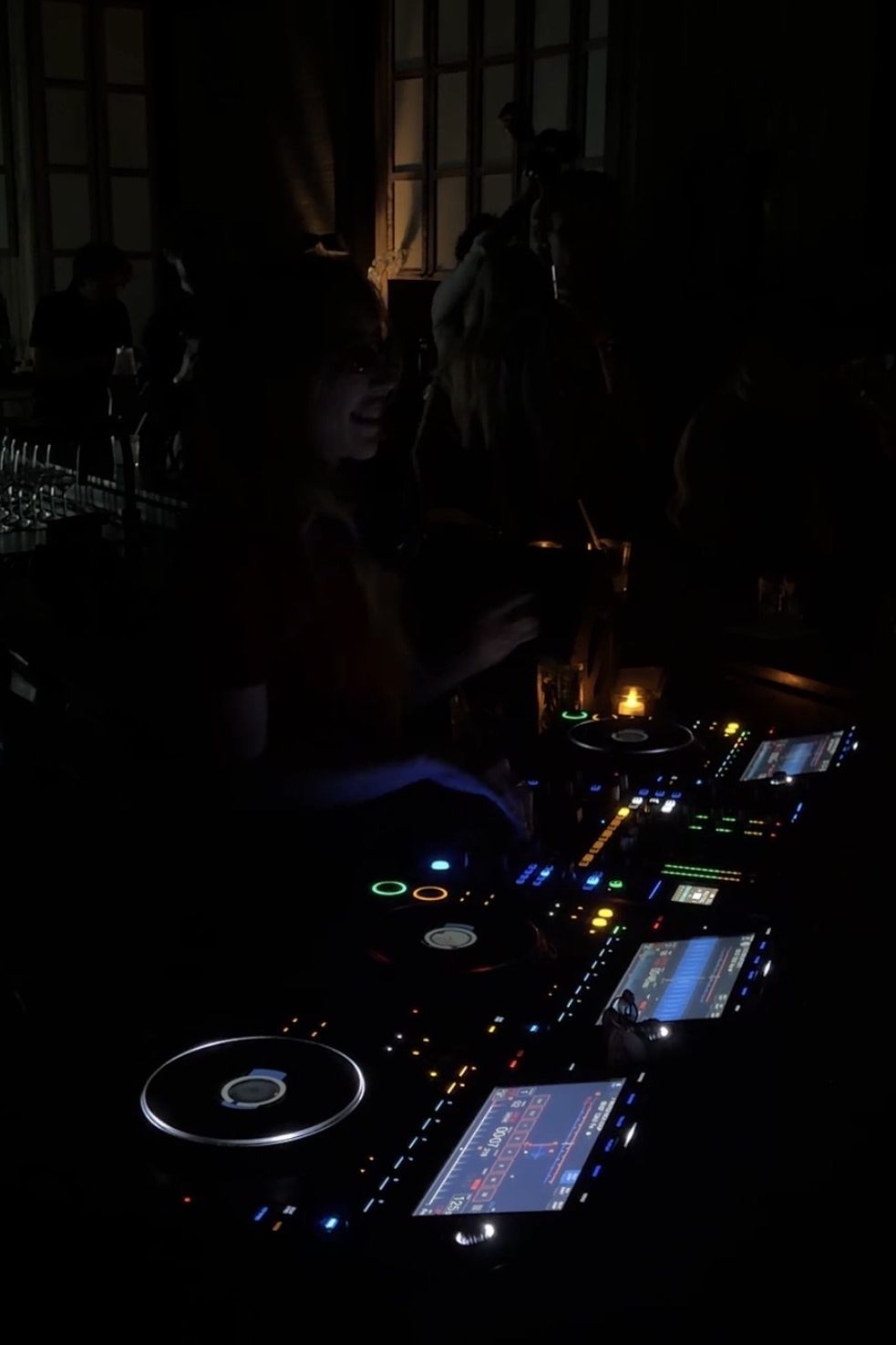
8 p.m.: After freshening up, I headed downstairs to the Proper's Quill Room for a cocktail party and live performance by the legendary JoJo. We collectively sang along to her acoustic versions of "Leave (Get Out)" and "Too Little Too Late." The nostalgia was palpable. After one sparkling water with lime and a pit stop at the Tommy Hilfiger photo booth, I was off to bed.
Day 2: Qualifying Day at the Cadillac F1 Paddock Club
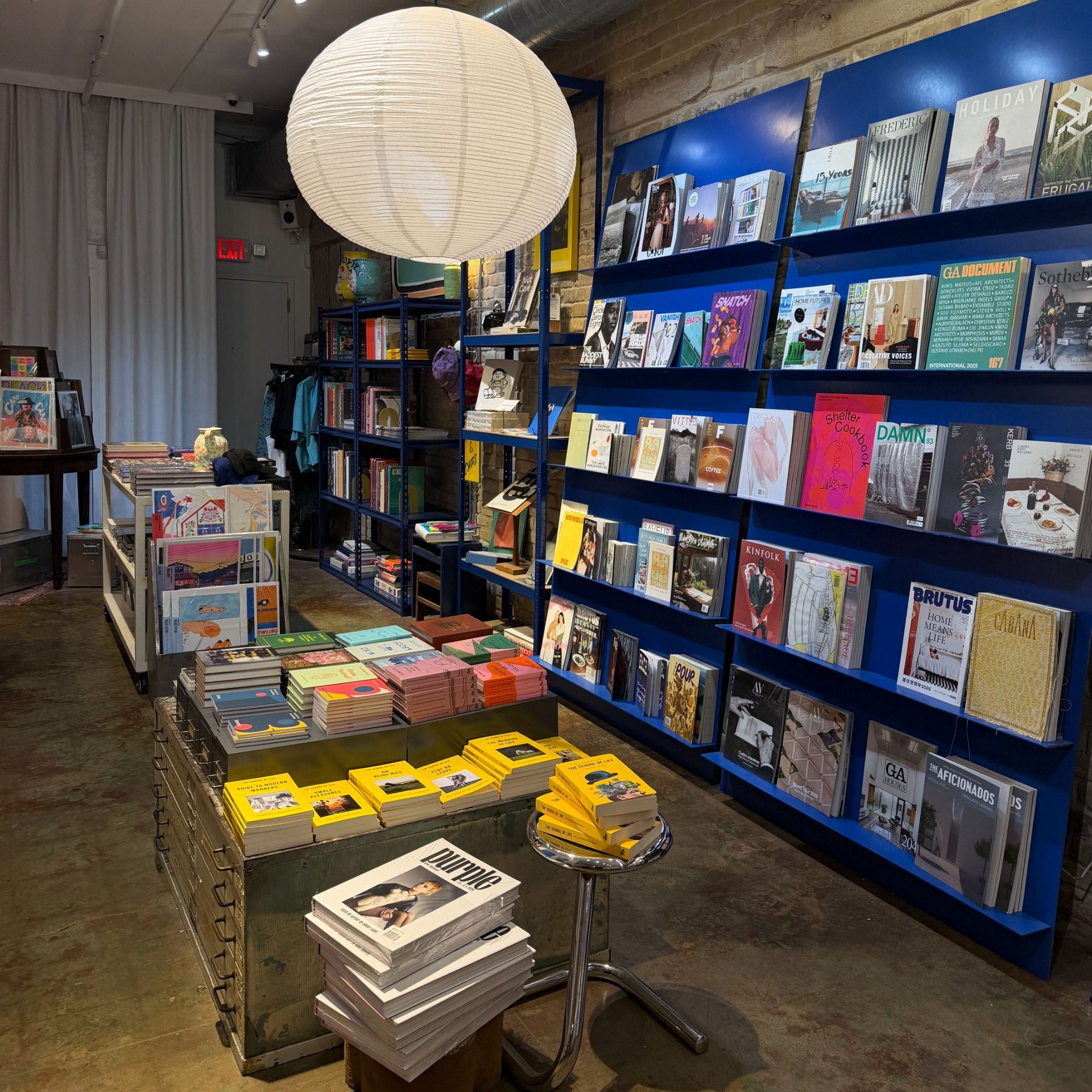
7 a.m.: Day two started with a workout on the Pilates reformer at the Proper's gym, followed by quick coffee and a jaunt to TOMO Mags, a magazine shop in Austin. It's a must for anyone interested in supporting independent artists and print publications.
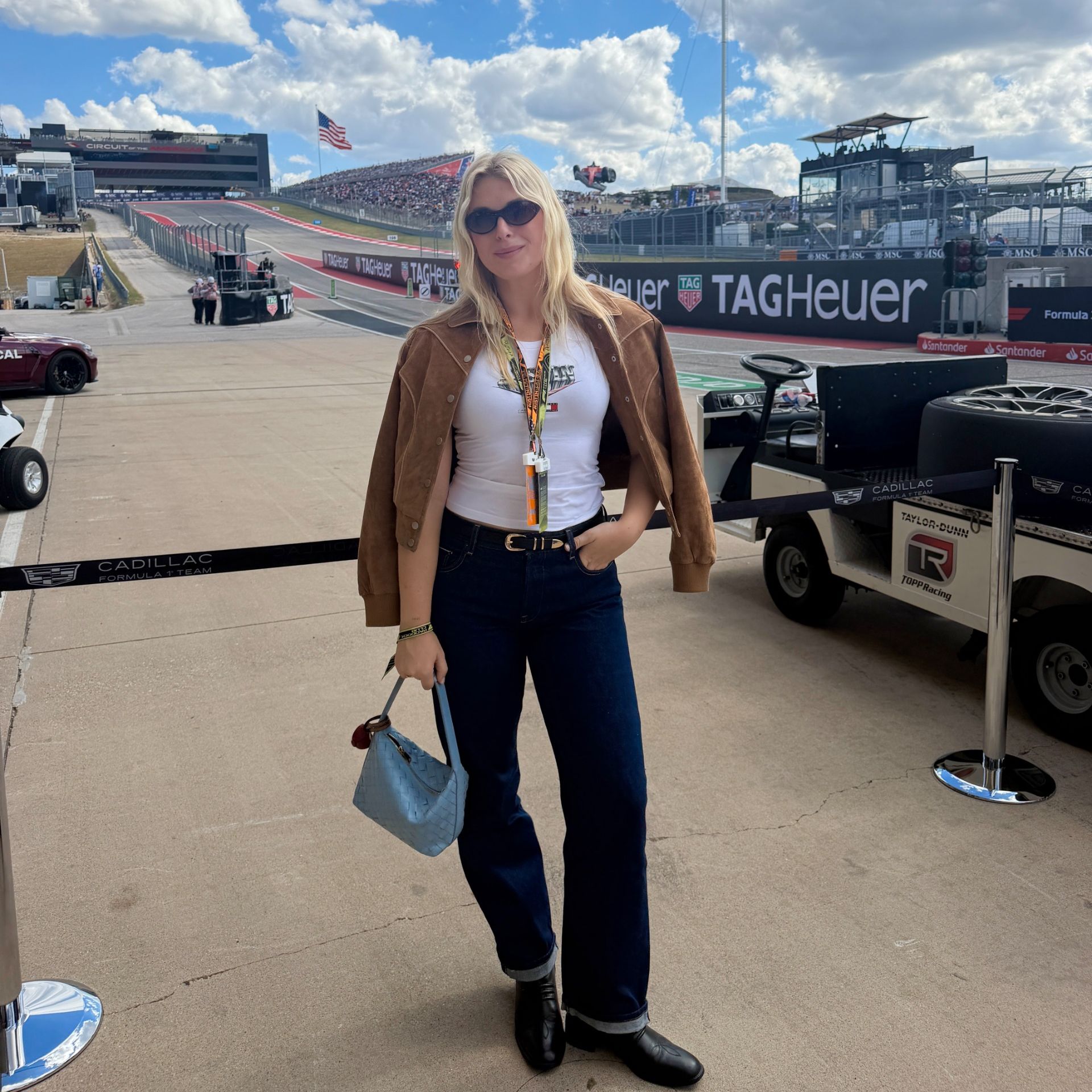
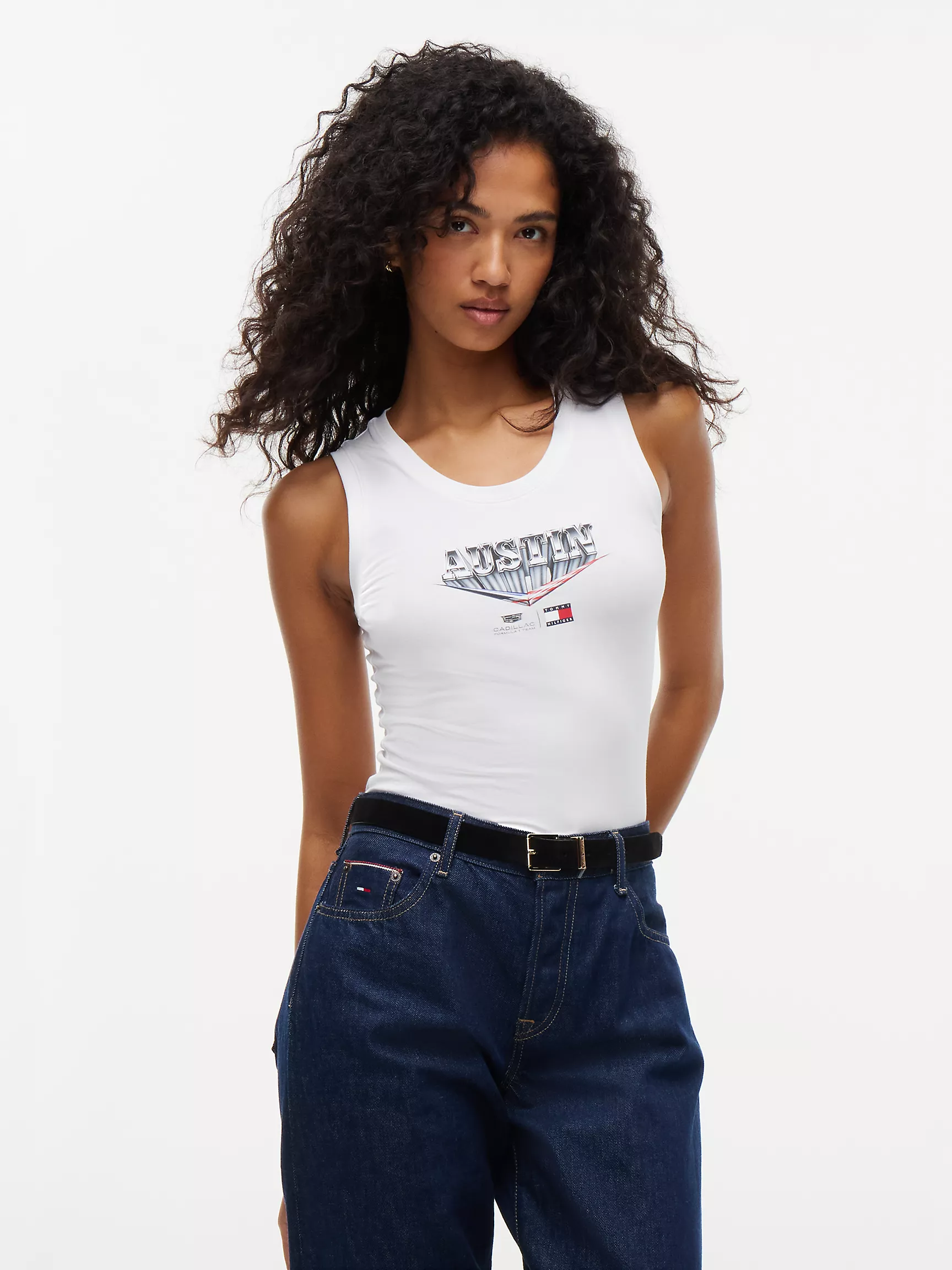
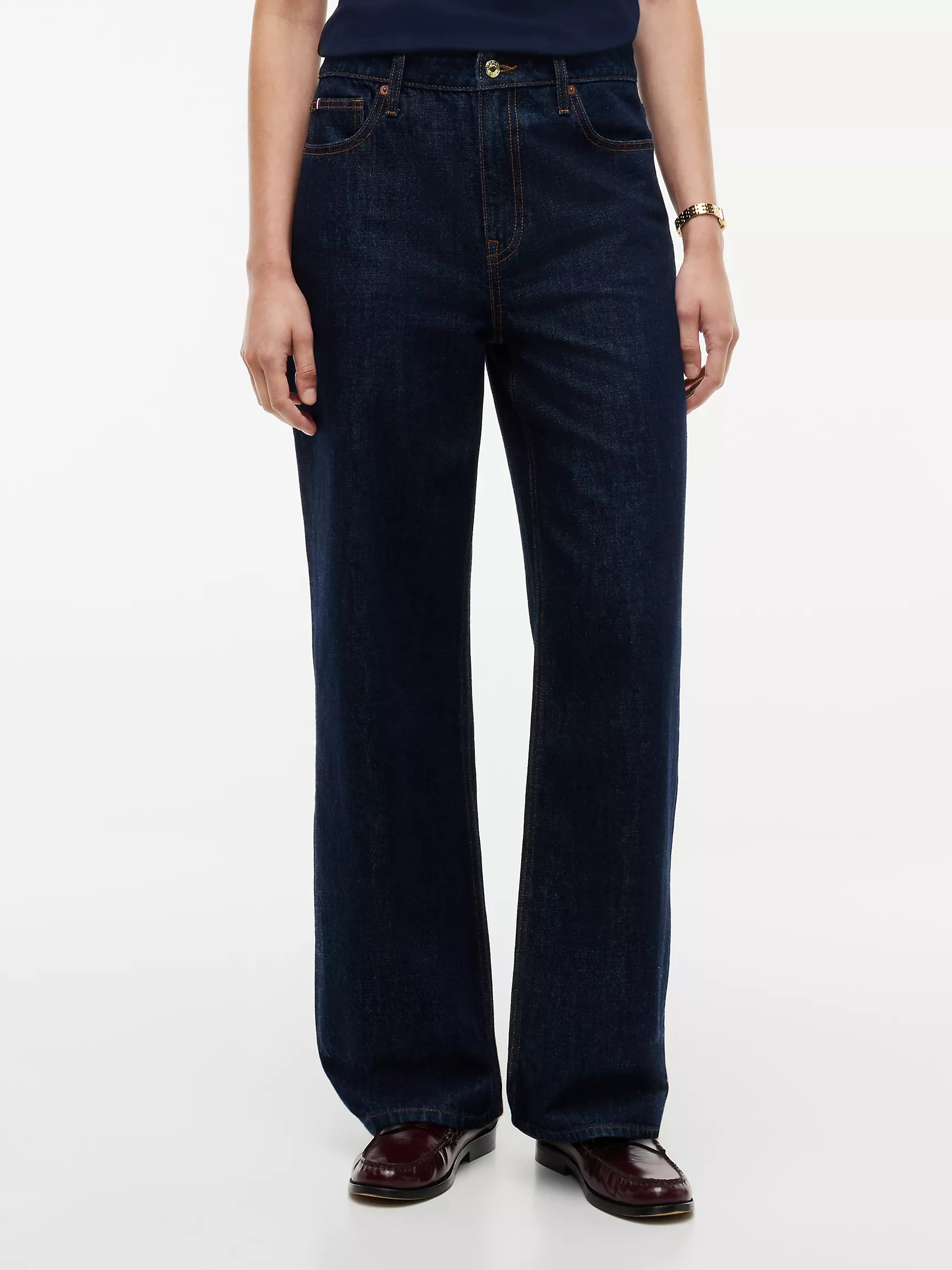
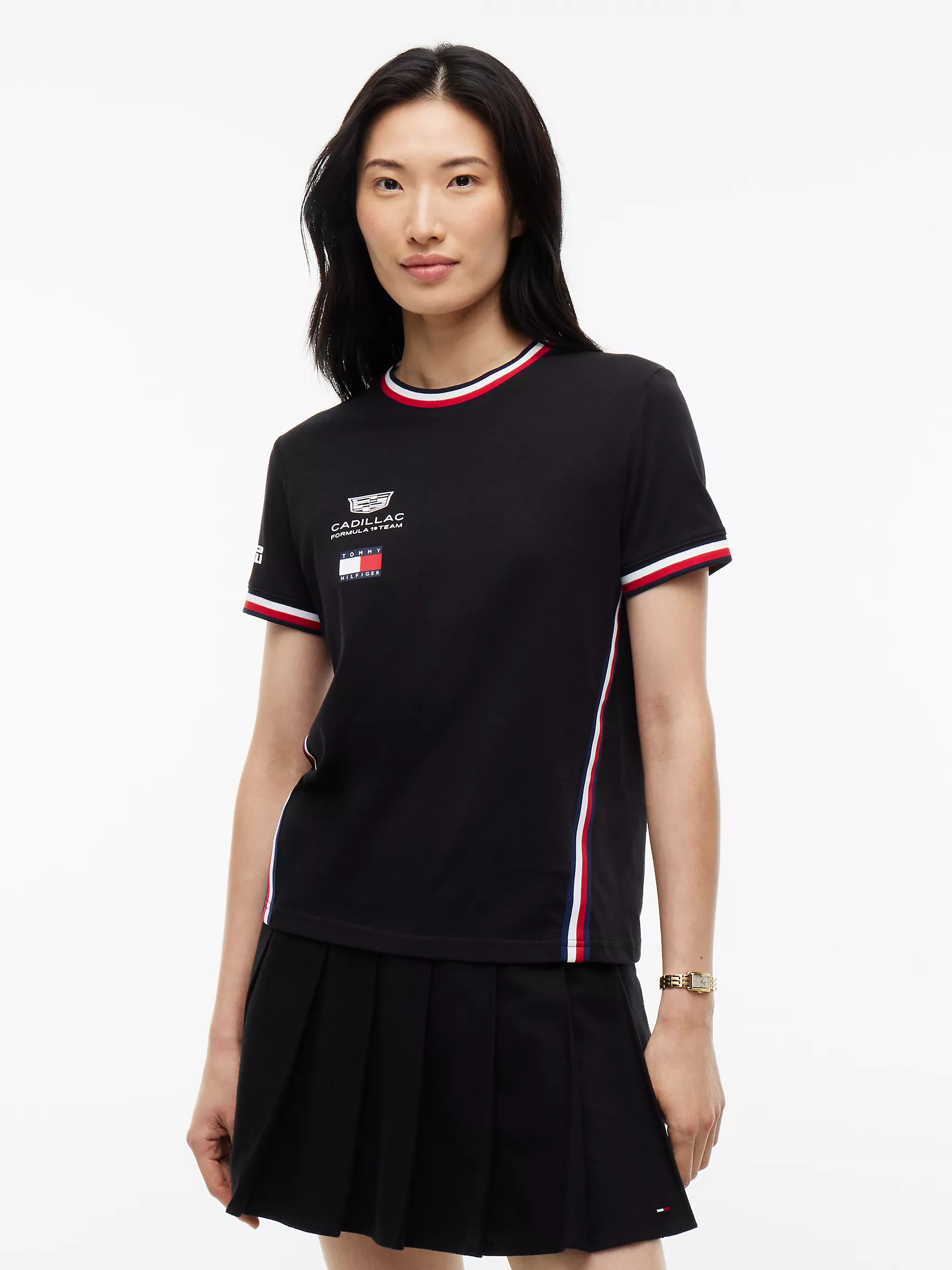
10 a.m.: Back at the hotel, I selected my outfit for the day. The obvious choice was the Tommy x Cadillac F1® Team Austin Tank Top ($40) paired with dark-wash Tommy jeans, my black boots, and a suede jacket I took off the second I steppedinto that late-October Texas heat.
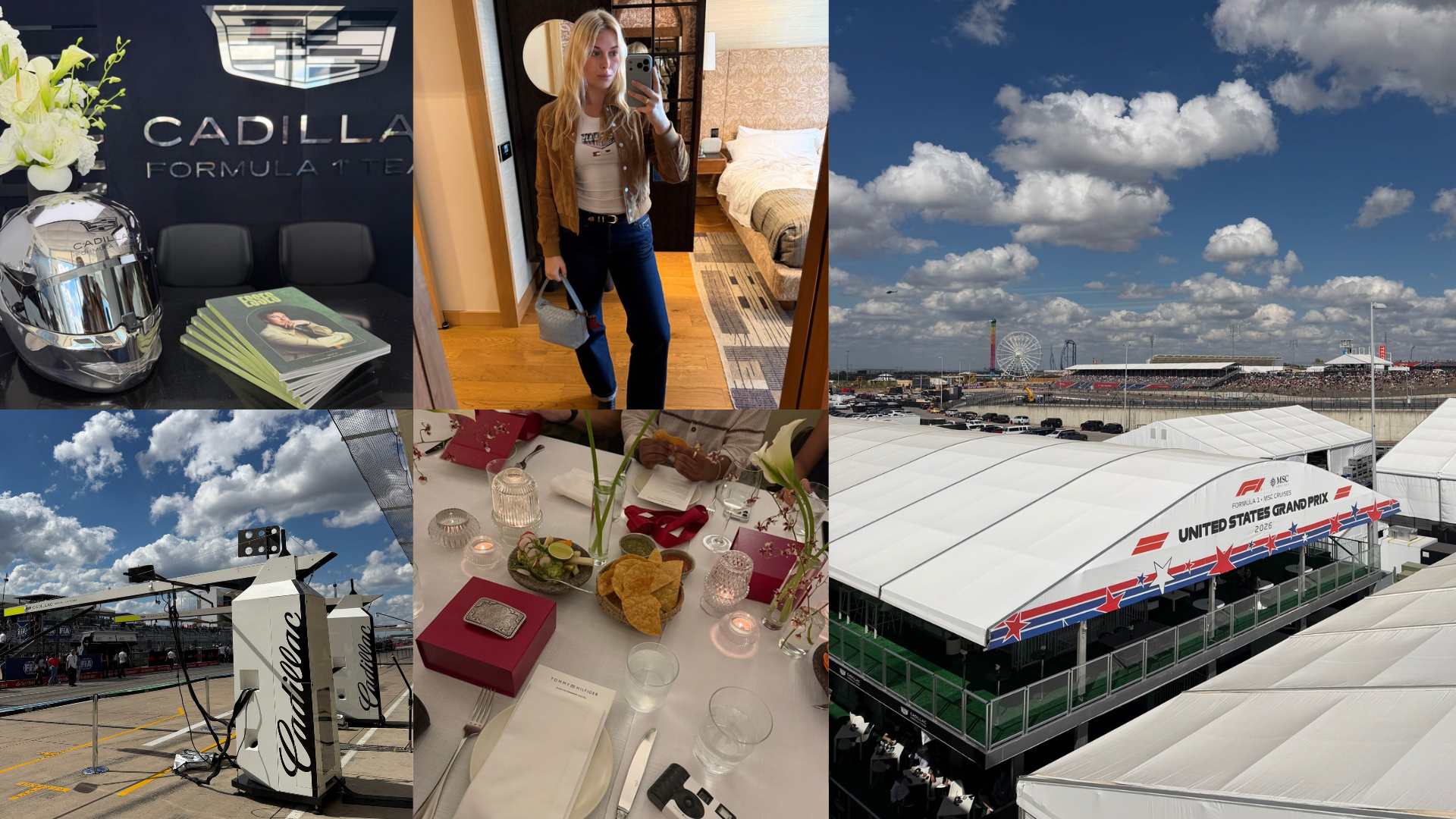
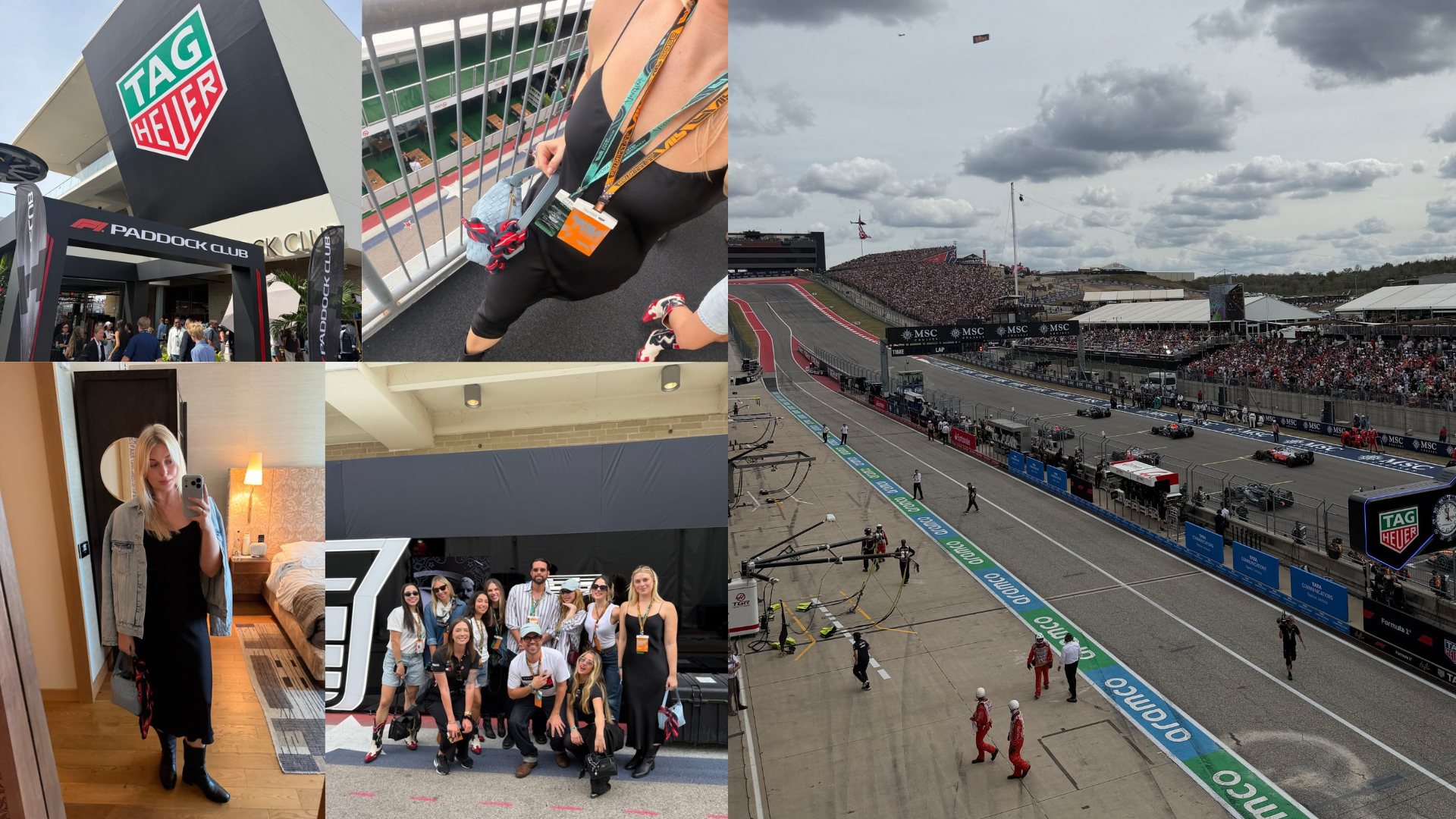
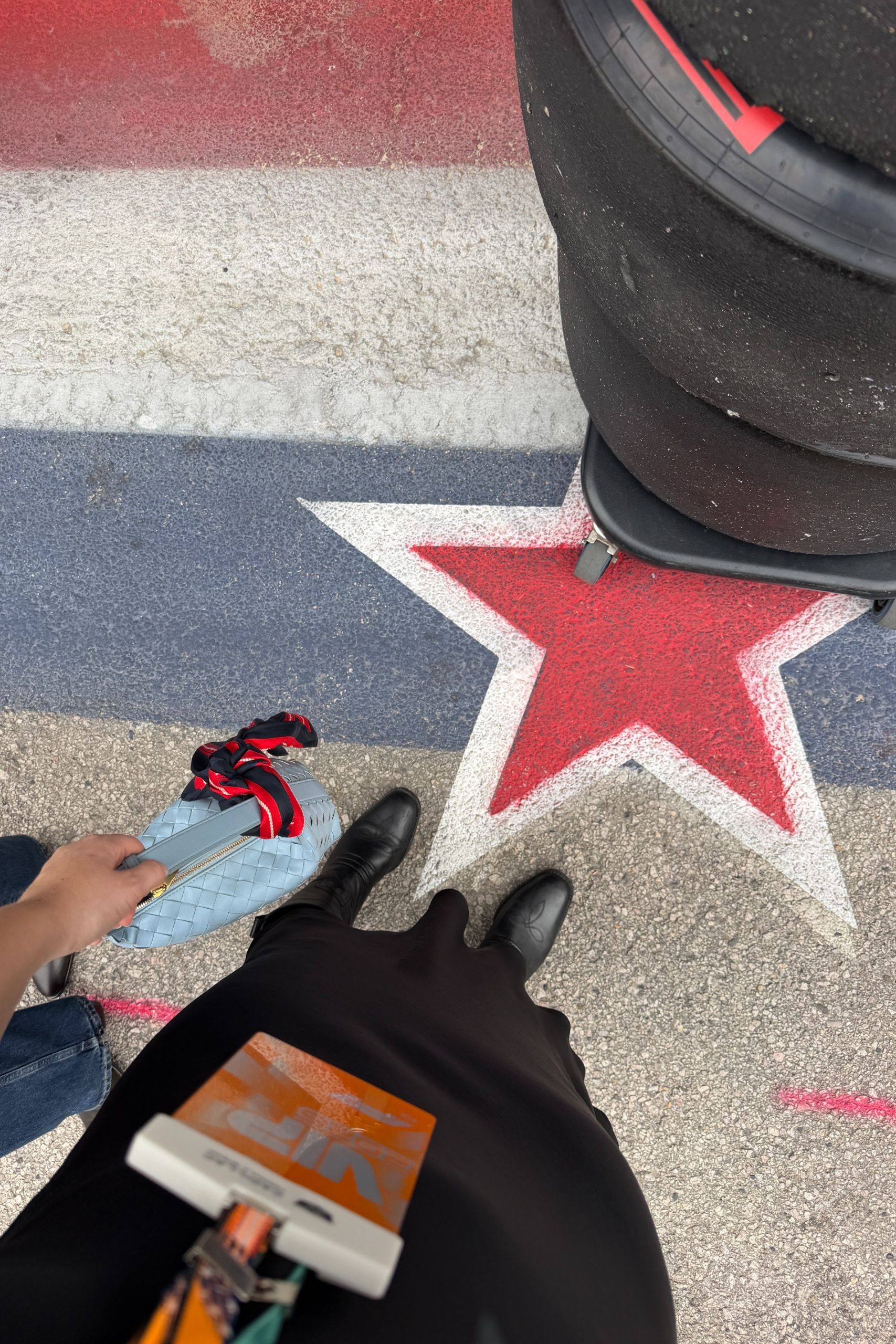
12 p.m.: We arrived at COTA, where I was immediately taken aback by the size of the track. There's an American flag the size of a football field, a full-blown amusement park, and guests flying through the sky in gondolas that transport them between the new trackside clubhouse above Turn 1 and the paddock area. For the international guests visiting COTA, there's no denying it: you're in America now, baby.
2 p.m.: When our group arrived at the Cadillac F1 Paddock Club, we were greeted with cold beverages and crisp air conditioning. We then headed down to the pit garage to learn how mechanics, engineers, and technicians make changes to the Formula 1 cars in real time.
4 p.m.: It was time for Qualifying, so we took our seats outside and watched as the drivers pulled out of the pits. At Q1, all drivers and teams took to the track. Six drivers were then eliminated. The process repeated for Q2. Then at Q3, the final ten drivers competed for the top grid posts. The driver with the fastest single lap time gets on pole position for race day—in this case it was Kimi Antonelli, the 20-year-old Mercedes driver from Italy.
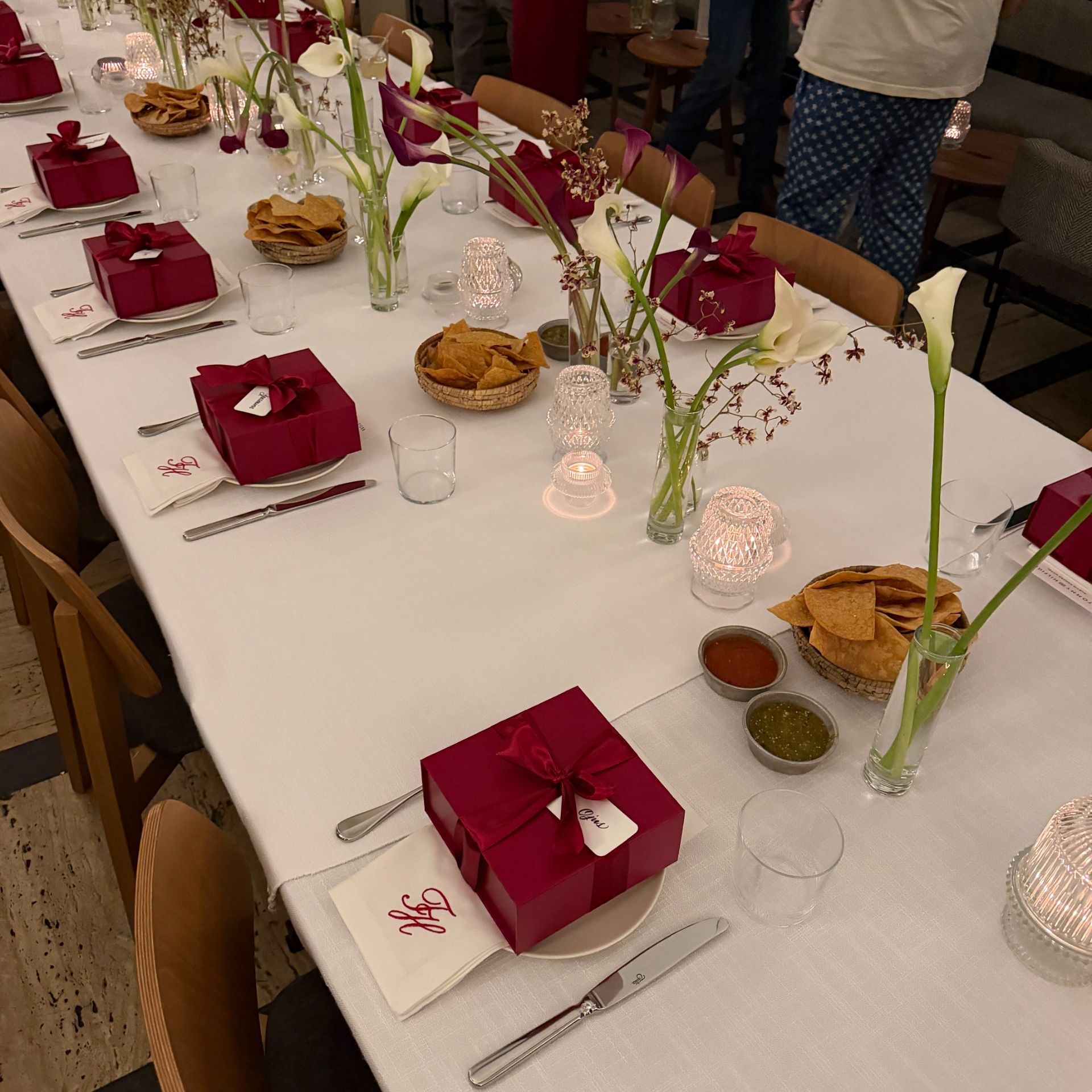
8 p.m.: The day didn't end at the track, of course. Tommy Hilfiger brought together a table full of editors, creatives, and creators at the Proper's La Piscina for a debrief of the events (and some really excellent fajitas). In this moment, it was hard to imagine how day three could top day two.
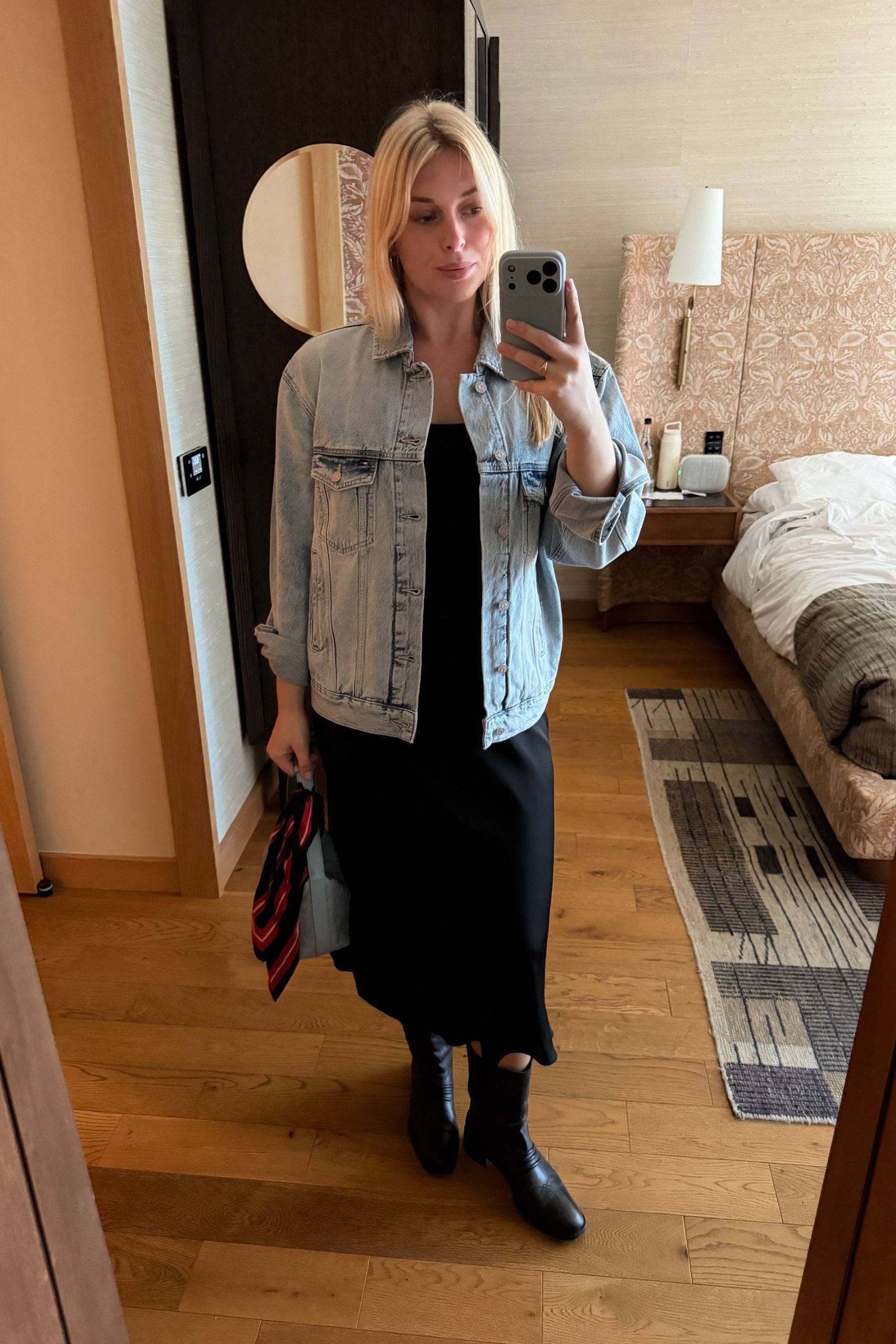
9 a.m.: After a jam-packed Saturday, my grand plans of waking up early for a walk along the Colorado River were foiled by the sheer coziness of the Proper's king bed. I reluctantly peeled myself out of the sheets to select my race-day look. I went with a black slip dress, black western boots, and my personalized Tommy x Cadillac F1® Team denim jacket.
10:45 a.m.: With a police escort that made me feel cooler than it should've, we headed back to COTA. The denim jacket was the perfect choice because the Cadillac Paddock Club set up a station to add custom embroidery and patches. It's always a favorite and thoughtful activation at an event.
The next few hours were dedicated to ceremonial race day traditions. We headed downstairs for a walk through the pit lane, watched Train perform "Drops of Jupiter," and witnessed the Grid Walk that takes place 30 minutes before the start of the race. One of the highlights of the day was getting to see the drivers hop on their kick scooters right below us. It reminded me of New York mornings full of elementary school kids scootering their way to class, except here, my view was of the world's most esteemed athletes getting ready to race in front of an international audience. But if anyone can make it look cool, it's Lewis Hamilton.
3 p.m.: The race began with Kimi Antonelli on pole position. However, our eyes were on Cadillac drivers Valterri Bottas and Checo Pérez. The second the drivers started their engines, I understood why earplugs were included in our gift bags. Within seconds, they took off towards Turn 1 and all that was left was the safety car following quickly behind.
4:30 p.m.: We were escorted down to the team garage to be fully immersed in the action. We got an inside look at the nerve center of the operation, where the team studies the screens, analyzes the data, and prepares for potential pit stops.
11 p.m.: After one last sparkling water with lime and big thank yous to the incredible Tommy Hilfiger team, I was off to pack to catch my 6 a.m. flight back to New York City.
Shop the Tommy X Cadillac F1® Team Collection
Tommy Hilfiger
Tommy x Cadillac F1® Team Austin Tank Top
Tommy Hilfiger
High-Rise Modern Wide Leg Jean
Tommy Hilfiger
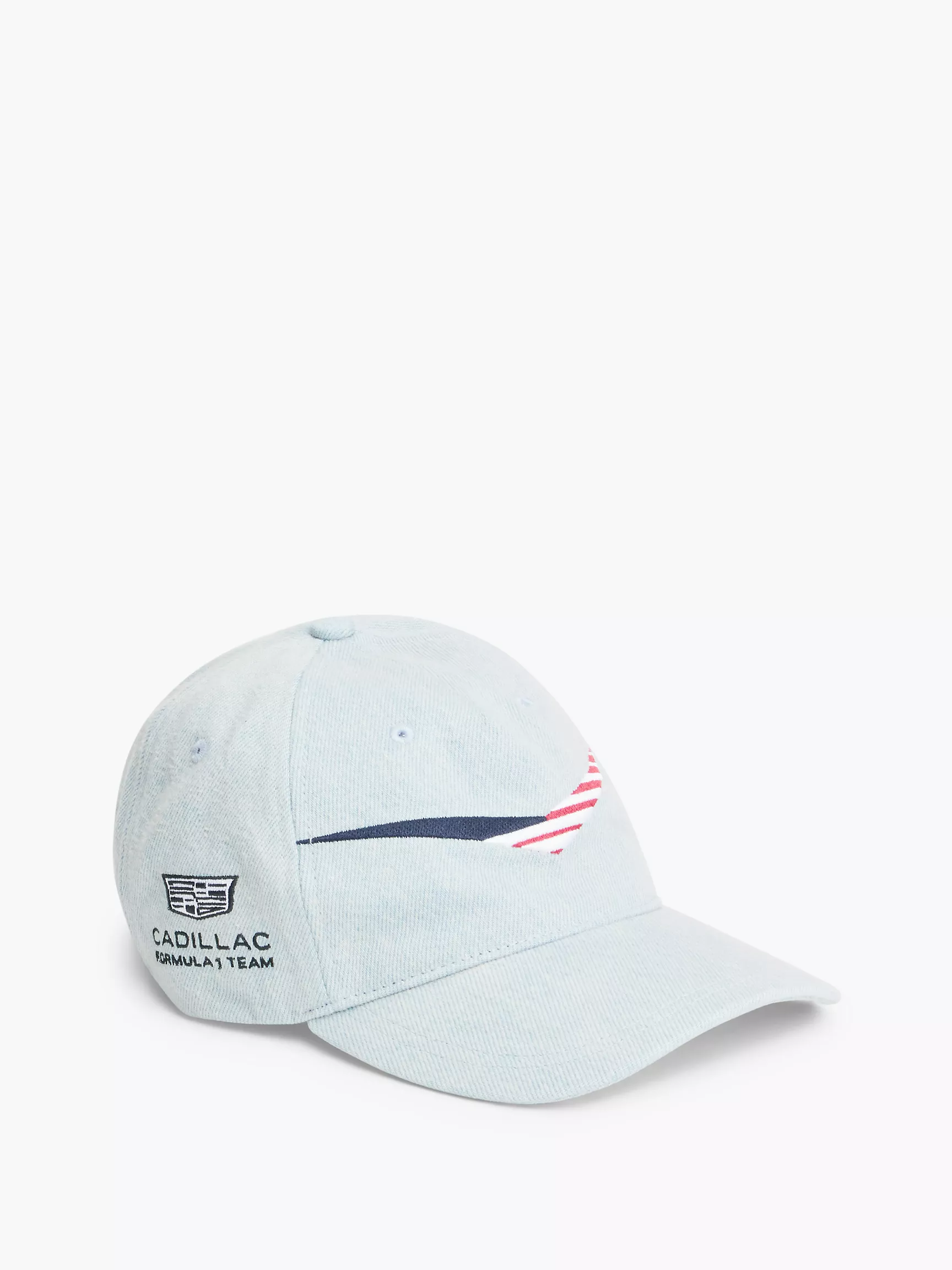
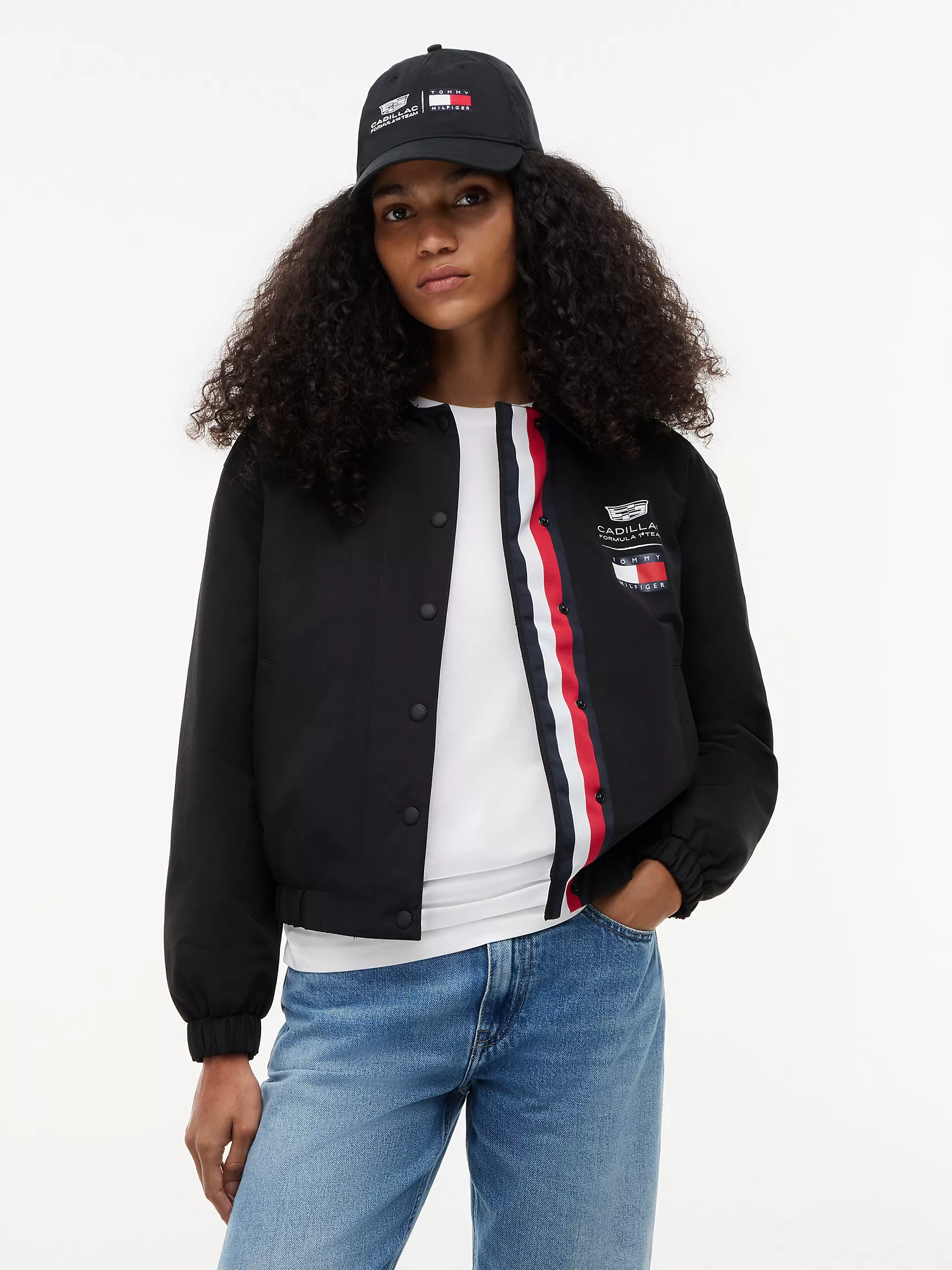
Tommy x Cadillac F1® Team Austin Cap
Tommy Hilfiger
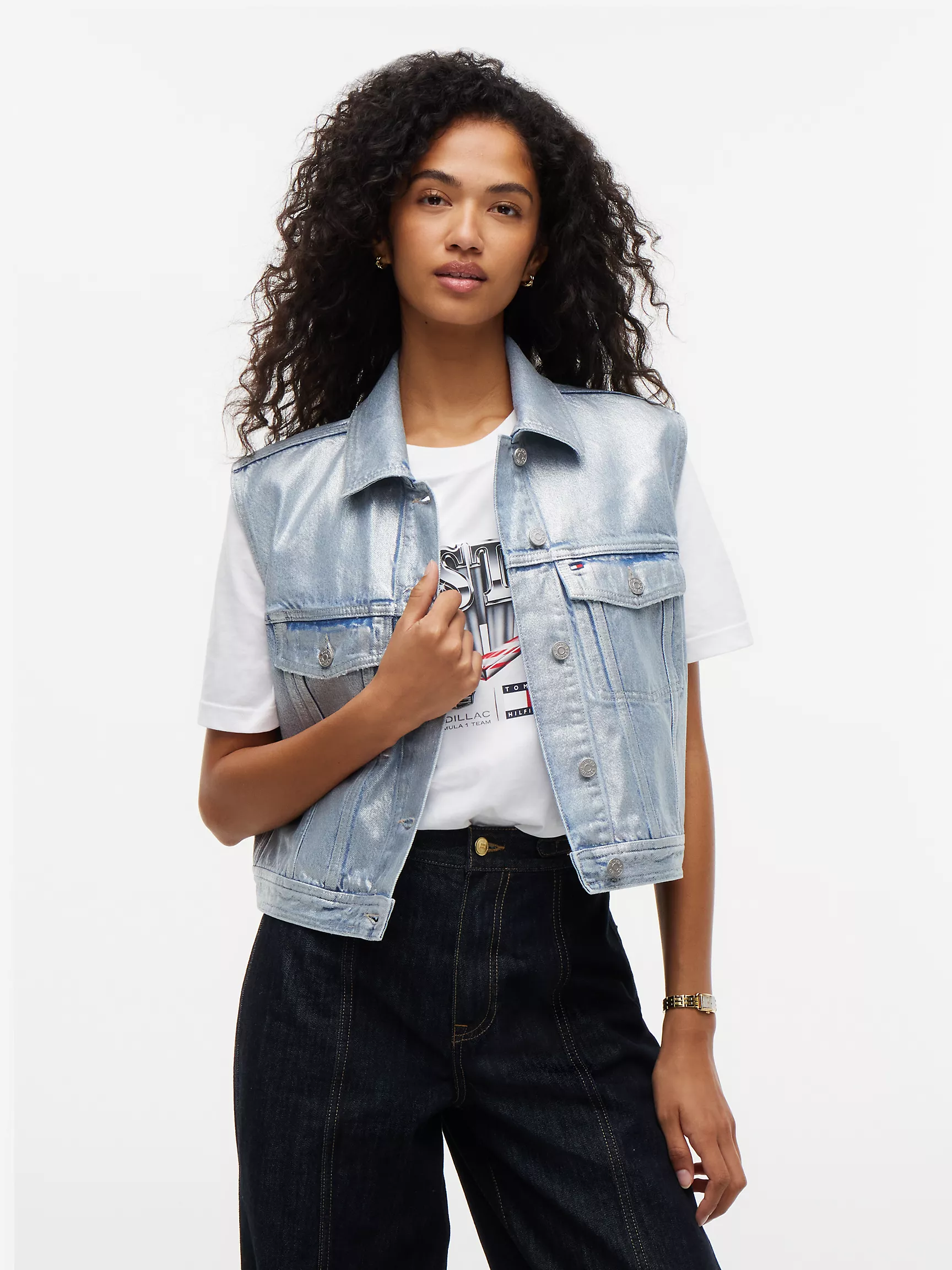
Tommy x Cadillac F1® Team Austin Denim Vest
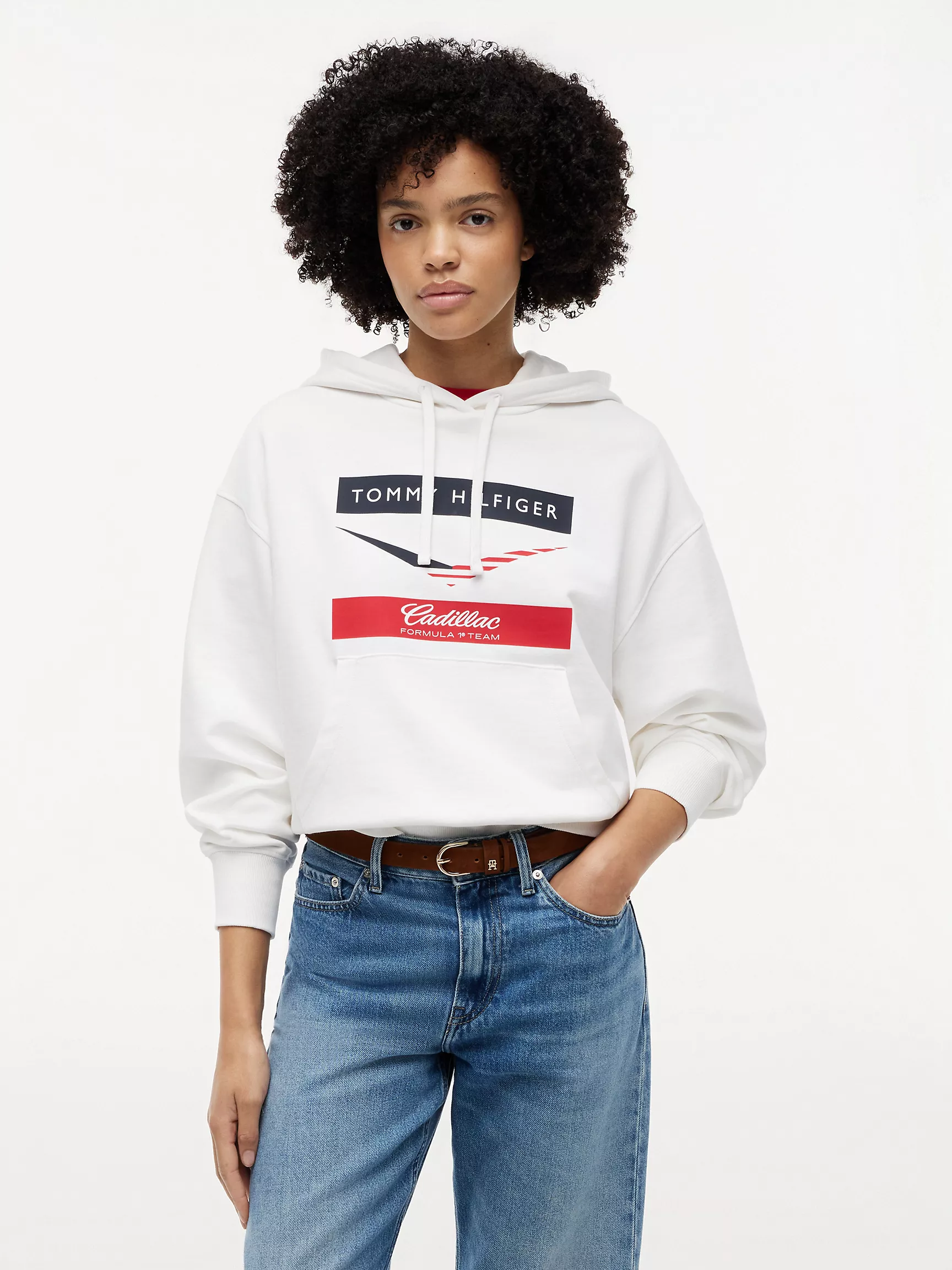
Tommy x Cadillac F1® Team Chevron Hoodie
Tommy Hilfiger
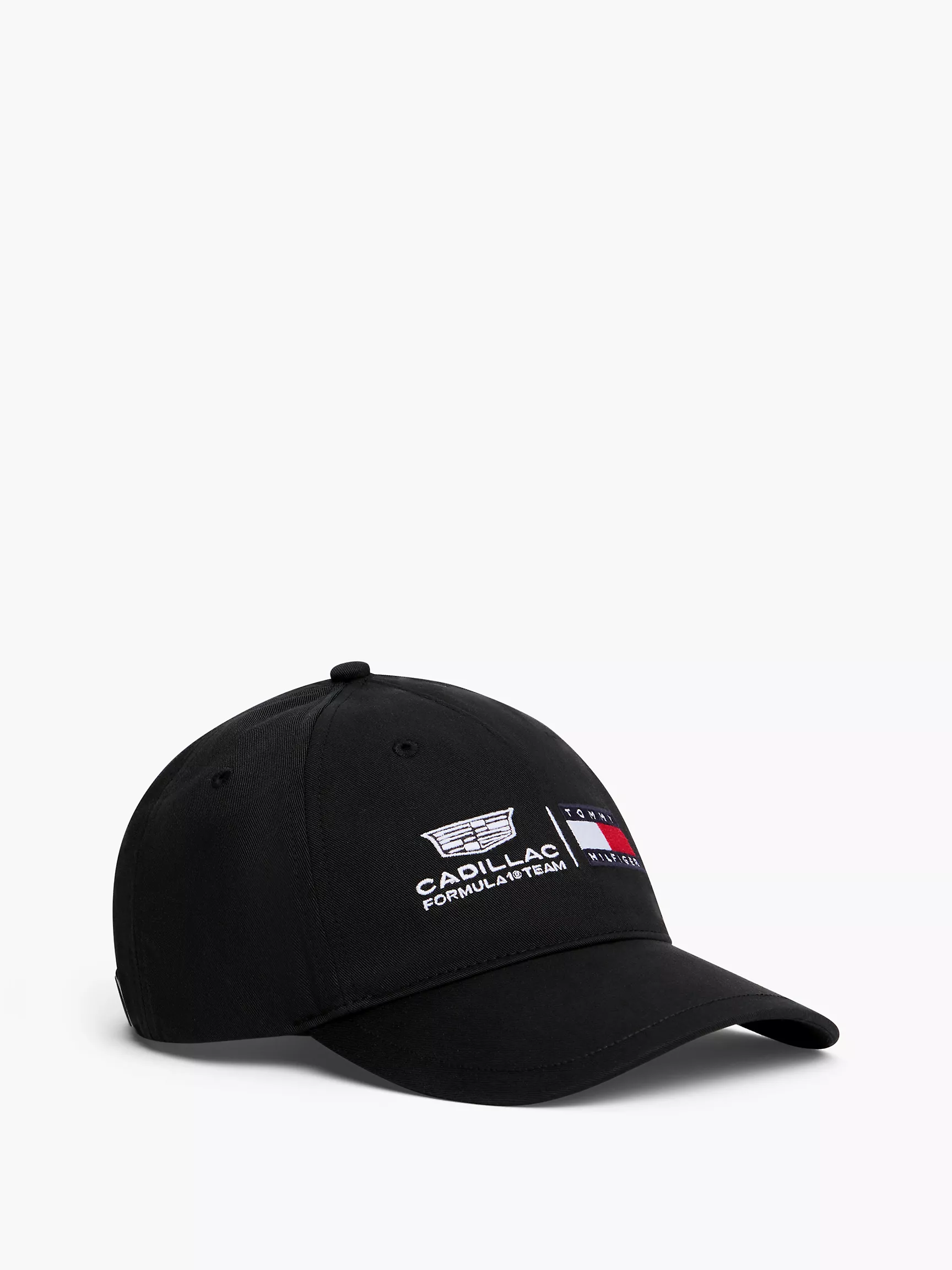
Tommy x Cadillac F1® Team Dual-Logo Cap
Tommy Hilfiger
Tommy x Cadillac F1® Team Coach Jacket
Tommy Hilfiger
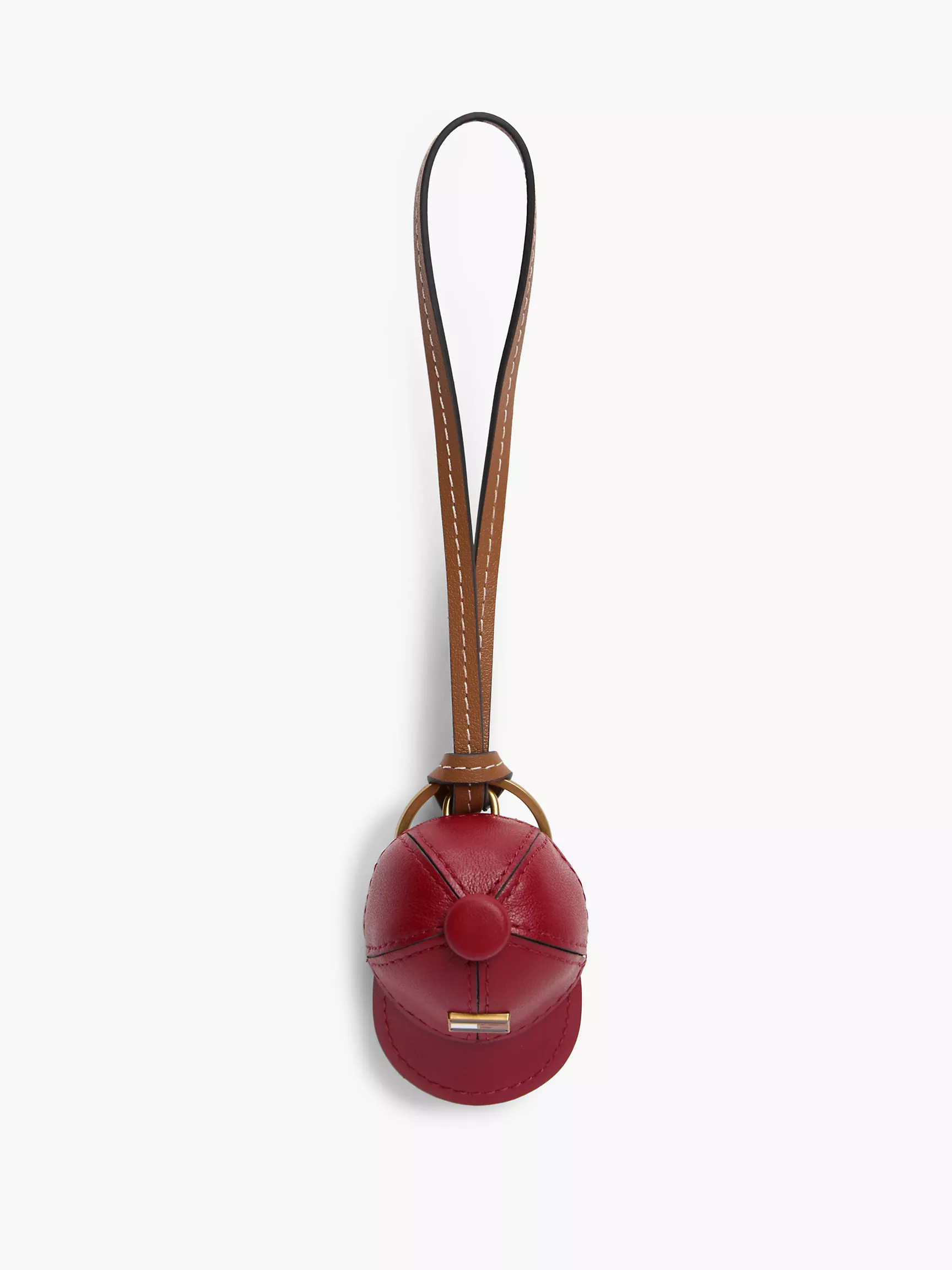
Leather Mini Baseball Cap Bag Charm
Tommy Hilfiger
Tommy x Cadillac F1® Team Striped Replica T-Shirt
from Latest from Who What Wear https://ift.tt/Vzcd6A5
Welcome to Retail Therapy—Who What Wear Shopping Director Bobby Schuessler's digest of everything that matters in shopping. He spends his days uncovering special gems to elevate a wardrobe, and it's all curated right here for you, dear readers. Think of Bobby as your personal shopper, and this is the exclusive list of items that get a yes from him, period.
Let's get shopping, everyone. For this curation, I turned my focus to Free People's gorgeous fall-and-winter lineup. As a longtime wearer who already owns many of the brand's jeans, knits, and jackets (FYI, that's me above in a stunning Free People trench), I wanted to share the current standouts alongside the best finds in outerwear, tees, dresses, and boots. Read on for my full edit. I'm sure you'll find one (or several!) new seasonal staples. Enjoy! Xx
Free People
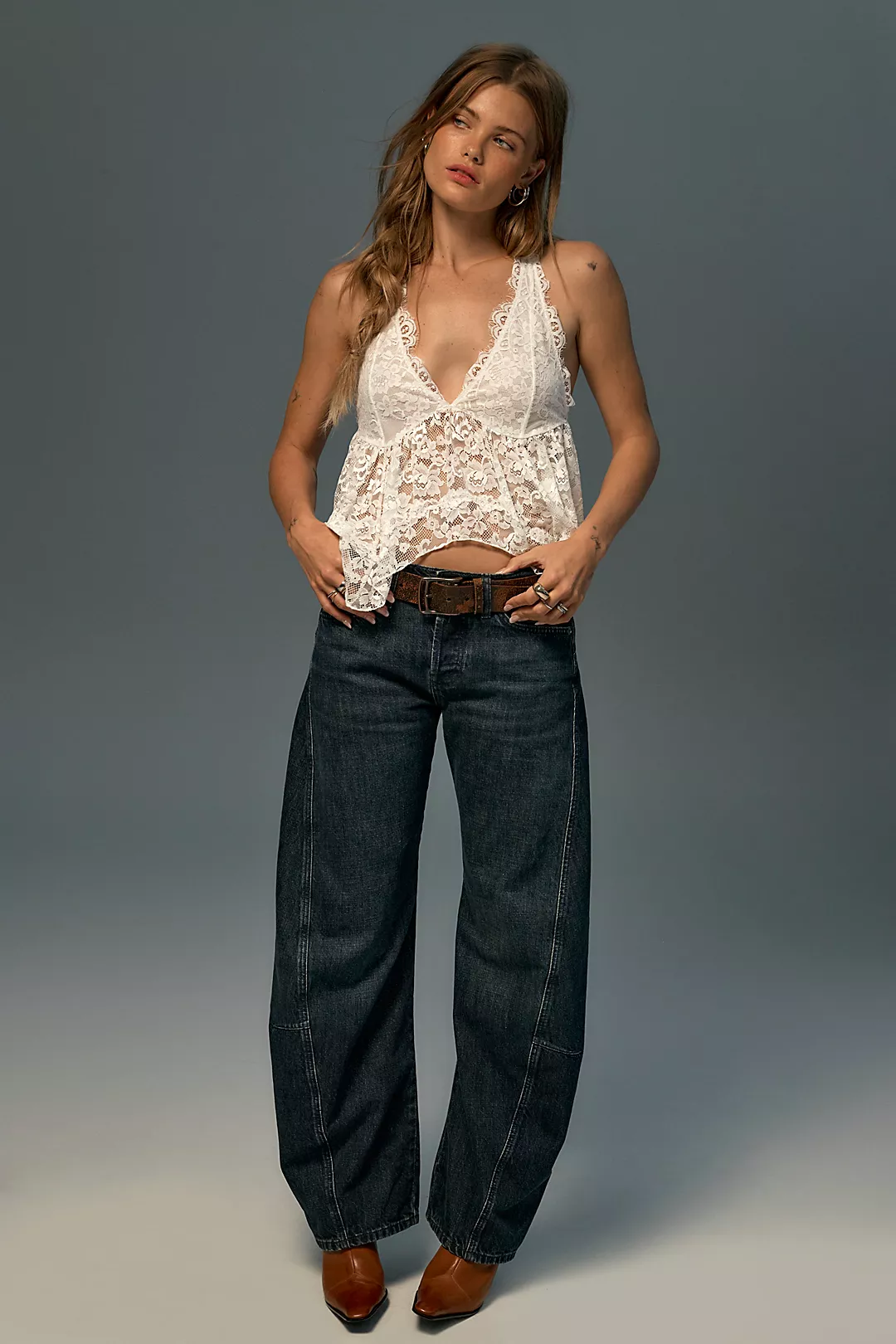
We the Free Fable Low-Rise Twisted Bowed Jeans
I own a few of the We the Free barrel-leg jeans, and I'm eager to try these twisted bowed jeans that are cool and fresh for the season. I'd style them with a long-sleeve white tee, a sweater around the shoulders, and mules.
Free People
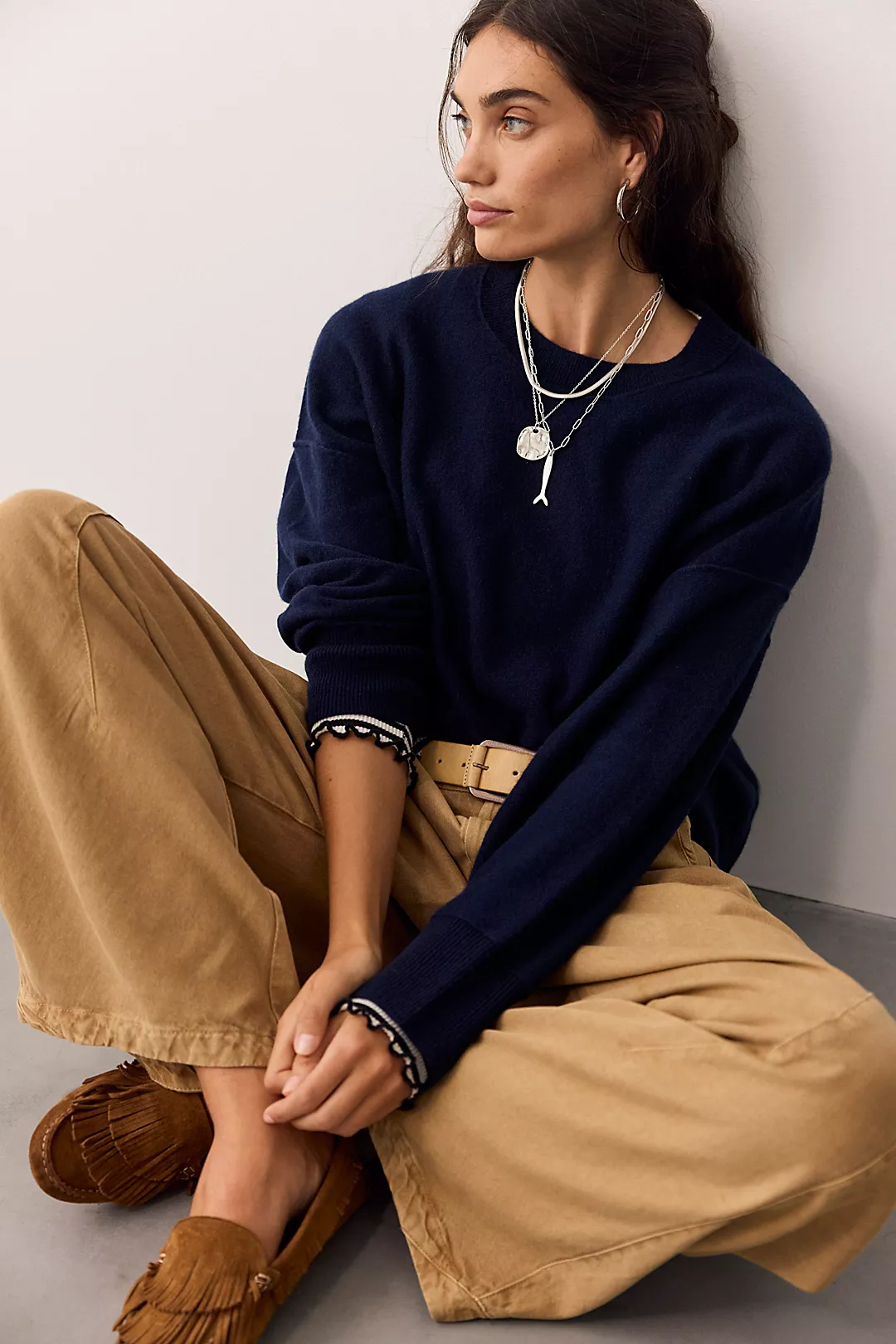
Solstice Cashmere Pullover
Yes, this cashmere sweater is dreamy. Yes, I know because I have it in my closet. I'm really feeling navy this season, especially styled with purple or yellow.
Free People
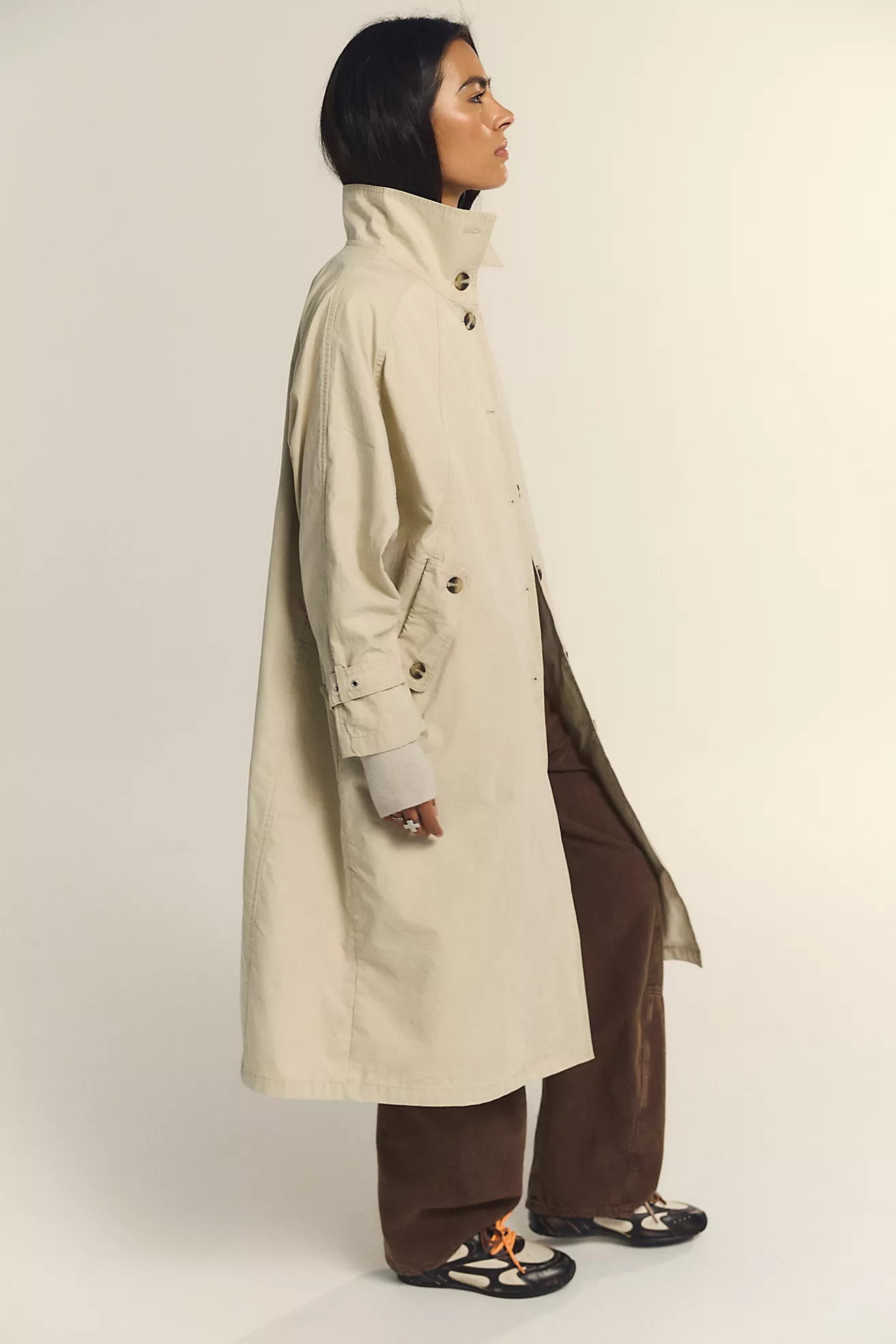
We the Free Drop Down Washed Funnel-Neck Trench
Toss this funnel-neck trench over literally any outfit, and you've created a directional silhouette that reads "cool fashion person." Basically, any high-neck jacket is It for the season.
Free People
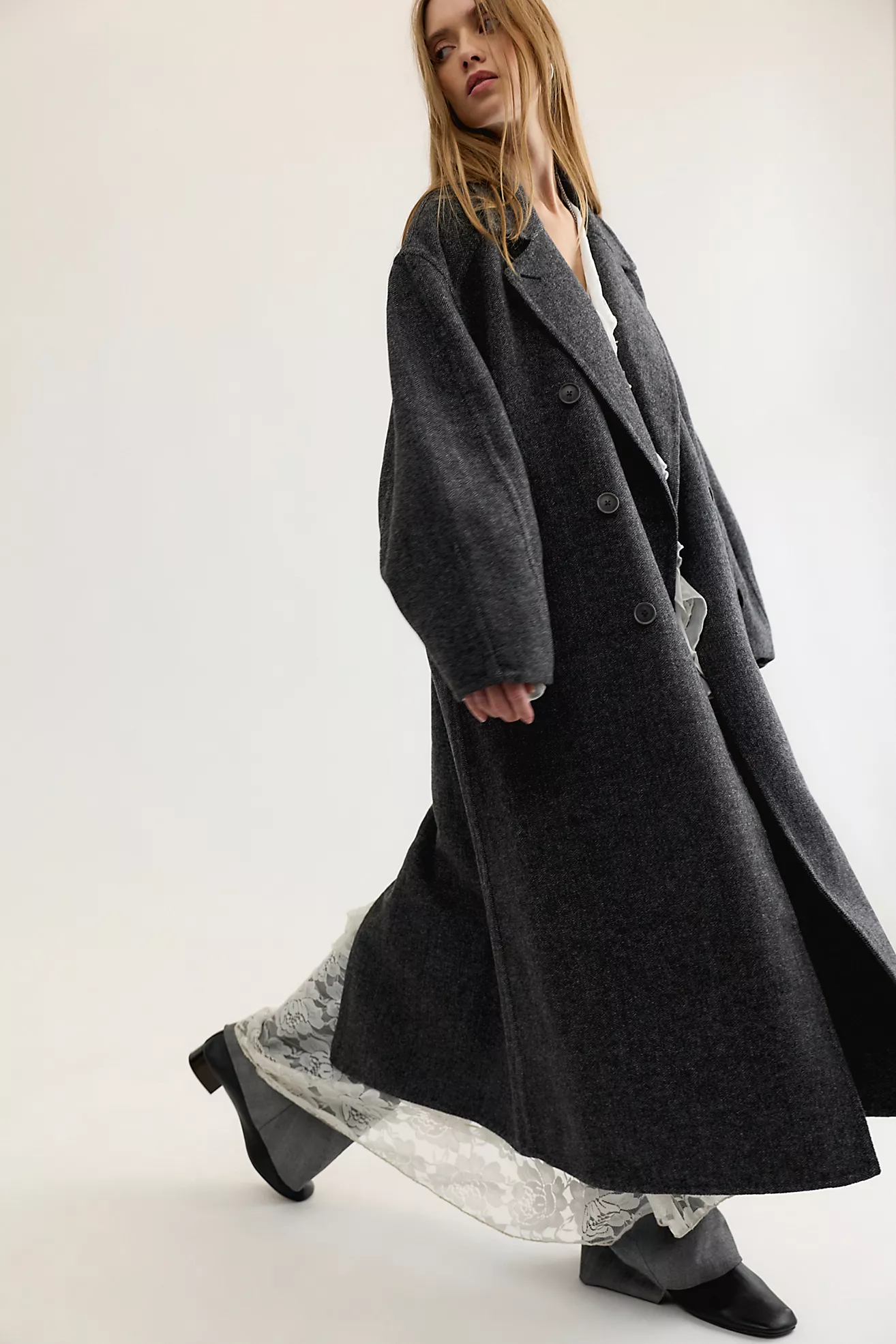
Libra Wool-Blend Coat
Free People's heavier coats are also fan favorites, and this longline style caught my eye first. Similarly to the trench above, it will make an entire outfit.
Free People
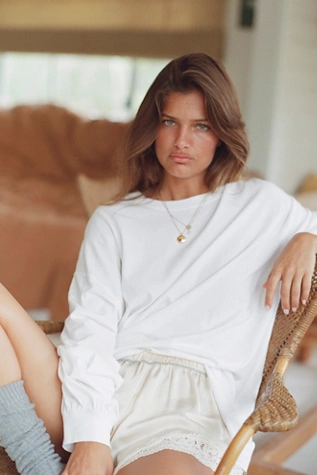
We the Free Perfect Oversized Long Sleeve Top
I am actually living in long-sleeve tees right now, and the name of this one says it all—perfect. I know you'll wear it all the time.
Free People
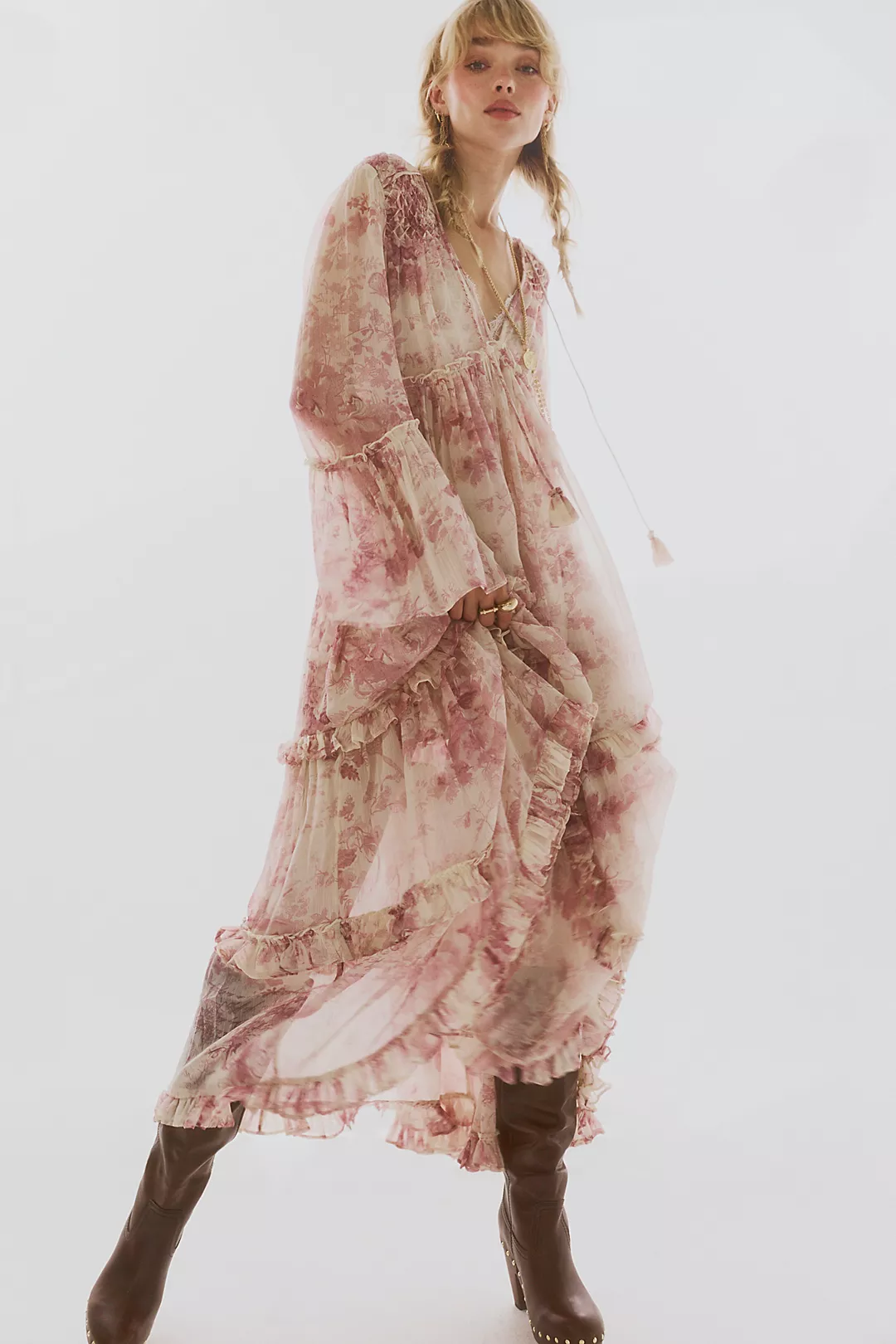
Weeping Willows Maxi Dress
Looking for a gorgeous dress for events or to simply wear with your favorite jacket? Look no further. The print here is breathtaking.
Free People
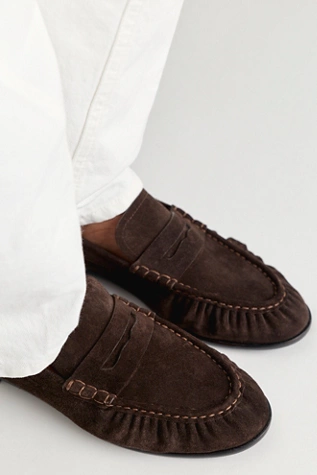
Carry on Loafers
Loafers are my jam—bonus points for the ruched detail. This chocolate-brown pair looks far more expensive than it is.
Free People
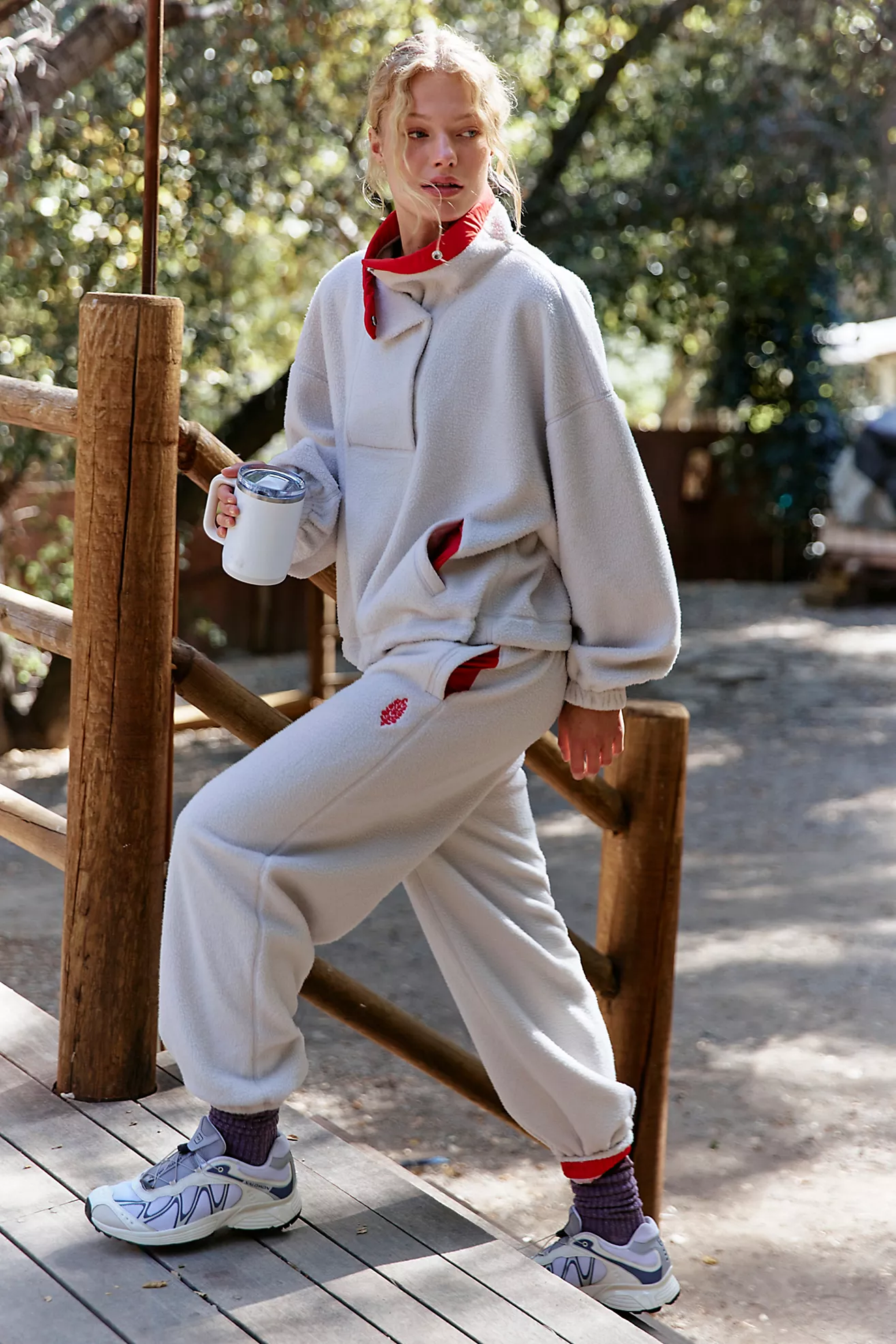
Chill Thrill Fleece Set
Do not sleep on the FP Movement range. You'll uncover everything you need—fashionable sets, leggings, bras, tanks, and so on.
Free People
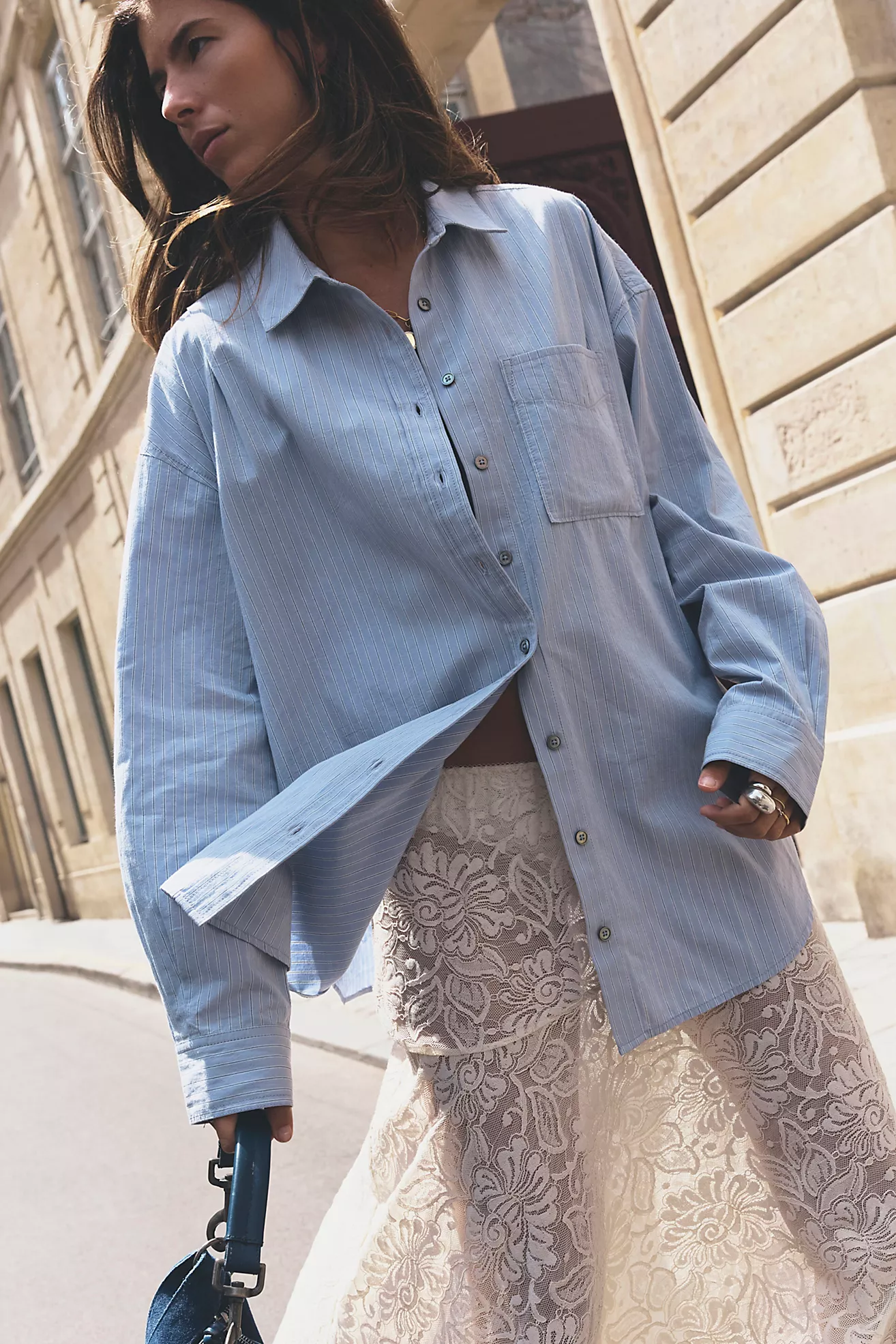
We the Free Lexi Striped Button Down Shirt
I have my eye on this striped button-down shirt. There are actually buttons on the side as well to play with the shape.
Free People
We the Free Parker Suede Tote
There are so many fun accessories at Free People at the moment, including this stunning tote.
from Latest from Who What Wear https://ift.tt/SY02uMa
One of my favorite parts about being a beauty editor is being an observer of the way trends come and go throughout the year. Whether it's hair color, makeup, or nails, I'm always on the hunt for the next big thing. When it comes to nails specifically, I'm very picky about making final calls on the trends that we've moved on from and the ones that are incoming, especially as the seasons change.
Of course, it always helps to speak with beauty experts to get their insights as well, which is why I decided to chat with three leading nail artists to figure out exactly what nail trends people are leaving behind as we continue through fall. “I think one of the biggest shifts in nail trends this season is toward more natural, wearable manicures or clean, well-defined shapes with an emphasis on proper nail architecture,” says nail educator and founder of Vikki Swan Nail Academy, Vikki Swan. “Creative nail art remains popular, but I’m noticing a growing preference for more refined and practical looks.”
If you're wondering which five once-popular nail styles are staying in summer, keep reading for all the details. Spoiler: Prepare for some hot takes from our pros.
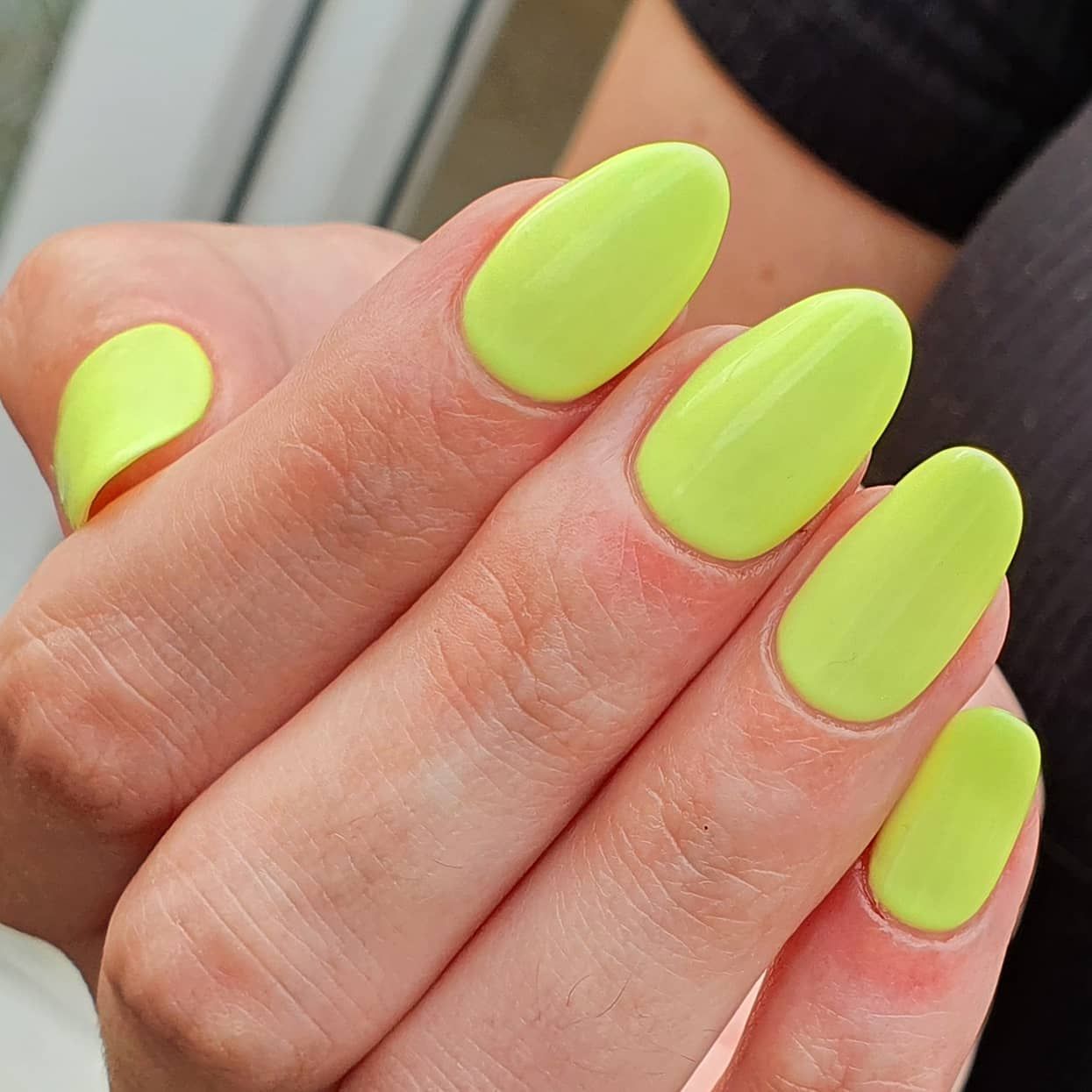
1. Neon Anything
(Image credit: nailsbyaimeegc)
Neon was in for summer, but as the weather cools down, people are turning to more sophisticated seasonal shades. "Neons can be fabulous in the right setting, but those fluorescent summer shades feel rather out of place for autumn," says nail artist and founder and creative director of Exclusive Nail Couture, Max Estrada. "I'm seeing a shift toward richer colors such as deep plum, black cherry, espresso, jewel tones, and sumptuous cat-eye effects."
Nail artist and founder of Prosto Nails & Co, Kateryna Tsabilieva agrees. "These shades still feel closely tied to vacation manicures," she says. "For a bold fall look, I would choose blackberry or inky blue, which offer intensity with more depth." If you really love neon, she recommends using it as an accent over a sheer base to give it a fresh direction.
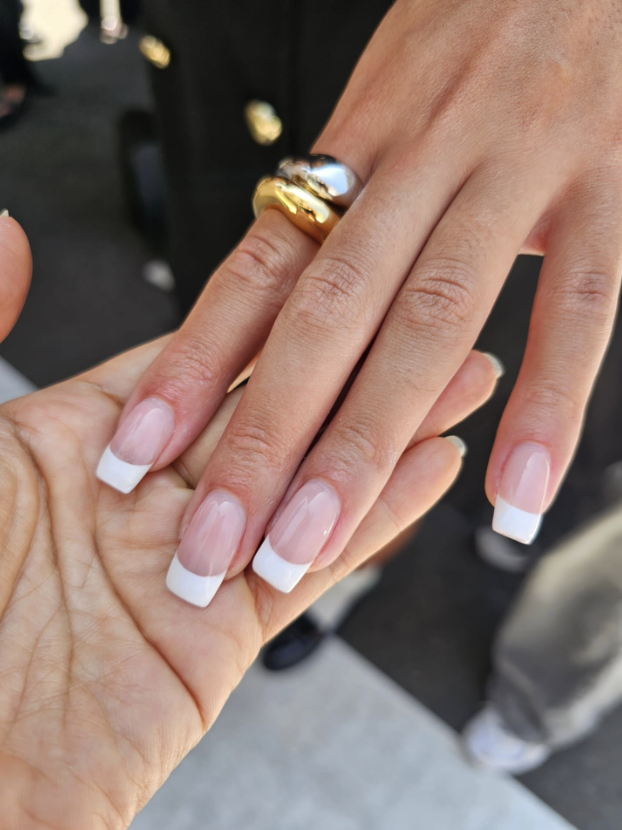
2. Thick French Tips
(Image credit: chuenails)
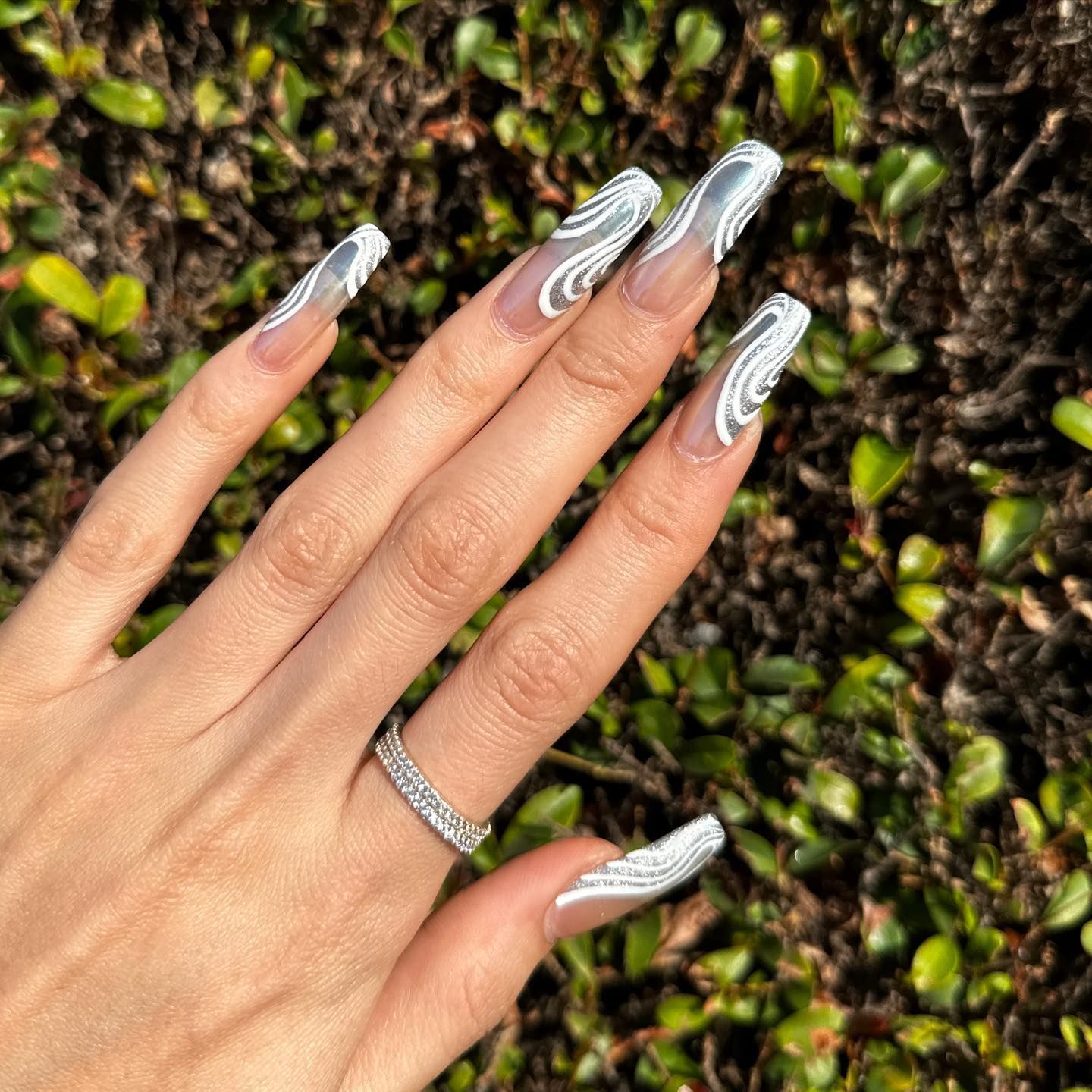
In case you missed it, thick French tips were very much around this summer, but nail artists are already noticing a sharp decline in requests for it. "French manicures are timeless, but thick, oversized white tips are becoming less popular," says Swan. "Instead, we’re seeing more natural-looking French manicures, especially micro-French tips with thin, delicate lines." She's also notes that structured french manis on square nails can also create an elegant look white emphasizing the shape of the nails.
"When a white tip takes up too much of a short nail, it can make the nail bed appear even shorter," adds Tsabilieva. "I would opt for a finer line or try an espresso tip for a seasonal update. The width should complement the individual nail rather than follow the same formula on every hand."
3. Chunky Glitter
(Image credit: kreativelykoated)
Glitter nails were popping off this past summer, and since then shimmer and chrome has taken over. "Large glitter particles covering the entire nail seem to be becoming less popular," says Swan. "Instead, finer shimmer, delicate reflective effects, and subtle metallic finishes offer a more refined way to add shine." She notes that reflective shades are especially popular right now, because of the way they catch the light, making it a sophisticated alternative to chunky glitter.
4. Dramatic Nail Shapes
(Image credit: _tinascorner)
Warmer months give room for experimenting with shapes, patterns, and colors, which is why Swan believes we'll be seeing less length this fall. "While extra-long nails and [thickness] are still around, more people are choosing natural-looking nails or structured shapes with balanced proportions," she says. "Thin, lightweight yet strong nails are much more comfortable for everyday life and becoming increasingly popular."
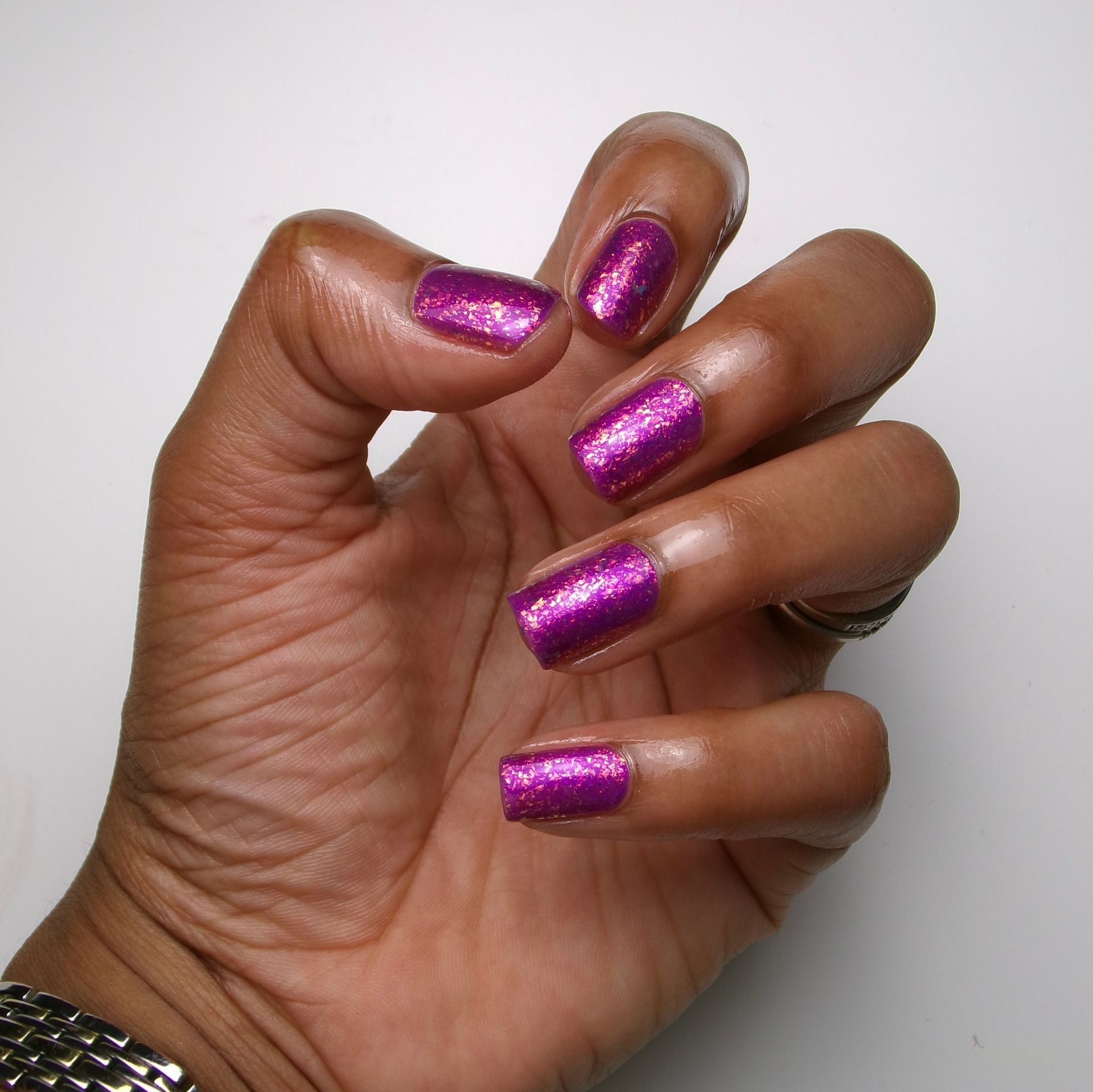
5. Pearlescent Chrome
(Image credit: paintbyjaz)
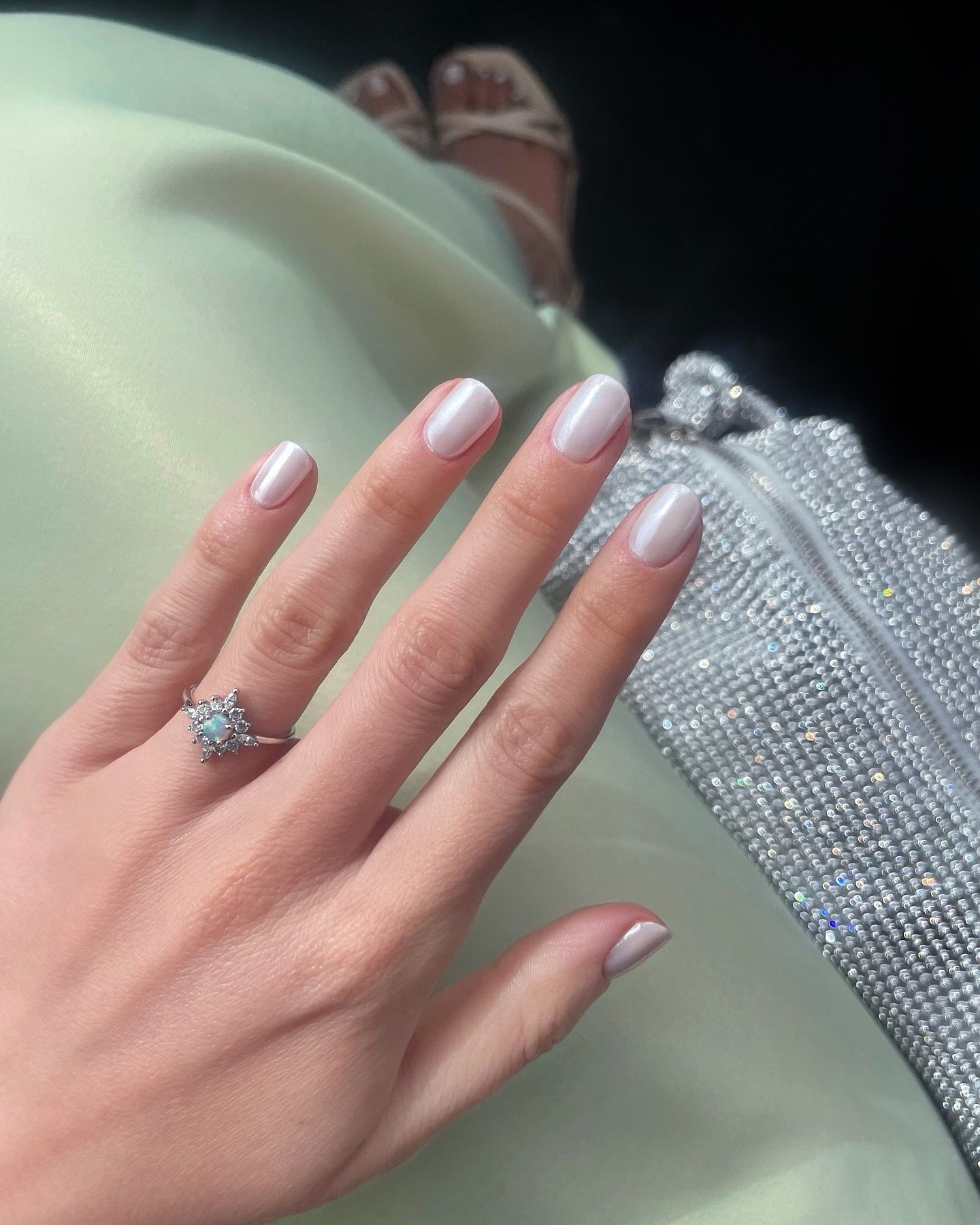
No, we're not talking about the nude nail or soap nail trend here. Instead, it's the pearlescent chrome that's been layered over dozens of shades. As a transition manicure from summer to fall, it works. However, we'll be seeing less of it the further into the season we go.
"Pearlescent chrome has become such a familiar finishing touch that adding it automatically does not always make a manicure more interesting," says Tsabilieva. "This fall, I would choose the chrome to suit the base color. A smoky metallic finish over graphite or a bronze sheen over chocolate brown creates a more considered effect." She adds that chrome still has plenty to offer when its undertone feels connected to the color underneath.
Why Trust Who What Wear
At Who What Wear, we know that beauty isn't one-size-fits-all. Since 2006, our editors have tested thousands of products—including skincare, makeup, haircare, and nails—while also working closely with trusted experts, like renowned dermatologists, celebrity makeup artists, and other leading industry insiders. Together, this ensures every guide is well-researched, inclusive, and relevant to you.
Who What Wear has been a digital fashion, beauty, and lifestyle publication and community where people can discover the latest brands, trends, and must-have products to help define and evolve their personal style. Think of Who What Wear as your most trusted style and shopping resource.
from Latest from Who What Wear https://ift.tt/m80FqsA
Calling all Zara fans, I have big news: Massimo Dutti has officially landed in New York. For the uninitiated, the Zara sister brand is where all the chic minimalist fashion people shop for great closet staples, but since the Spanish retailer has mainly had an online presence in the U.S., the opening of its expansive flagship in SoHo is the perfect moment to become acquainted (or reacquainted) with the A+ offering.
Aesthetically speaking, the brand is known for its elegant and sophisticated look that's both trend-forward and hyper-elevated, but if you ask me, it's the quality of the pieces that's the most impressive. It's why I'll always be a loyal MD shopper. In fact, one of my most-worn shoe styles is a pair of knee-high boots from three years ago that still looks pristine despite having been resoled twice. When I heard the brand was opening a store here, I couldn't get there fast enough to touch, feel, and try on everything IRL.
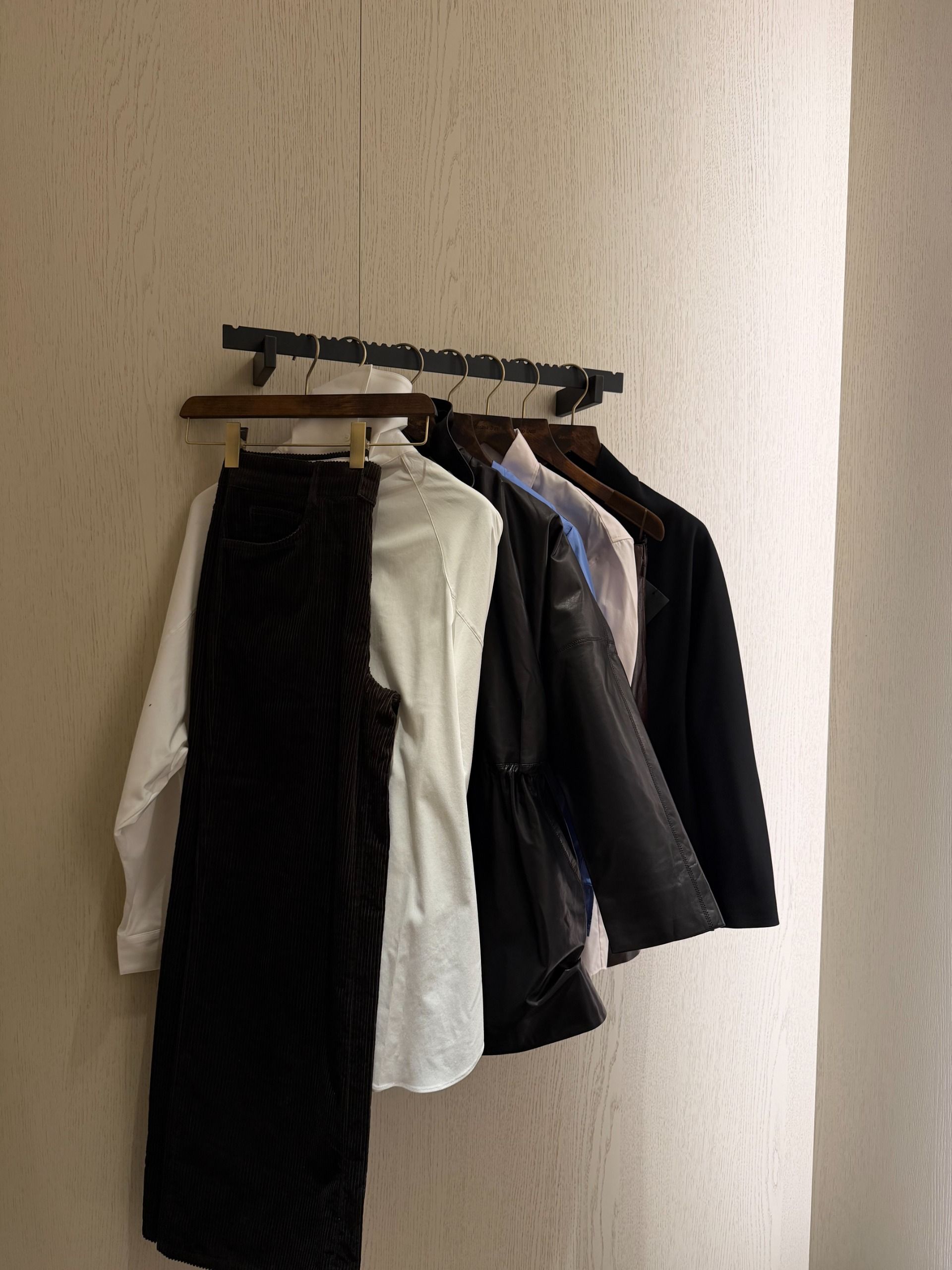
I spent several hours in-store perusing the latest arrivals from the fall 2026 collection. See which pieces I hauled into my fitting room, from a pair of round-toe pumps and a great pencil skirt to a leather funnel-neck jacket, and what stood out about each.
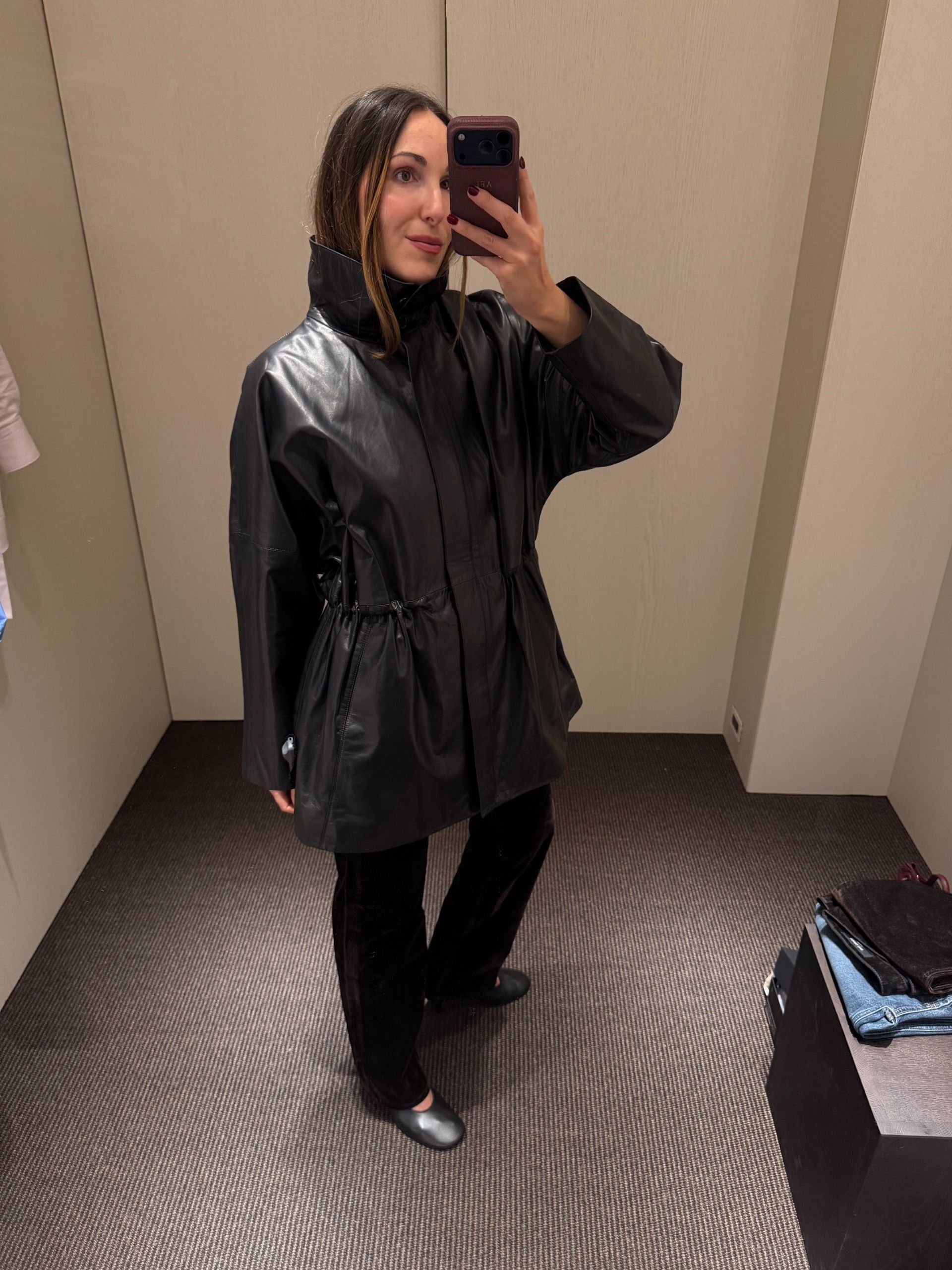
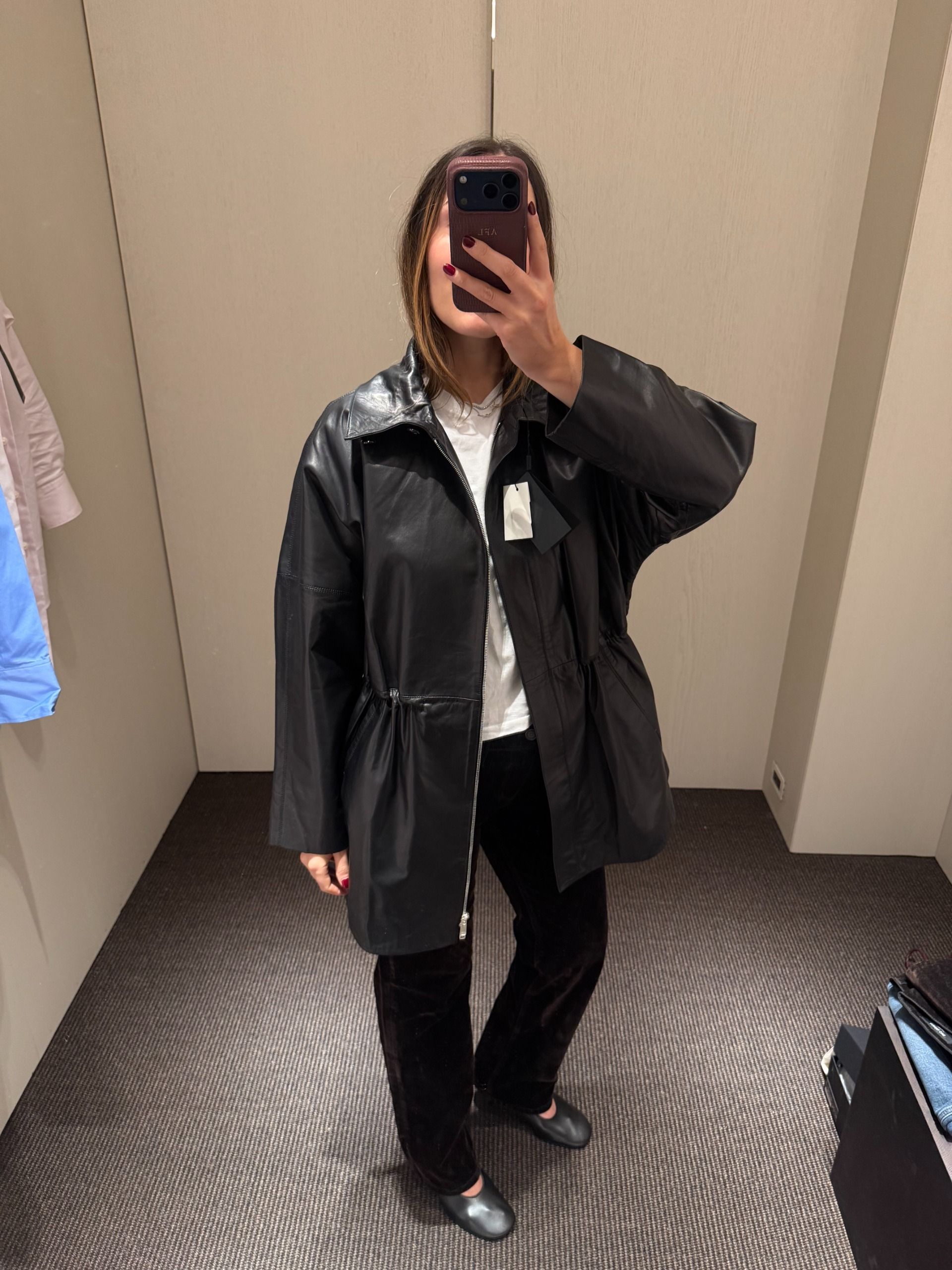
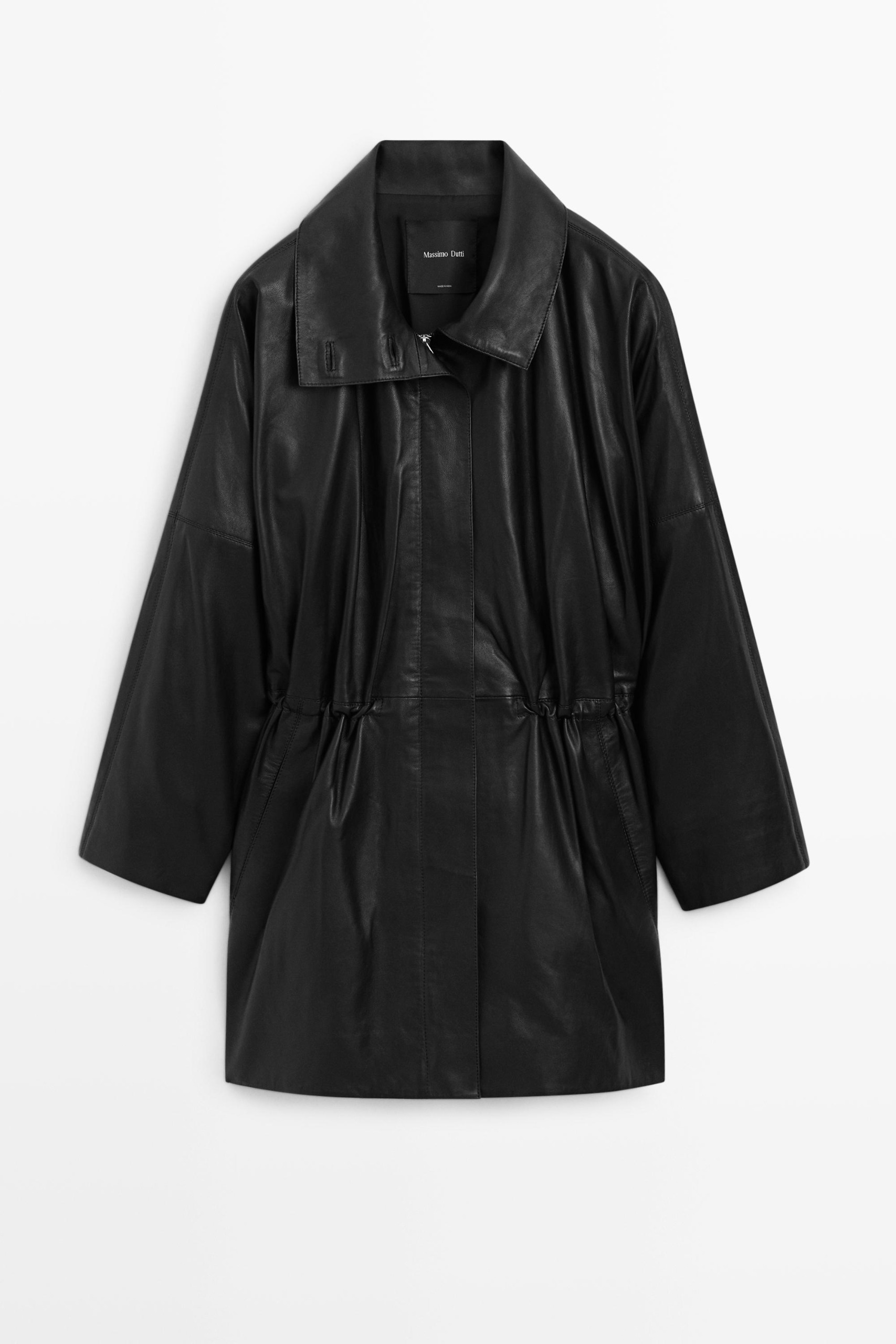
If I thought this jacket looked good on the rack, it felt one thousand times better once I slipped it on. The leather pieces are always the standouts for me because they tend to be made from buttery-soft materials (the shoes famously require no break-in period), and this jacket is the perfect example. It features an interior toggle to cinch the waist and buttons at the collar to transform it into a funnel neck. Yes, it's an investment piece, but it's a beautiful one that I instantly fell in love with.
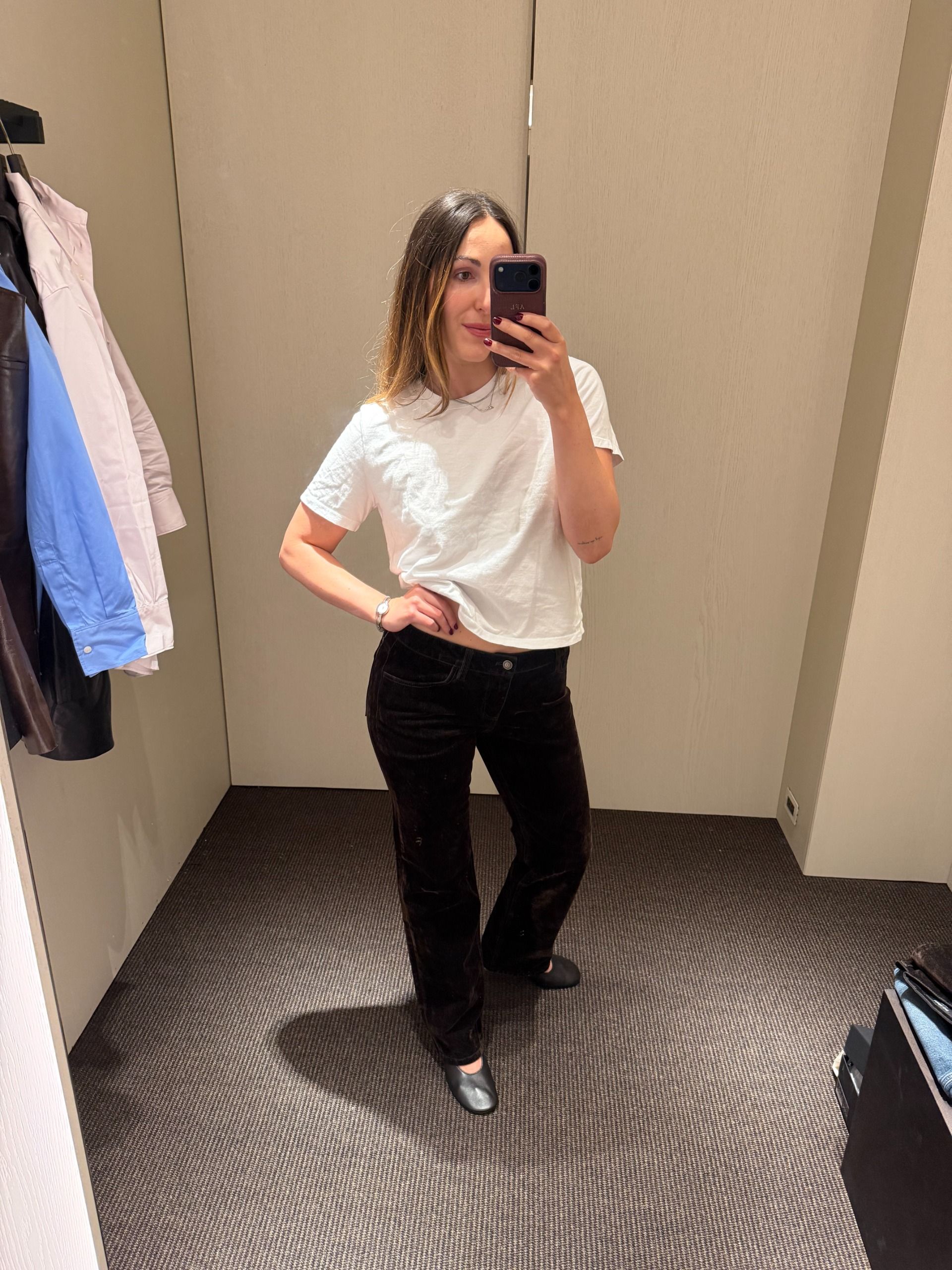
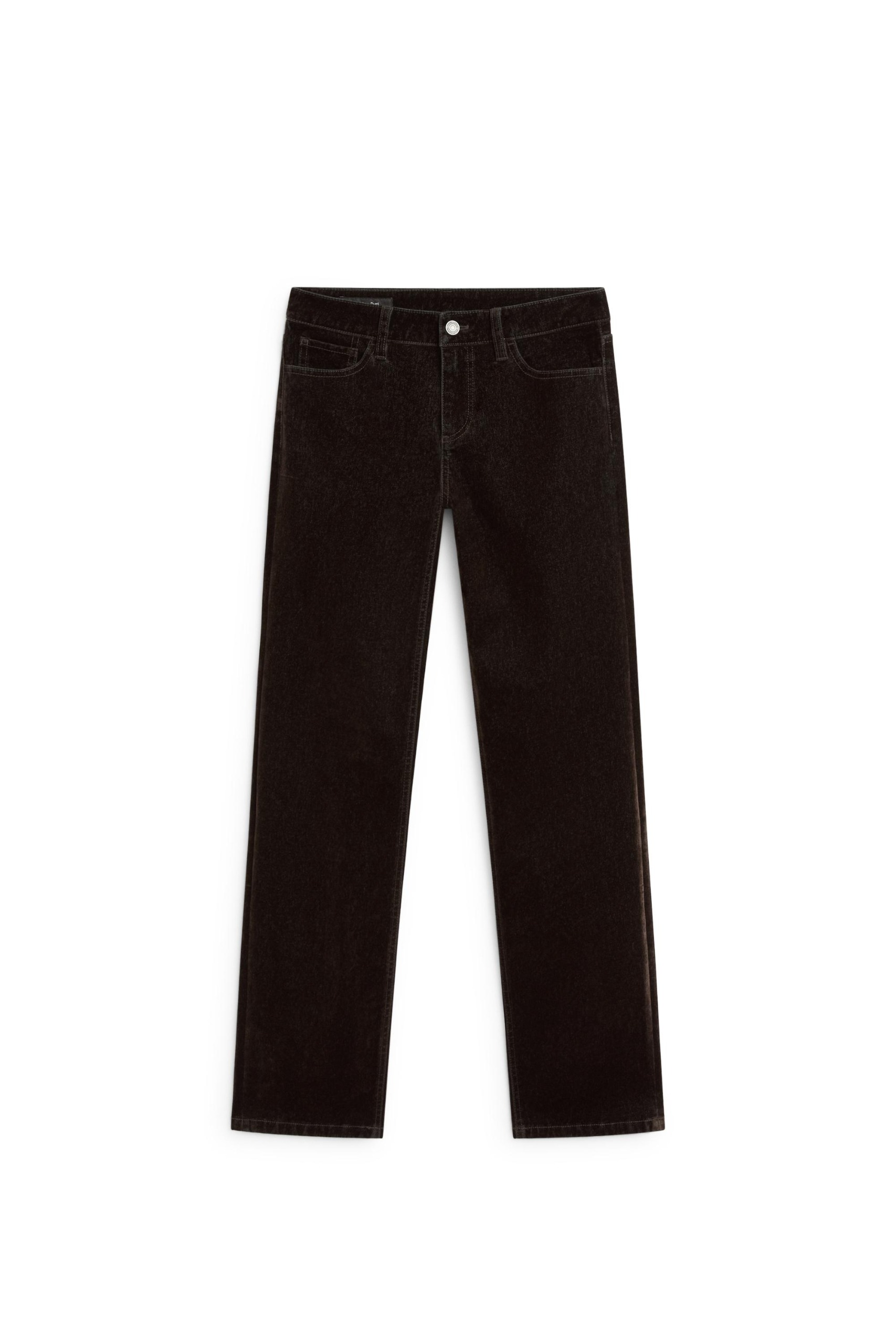
Denim is another category that I feel the brand gets really right, and while I did reach for a pair of classic rigid jeans (which I'm detailing up ahead), I did a double take when I spotted these jeans on display. With a chocolate-brown velvet finish, they're cool, luxe looking, and the perfect fall and winter alt to blue jeans.
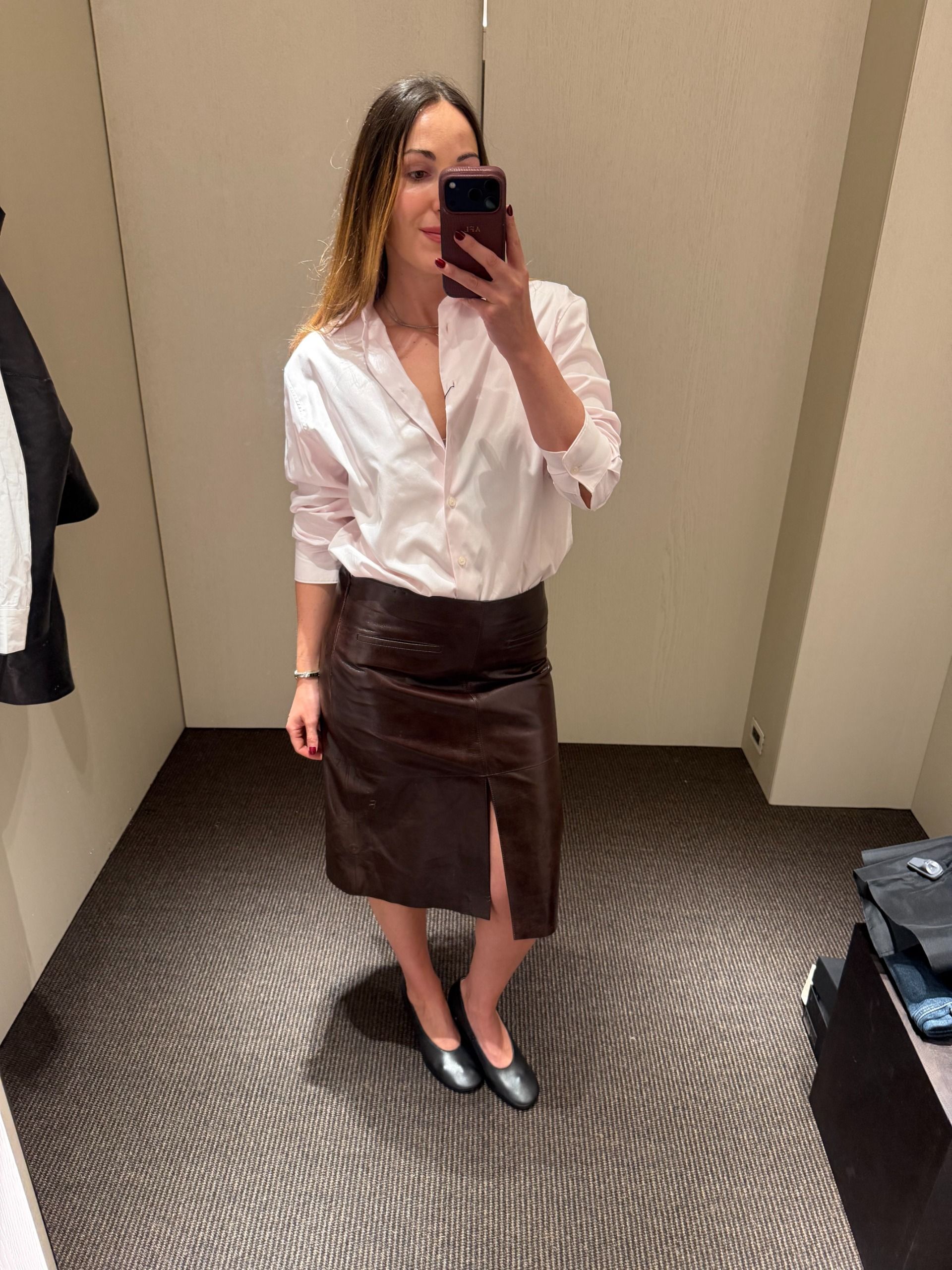
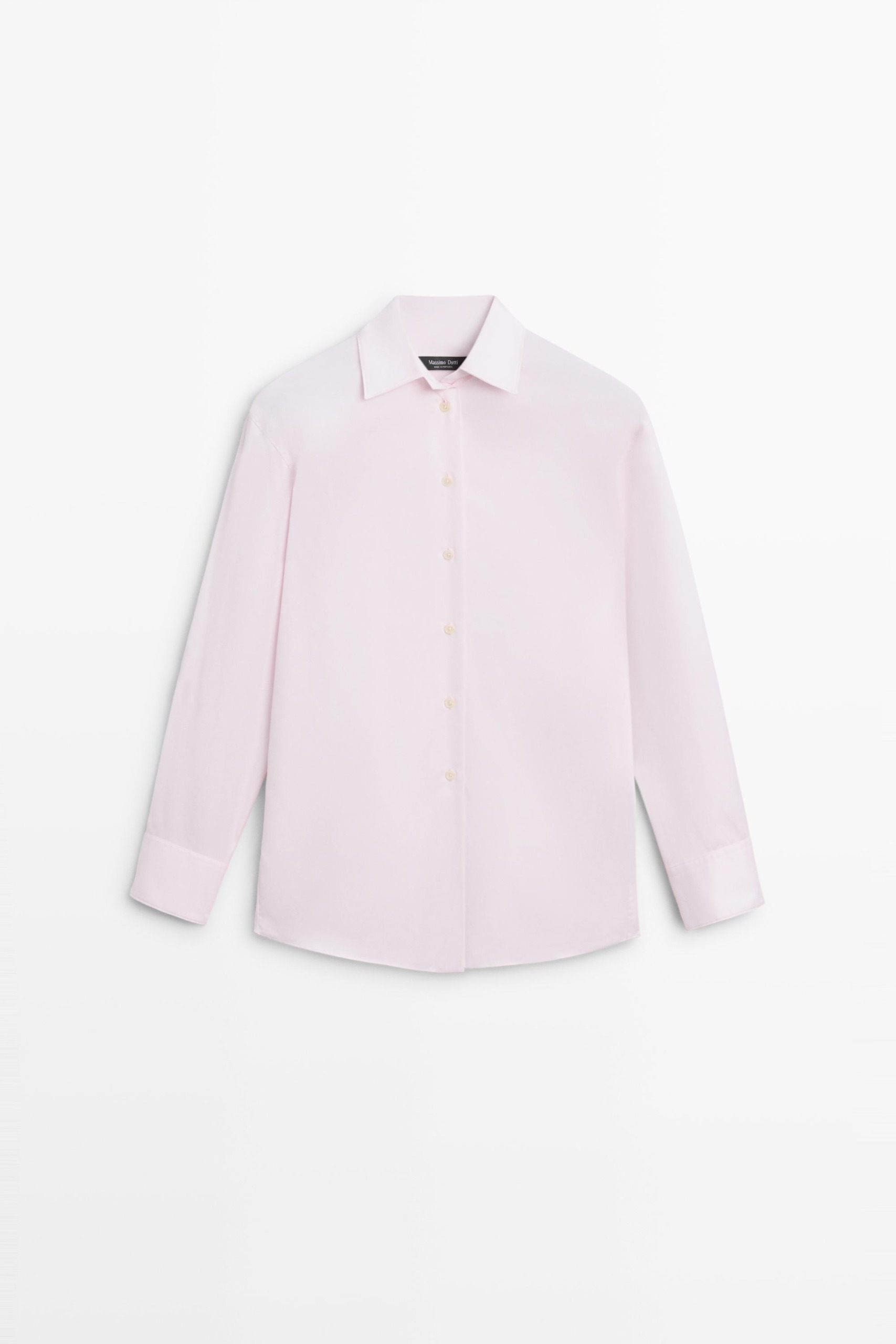
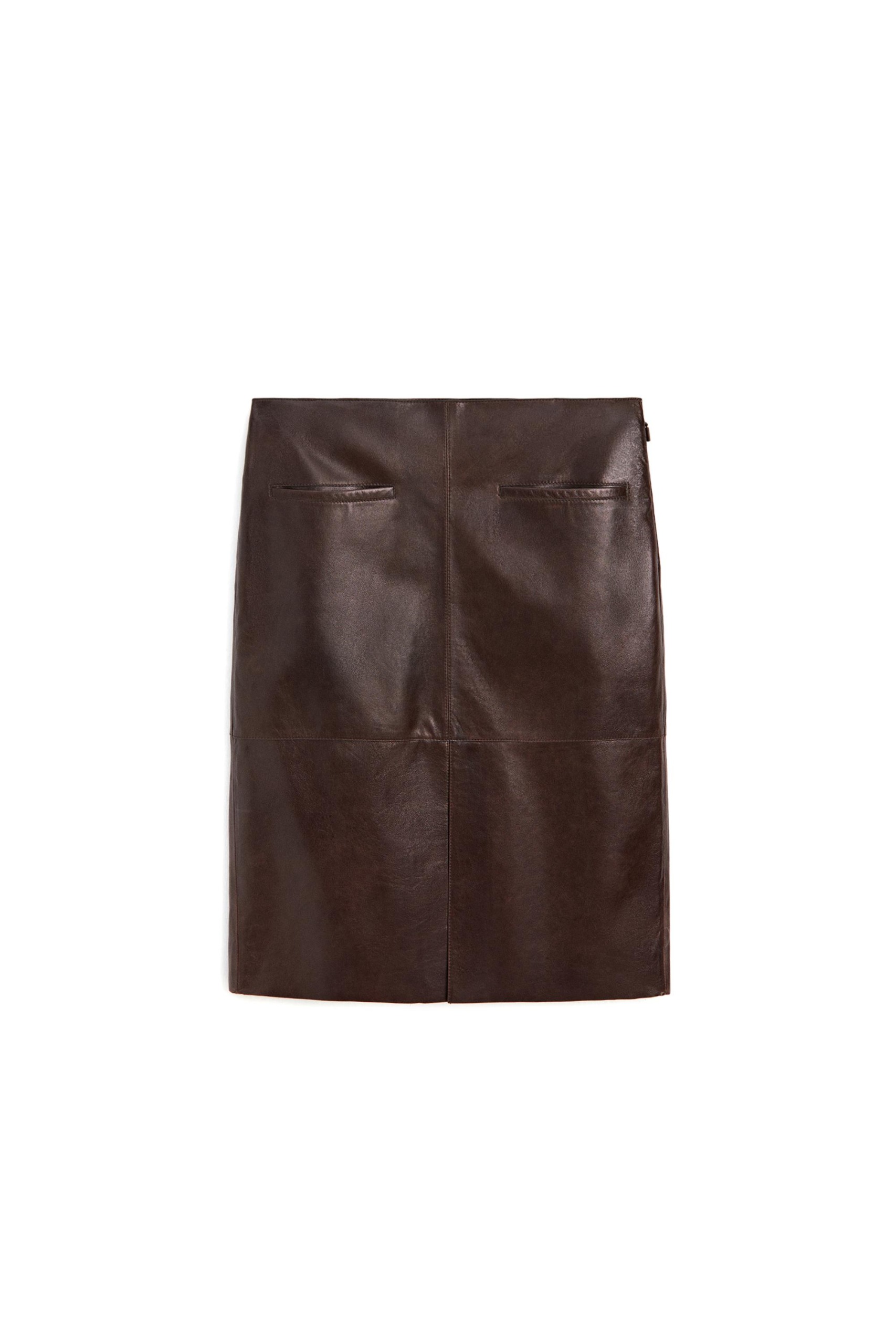
In case you haven't heard, it's a pencil-skirt fall, and this one fit like a dream. The mid-rise waist and front center slit give it the perfect '90s-coded silhouette, and the mahogany pairs nicely with this ballet-pink poplin button-down shirt.
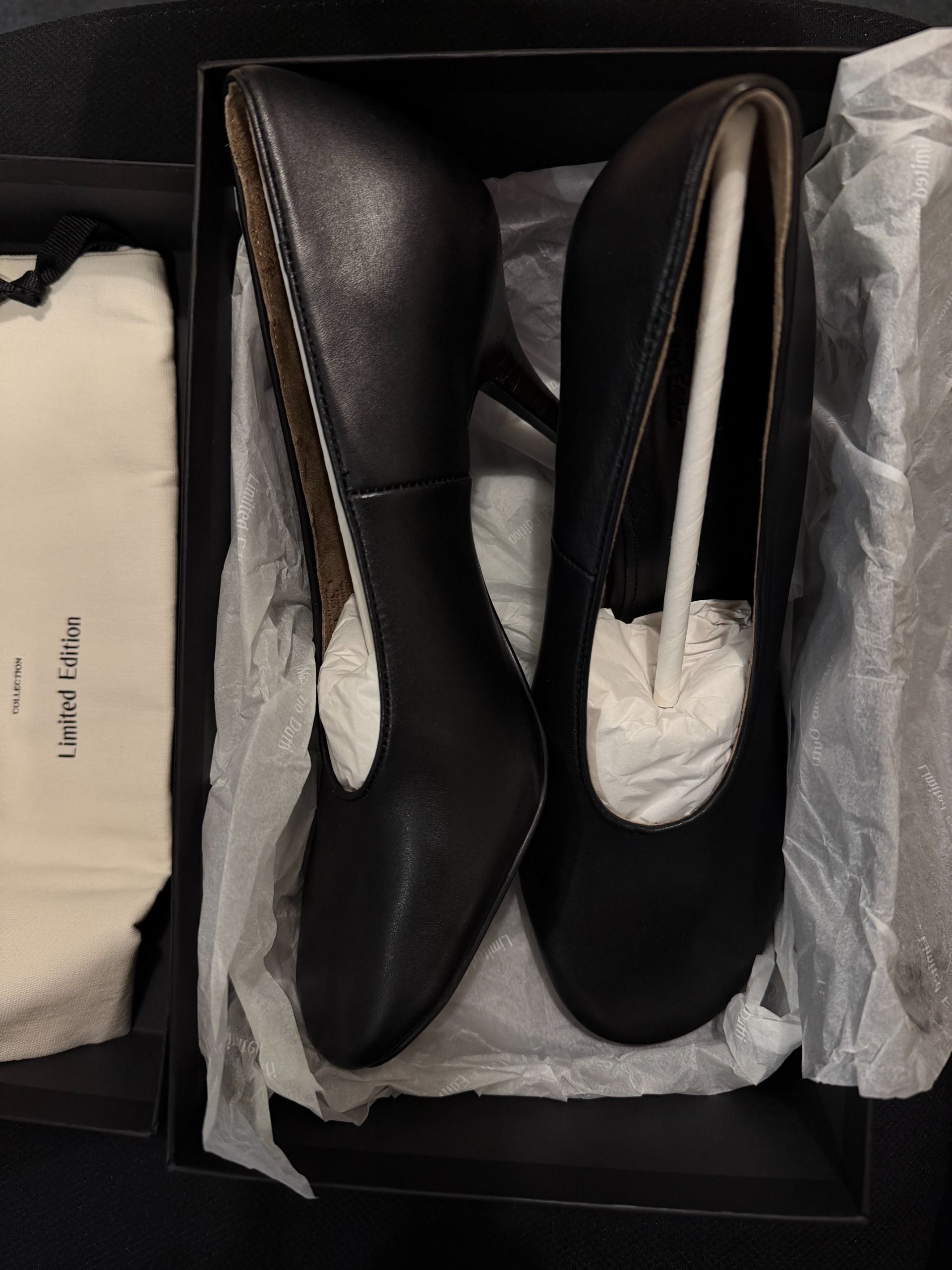
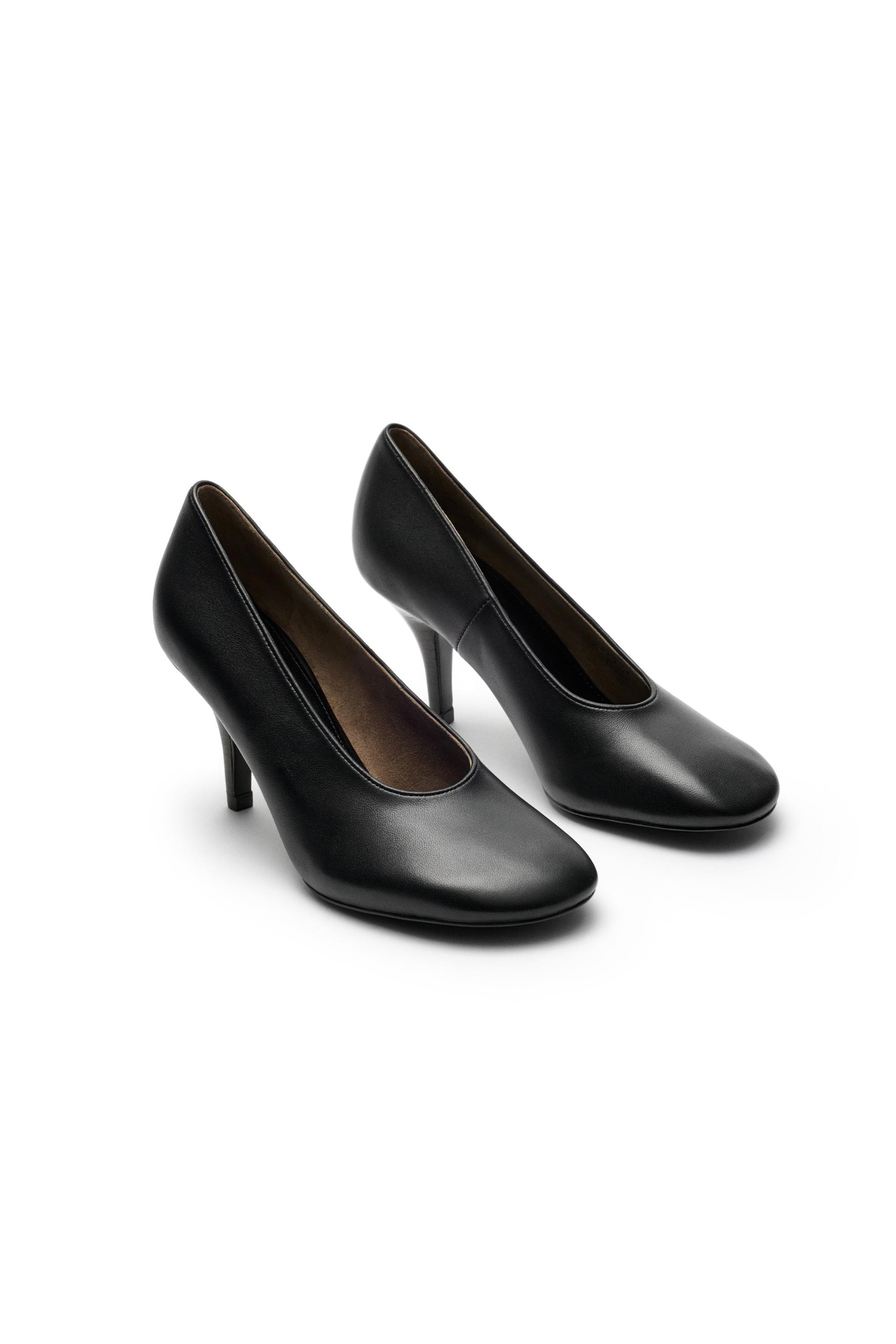
I paired all the outfits I tried on with these black heels that went with so many different looks, from skirts to jeans. I've been looking for good black pumps to become my go-to, and these immediately fit the bill. They're tall without being too much for my 5'6" frame and feature a rounded toe shape that feels very forward and fresh to me. The leather was soft and malleable as well, and I honestly could have worn them right out of the store.
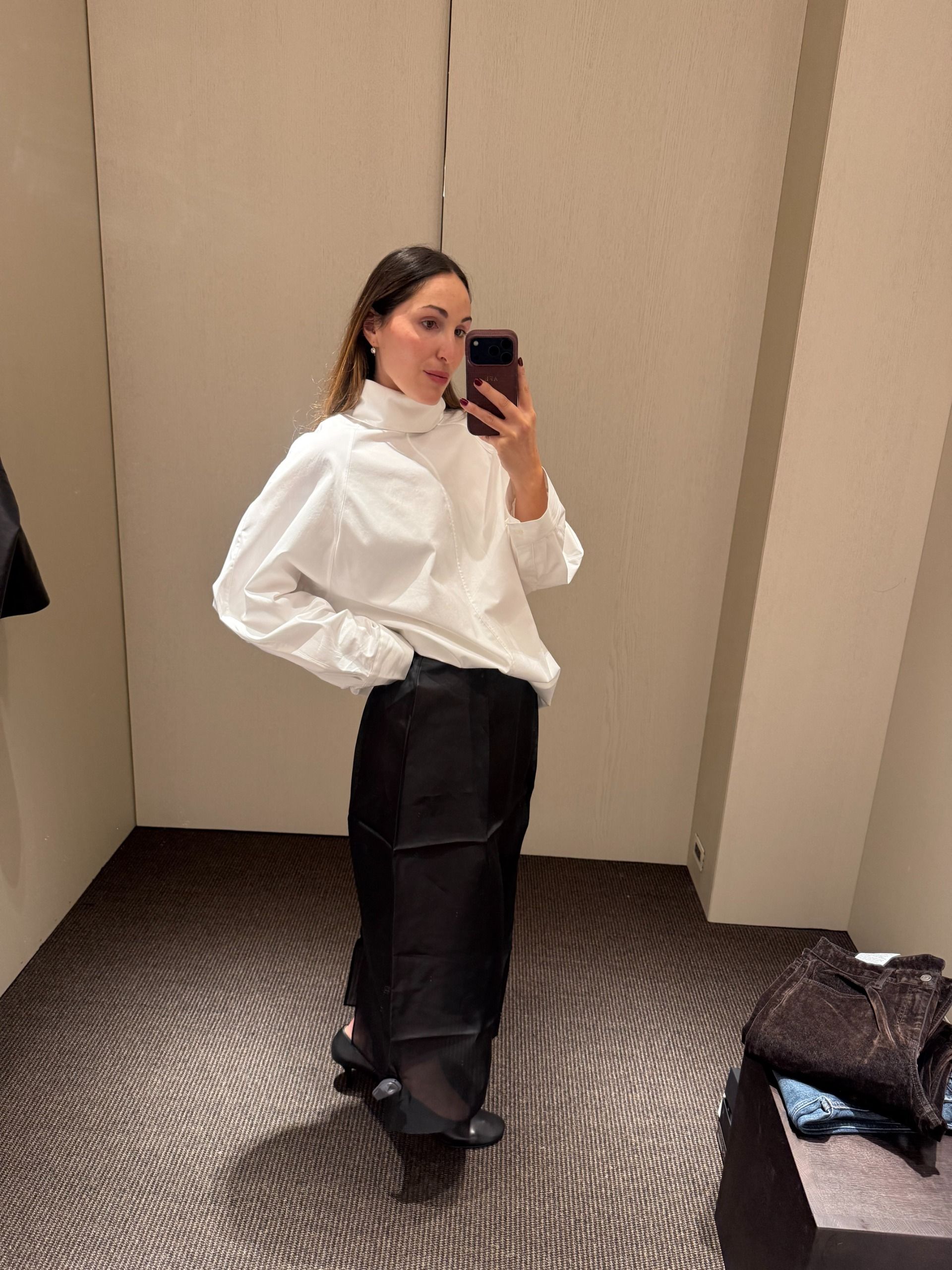
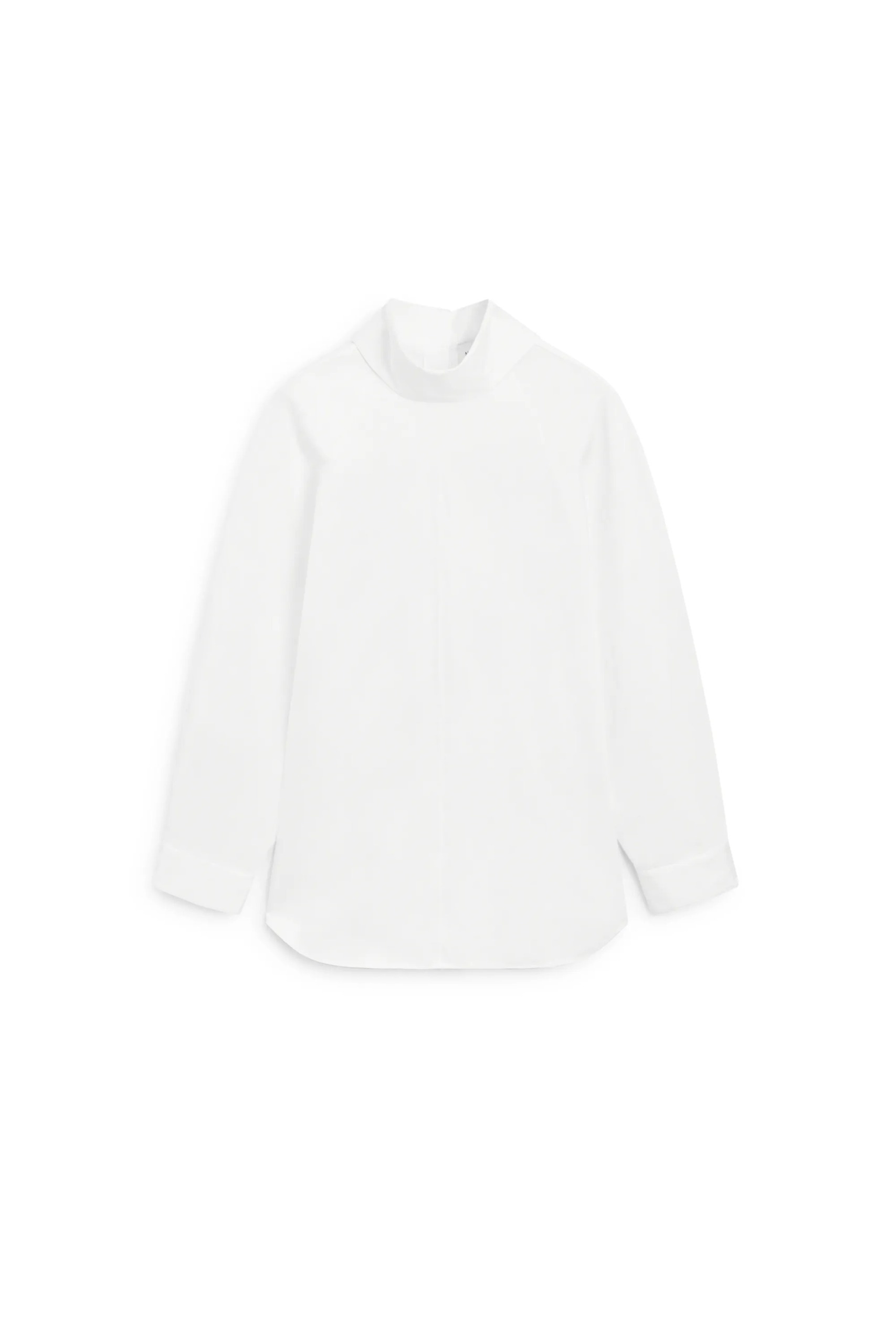
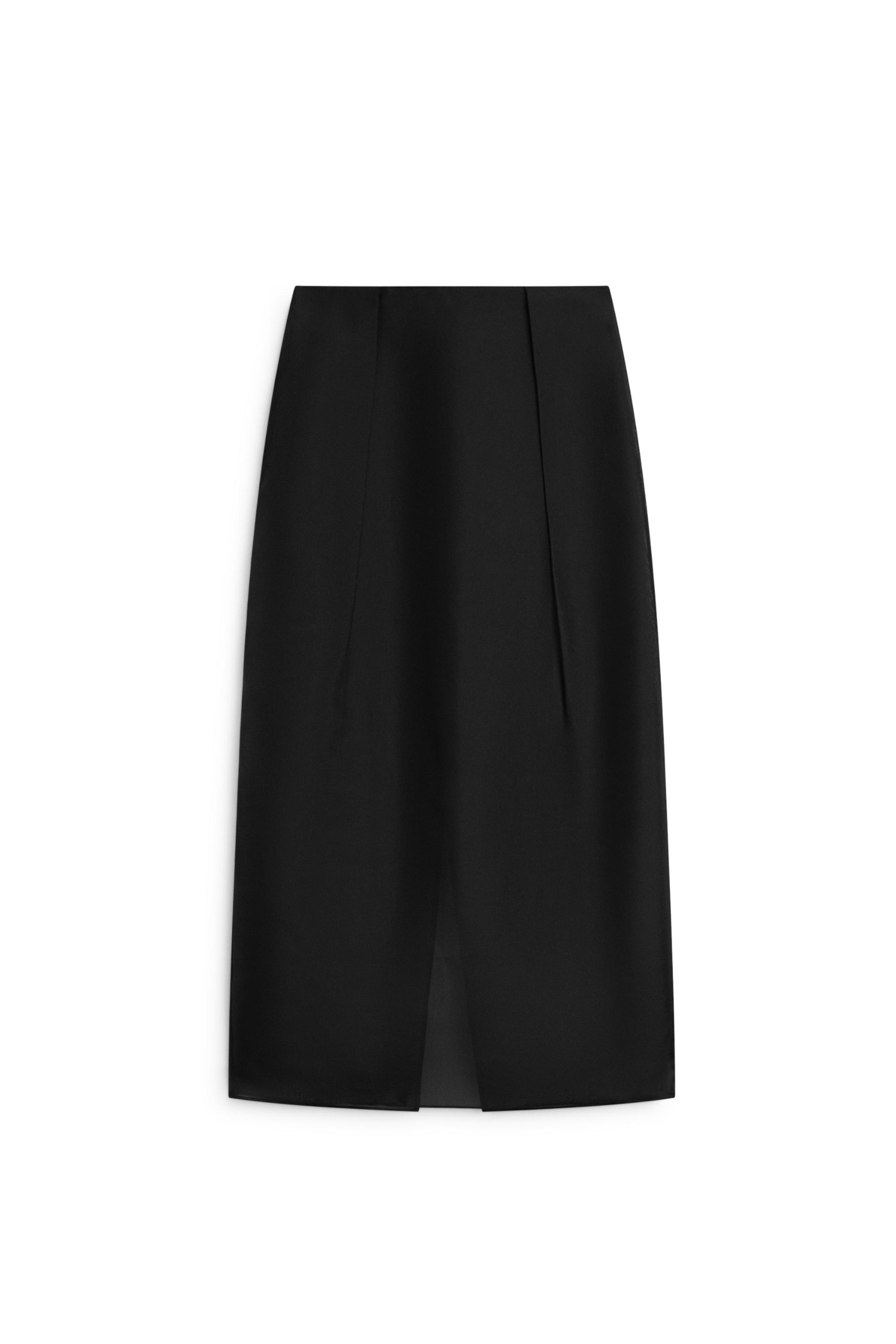
Both of these items come from Massimo Dutti's Limited Edition collection, a twice-a-year capsule that features the most forward and design-driven pieces—like the high-collar blouse and sheer skirt I tried on here.
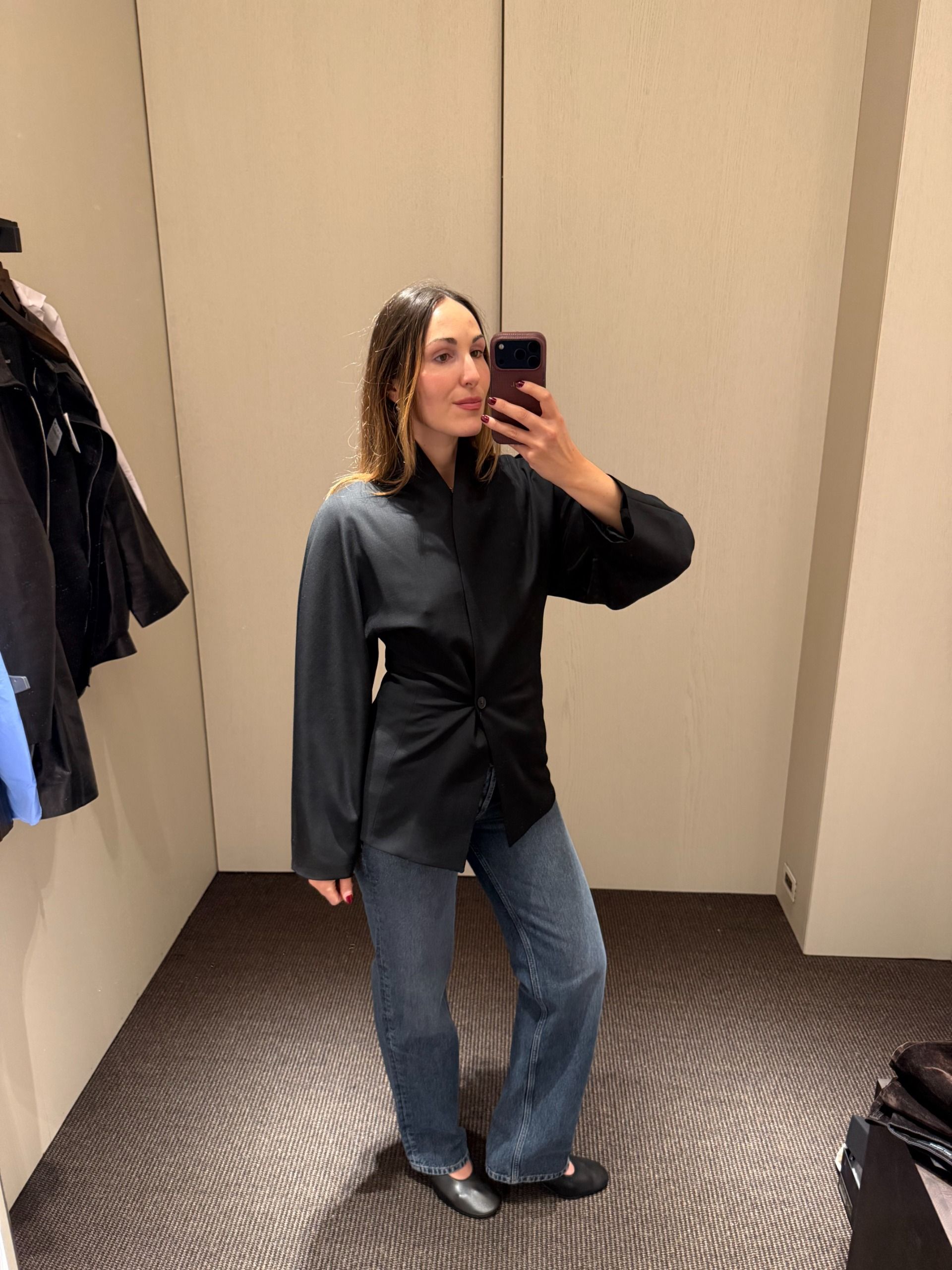
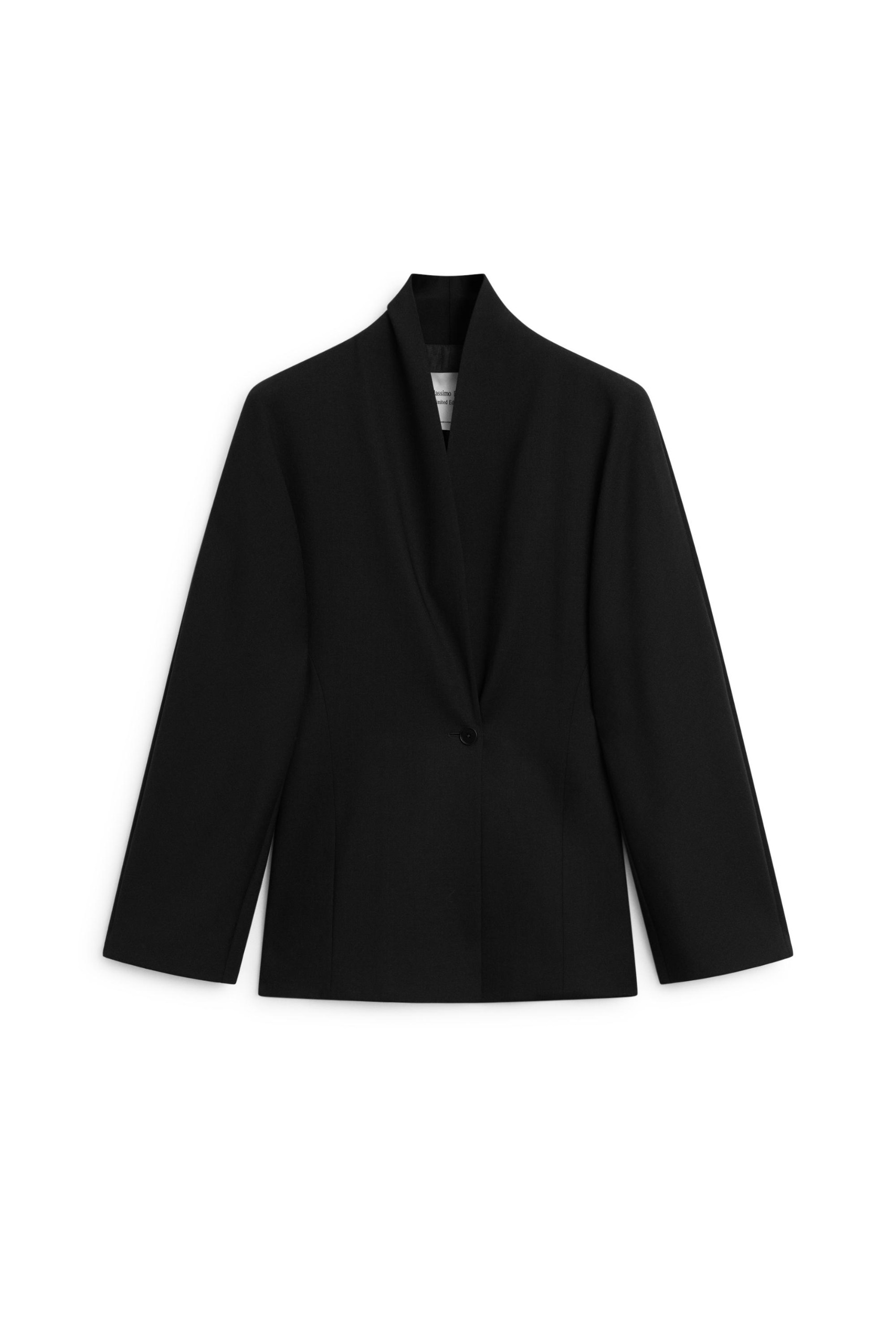
This blazer immediately caught my eye for its beautiful shape. The shawl collar and fitted waist are finished with a single button closure, and it feels like the ultimate closet staple for anyone who likes minimalist style and clean lines. I paired it with jeans but think it would also look amazing with a column skirt.
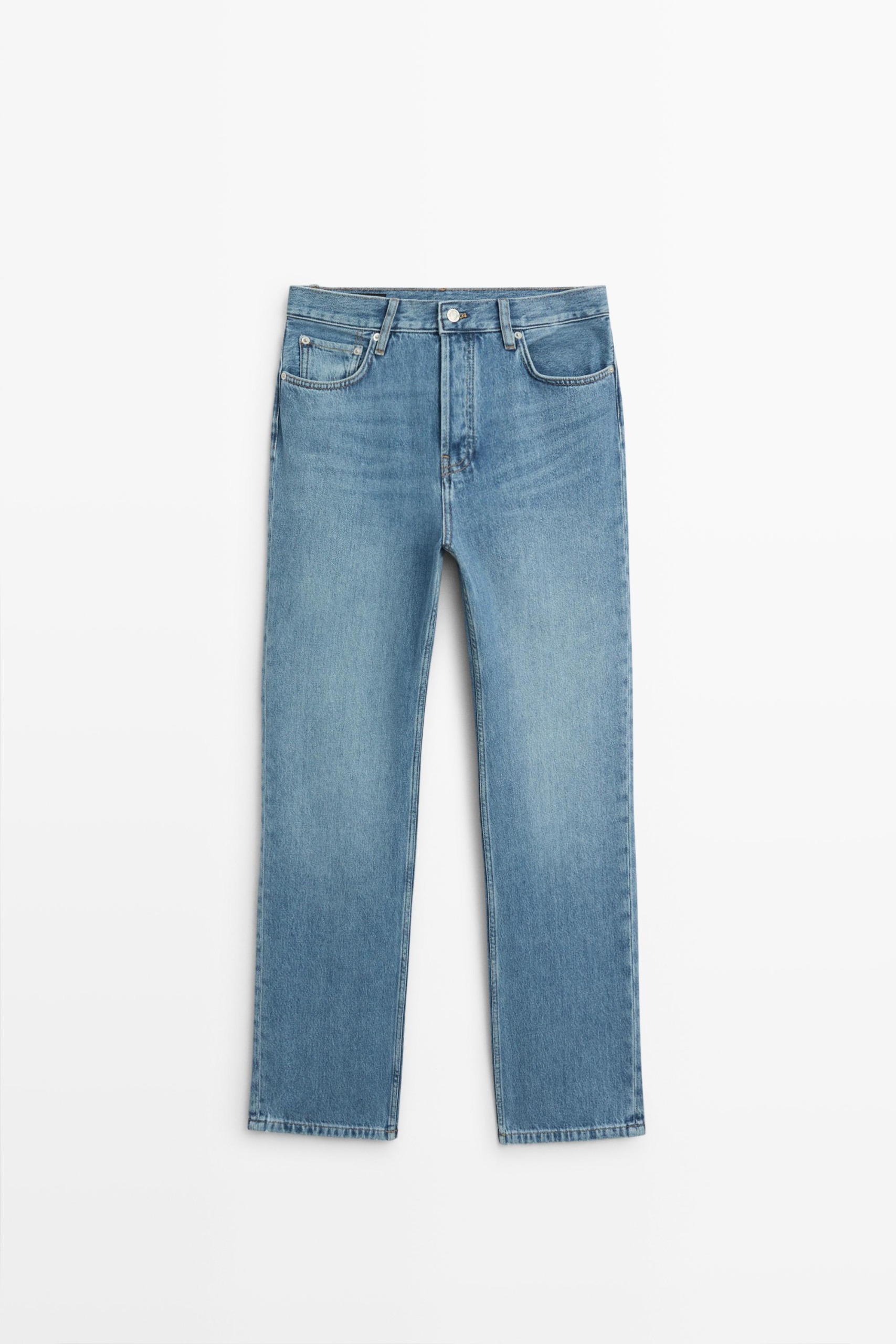
As for the jeans, I chose this Mid-Waist Straight-Leg style that's made from 100% cotton rigid denim with a button fly. This isn't the first time I've tried MD jeans, but it had been a few years, and I was reminded of just how premium they are considering their price point. Straight-leg mid-blue jeans will always have a place in my closet, and I know this pair will go the distance.
Massimo Dutti
100% Wool Stand Collar Blazer
Massimo Dutti
Mid-Waist Straight-Leg Jeans
More Items I Want to Try Next
Massimo Dutti
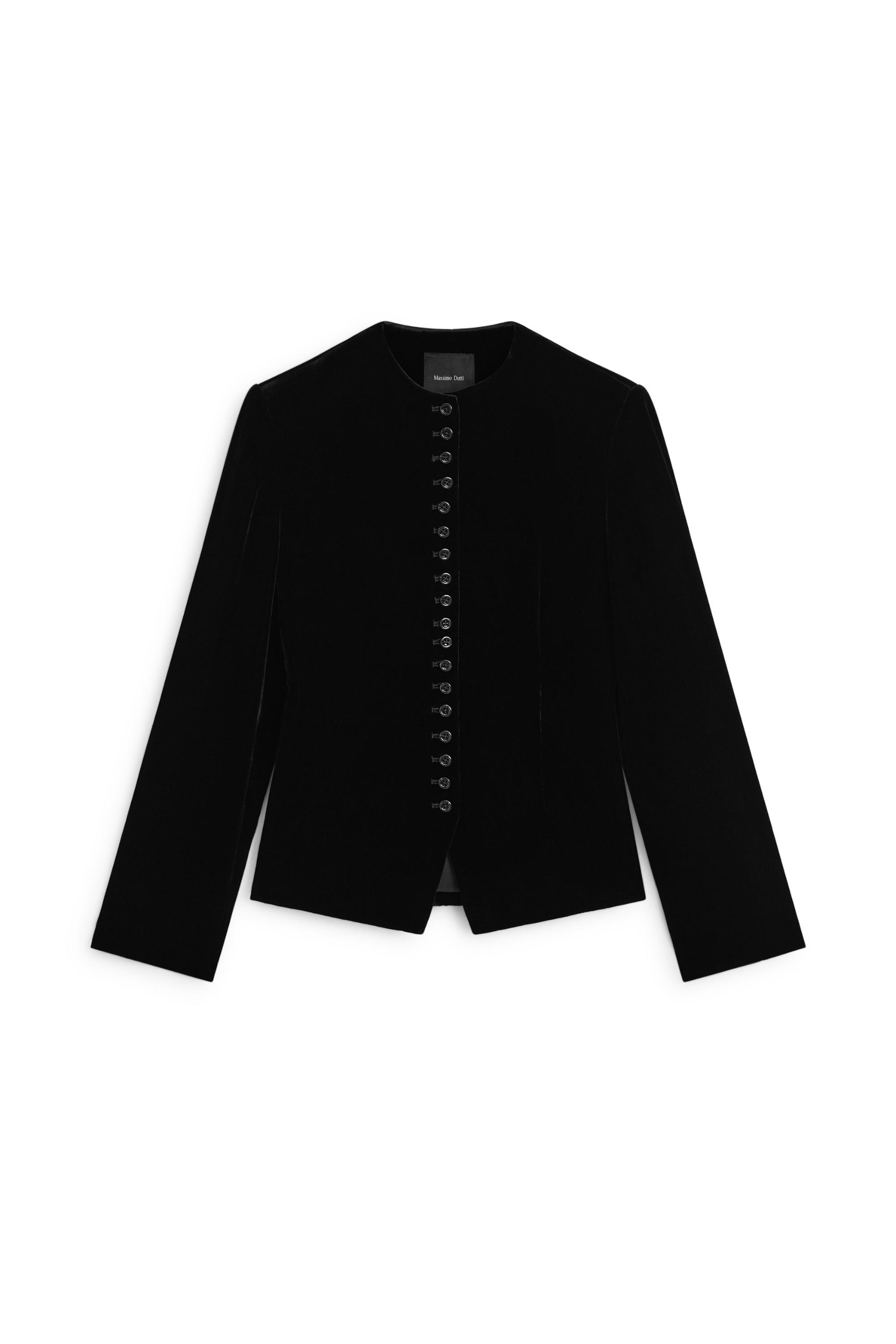
Velvet Blazer With Button Detail
I'm already thinking about my holiday wardrobe, and this just ranked high on the wish list.
Massimo Dutti
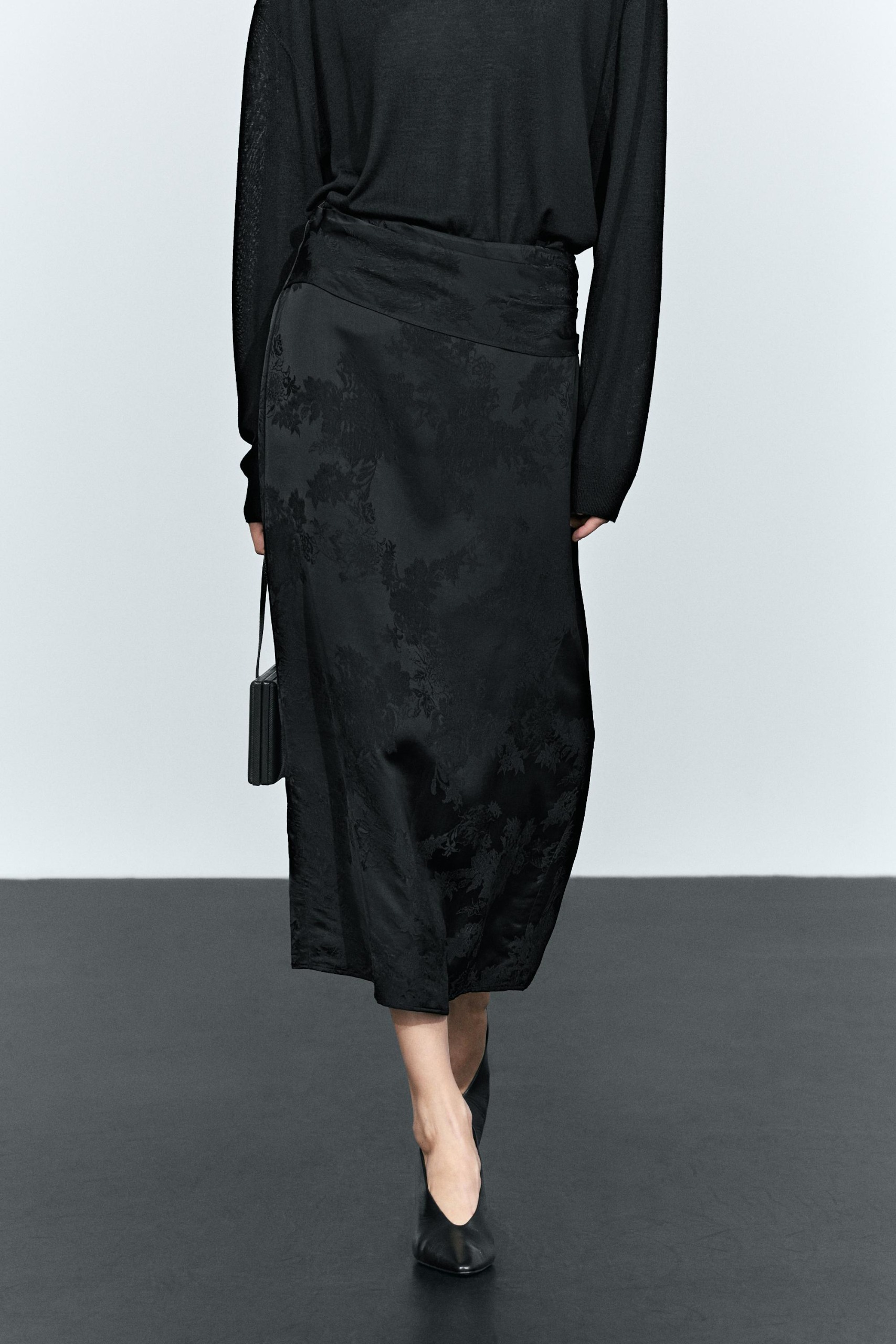
Straight Midi Skirt With Sash
Brocade is the moment.
Massimo Dutti
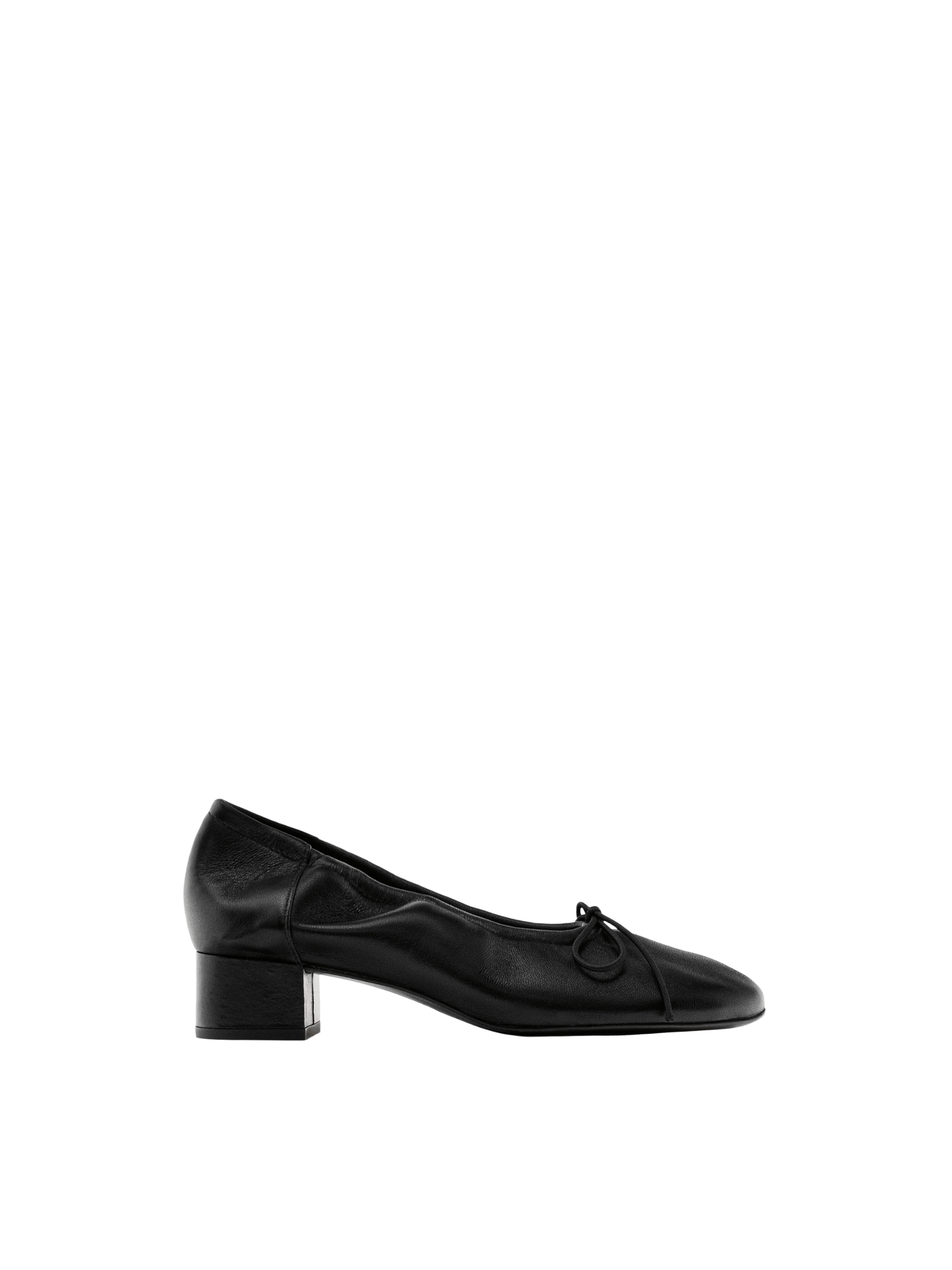
High-Heel Ballerinas
Very French girl coded.
Massimo Dutti
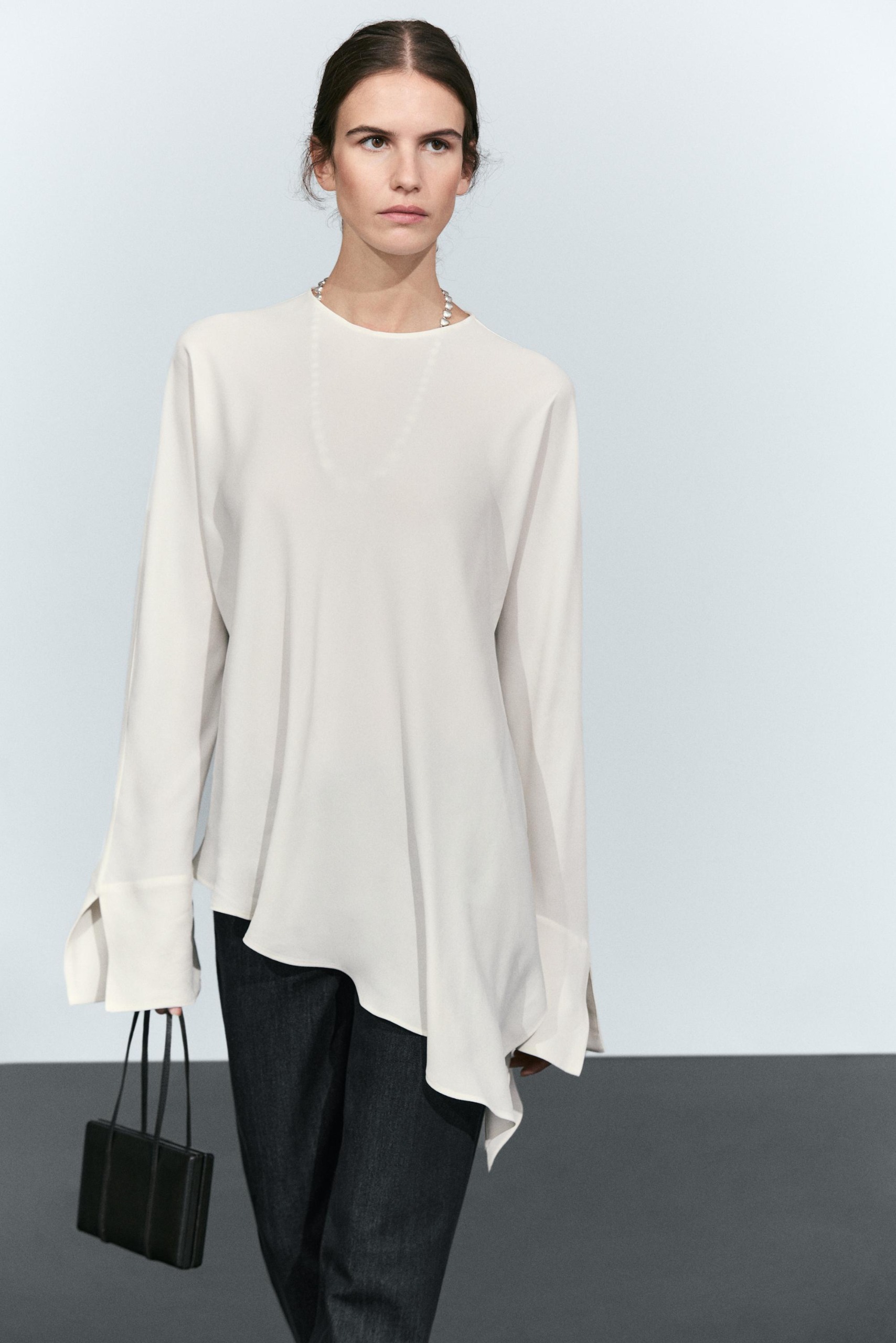
Fluid Asymmetric Blouse With Batwing Sleeve
Endlessly elegant.
Massimo Dutti
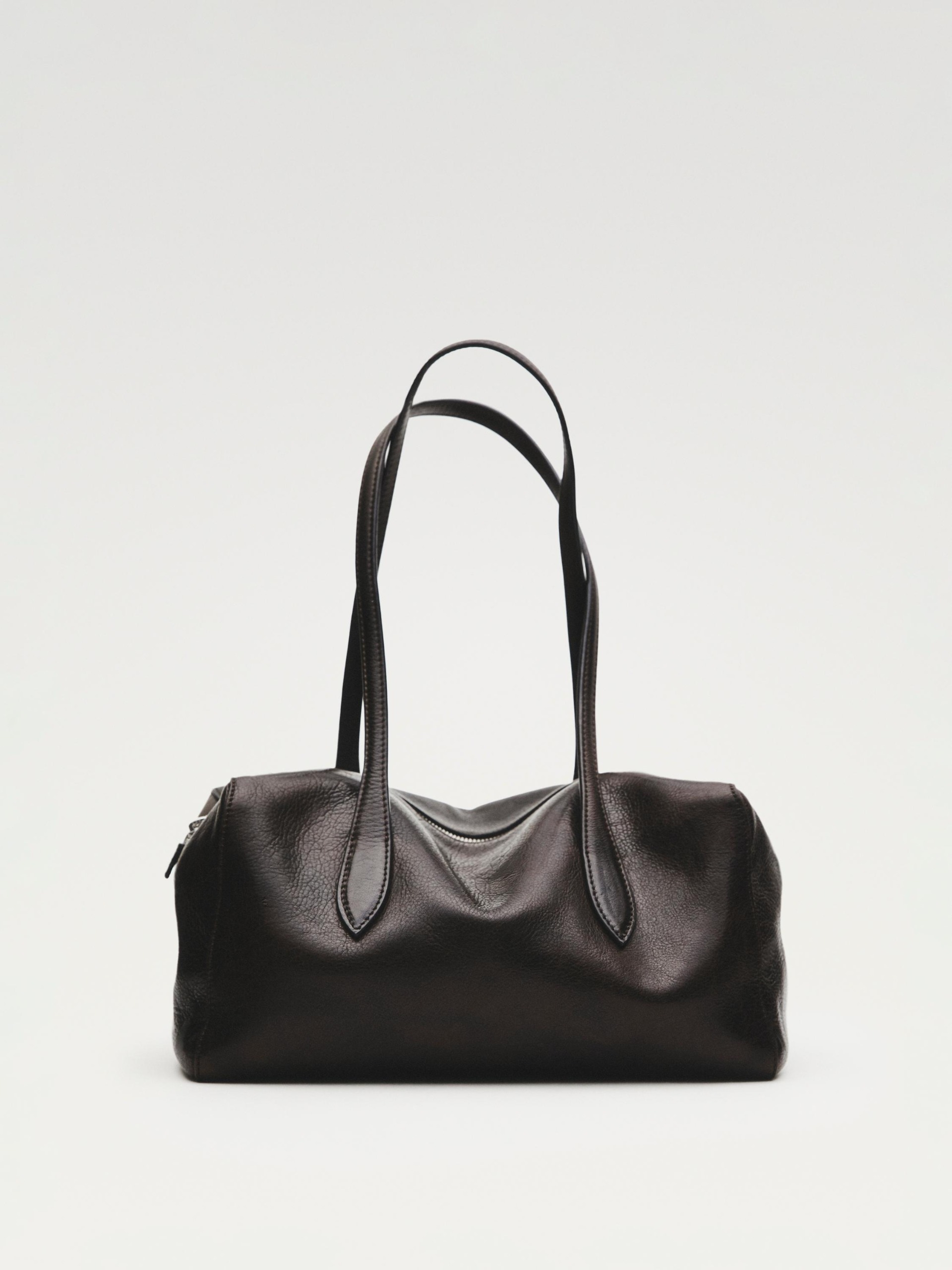
West Nappa Leather Satchel
This is selling out quickly, and it's not hard to see why.
Massimo Dutti
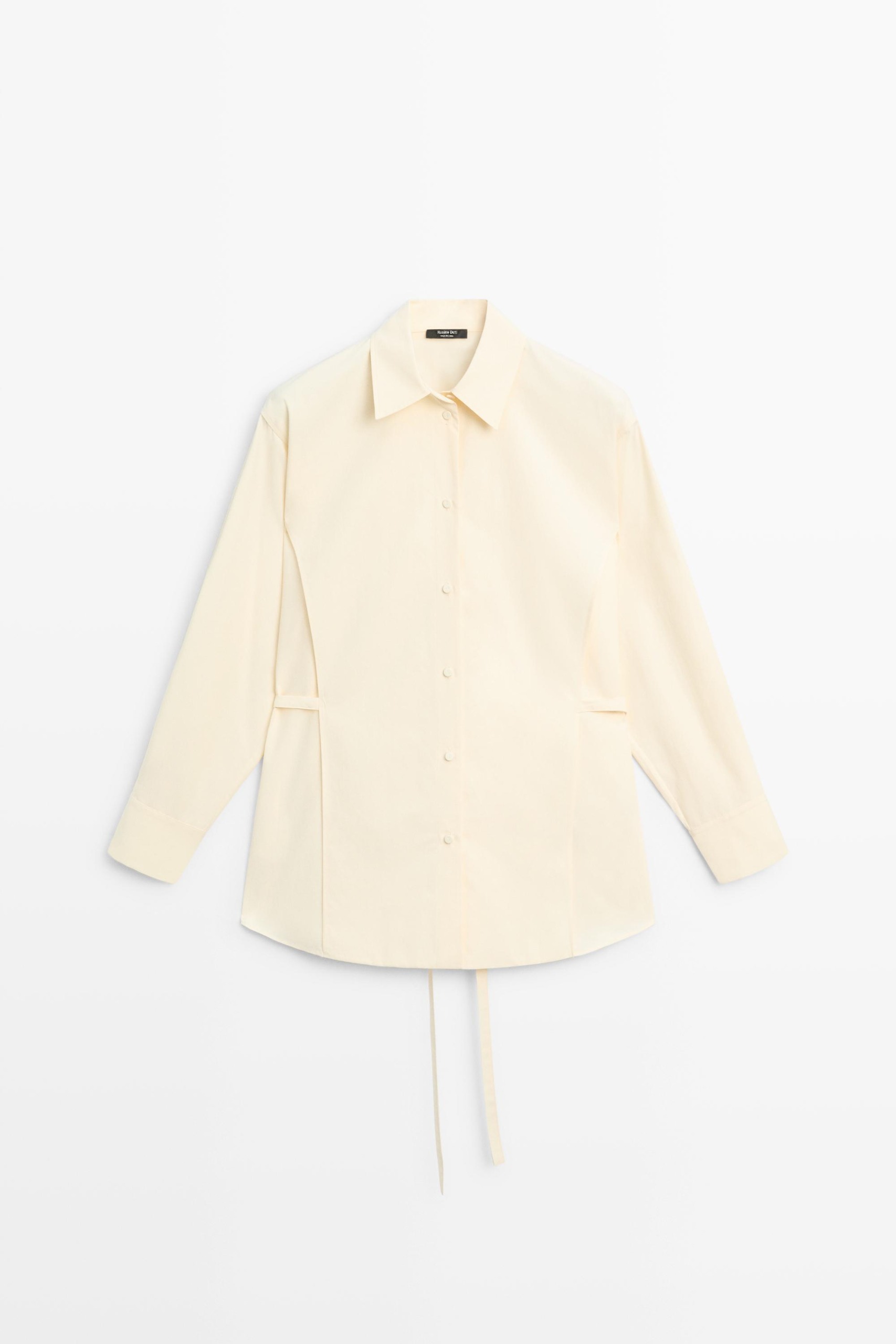
Flowing Cotton Shirt With Belt Detail
The tie detail means this can be styled in a number of ways, from fitted to flowy.
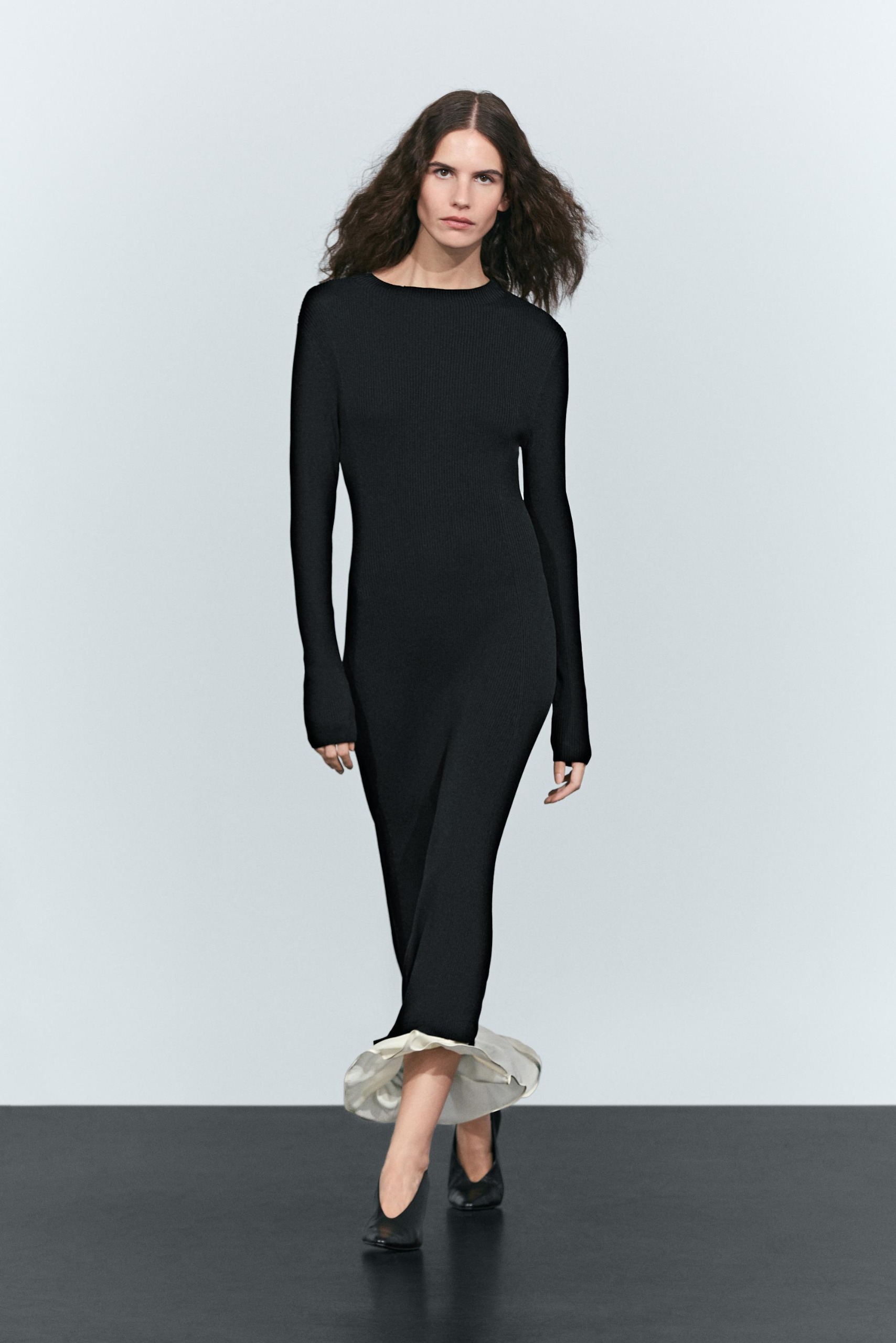
Massimo Dutti
Midi Dress With Long Sleeve and Contrast Detail
Simple but striking.
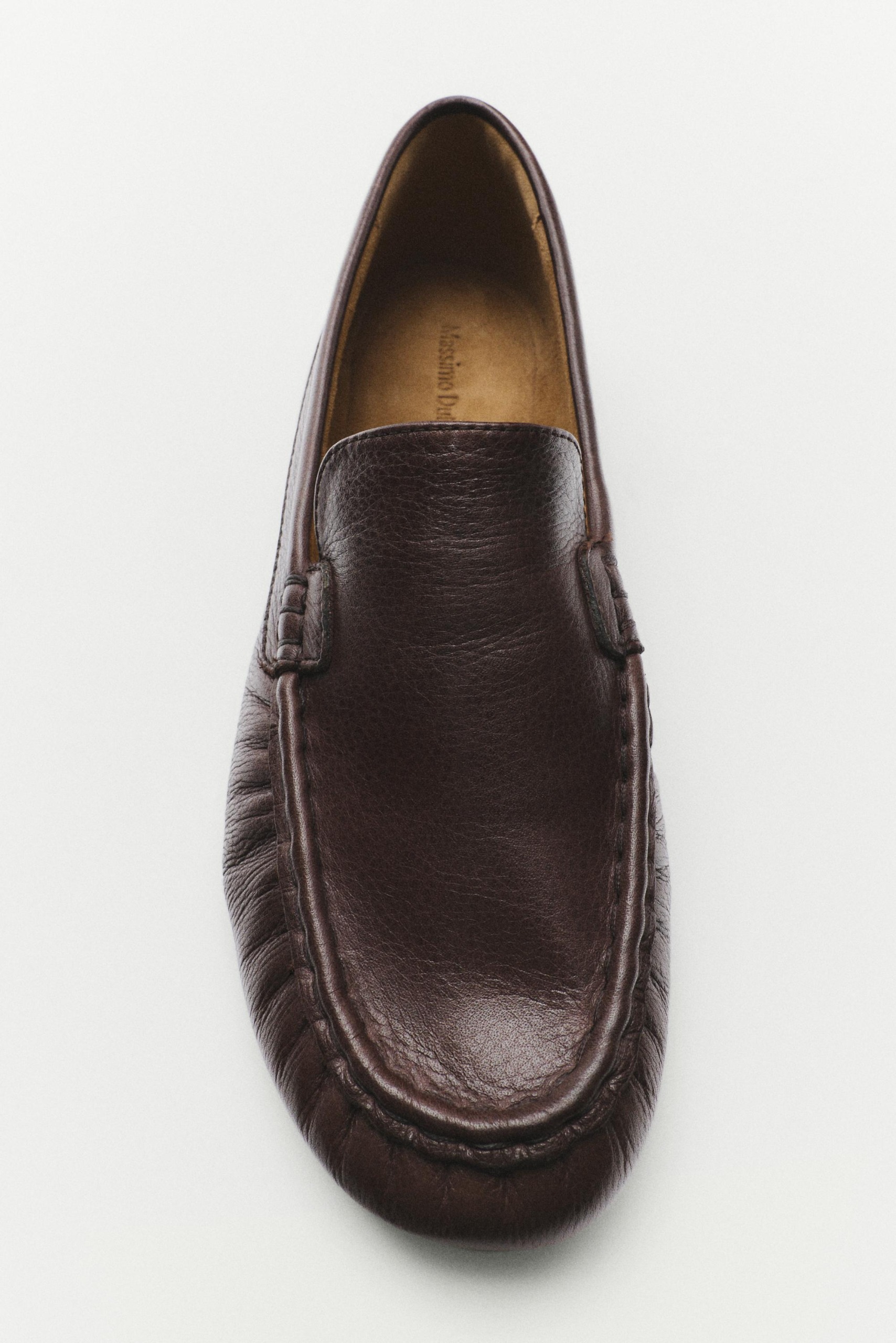
Massimo Dutti
Soft Leather Moc Toe Loafer
Meet my current flat-shoe crush.
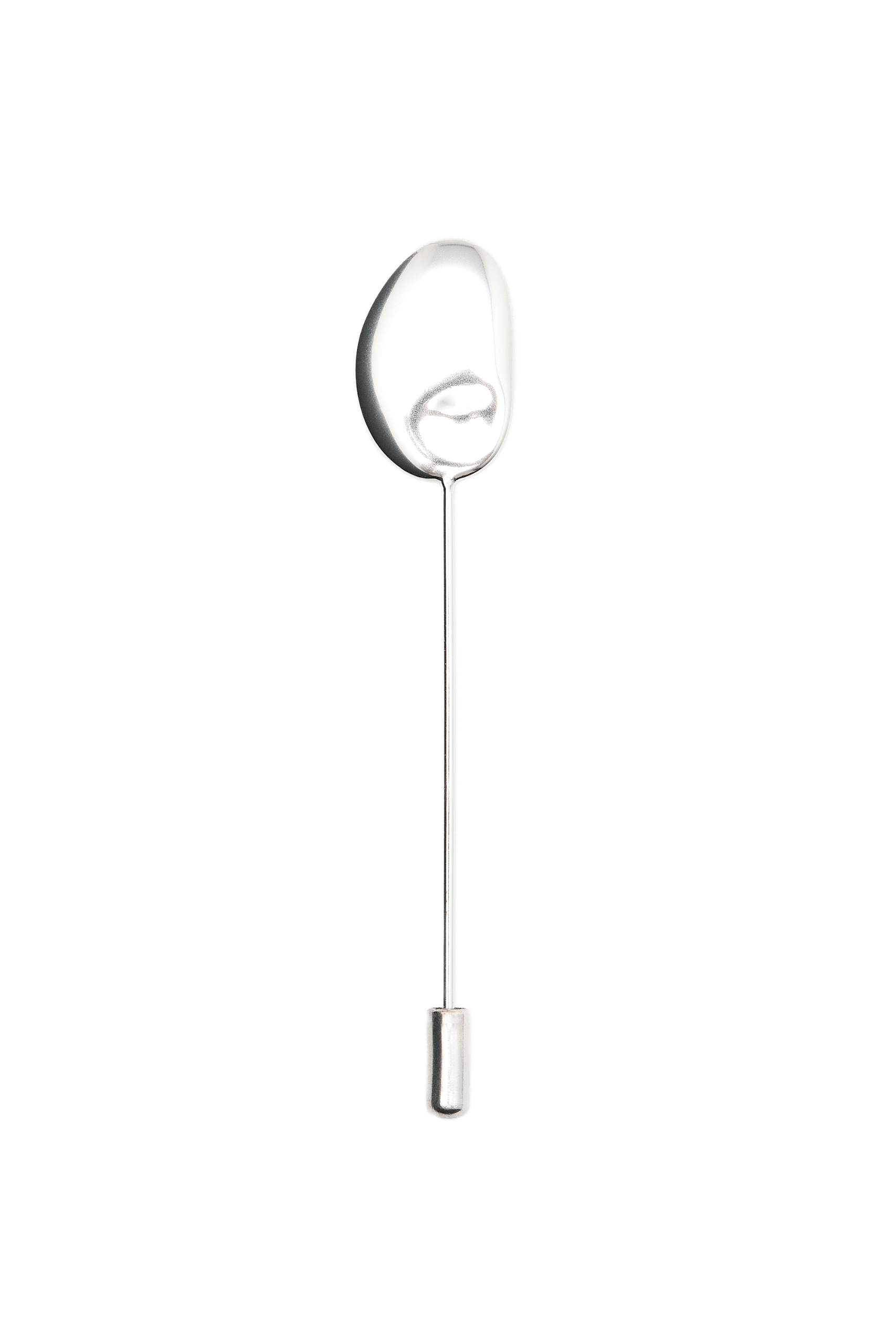
Massimo Dutti
Pebble Brooch
Coats and blazers were finished with this pin throughout the store, and now, I'm convinced I need one for the winter.
from Latest from Who What Wear https://ift.tt/JXgVYOr