I’m not someone who pores over my skin in the mirror each day, yet it’s been impossible for me not to notice the gradual emergence of dark spots on my skin over the last few years. I’ve had pigmentation on my skin since I was a teenager, due to post-acne scarring, but two bouts of pregnancy melasma and some more discolouration after the summer mean that I’m starting to feel a little self-conscious about it all. And with sun exposure often making pigmentation more noticeable, whether that’s existing marks becoming darker or new areas of discolouration appearing, I reckon that I won’t be the only one out there feeling this way.
Hyperpigmentation is the term used when areas of skin become darker than the surrounding skin due to an increase in melanin production. But it isn’t one-size-fits-all. There are different types of hyperpigmentation, with everything from sun damage and hormonal changes to inflammation and blemishes playing a role. Whatever the cause, pigmentation is incredibly common—and one of the most asked-about skincare concerns for good reason—but it means that the best approach depends on what’s causing the pigmentation in the first place.
To help make sense of it all, we’ve spoken to dermatologists and skincare experts about what causes hyperpigmentation, which skincare ingredients they recommend and the products they rate. From daily SPF to targeted serums, there are plenty of products for hyperpigmentation, and this guide covers the best ones to fade dark spots and improve uneven skin tone.

What Is Hyperpigmentation?
In simple terms, hyperpigmentation is when patches of the skin become darker than the surrounding area due to excess melanin production. “It’s an umbrella term that isn’t a diagnosis itself, but a sign that can result from several different conditions, and the treatment depends on the cause,” explains consultant dermatologist Dr Faraz Imran, The Skin Investment Clinic. “Therefore, what works well for acne marks isn't necessarily the best treatment for melasma or sun spots.”
What Causes Hyperpigmentation?
While there are many different causes, experts seem to agree that the most common is sun exposure—which is one of the reasons that wearing SPF daily is so important. “UV exposure ramps up melanin production, which is one of the main triggers for hyperpigmentation,” says skin health expert Holly Mason. “ But inflammation from acne, cuts or eczema can also leave dark marks behind, and hormonal shifts—particularly during pregnancy or with birth control— can trigger melasma too. And certain medications and irritating skincare products can also play a role.”

What Ingredients Are Best to Treat Hyperpigmentation?
Experts are unanimous that a broad-spectrum SPF applied daily is the single most important treatment for preventing and also treating hyperpigmentation. "Without sun protection, pigmentation often recurs despite using active ingredients,” says Dr Imran. In terms of active ingredients, though, the most effective is a topical ingredient called hydroquinone, which Dr Imran explains is prescription-only in the UK due to its potency, and should be used under medical supervision.
Thankfully, there are plenty of over-the-counter ingredients that are also efficacious at treating discolouration. “Vitamin C, niacinamide, and azelaic acid are excellent for brightening and calming pigmentation, while tranexamic acid has become increasingly popular for melasma specifically,” says Mason. “Retinoids and gentle chemical exfoliants like glycolic or lactic acid also help by speeding up cell turnover, although I’d recommend introducing these gradually rather than layering everything at once.”
How Long Does It Take to See Results?
If you’ve come to this guide hoping for a quick fix for hyperpigmentation, then prepare to be disappointed—treating it is more of a long-term game. “Skin cell turnover takes around a month, so most people won’t see visible change for six to 12 weeks,” says Mason, who stresses the importance of sticking to a skincare routine. “Consistency is far more important than any single ‘miracle’ product and sporadic use won’t shift stubborn pigmentation,” she says.
And Dr Imran agrees: “Most evidence-based treatments require patience. Early improvements may become noticeable after six to eight weeks, but meaningful improvement usually takes around three to six months of consistent treatment and diligent sun protection. Melasma, in particular, is a chronic condition with a tendency to recur, so maintenance treatment is often required,” Dr Imran says.
The Best Products for Hyperpigmentation
- Best SPF for Pigmentation: Eucerin Sun Pigment Control SPF50+ (£24)
- Best Brightening Hyperpigmentation Product: SkinCeuticals C E Ferulic (£169)
- Best Overnight Treatment: The Inkey List Tranexamic Acid Night Treatment (£17)
- Best for Stubborn Dark Spots: Murad Rapid Dark Spot Correcting Serum (£83)
- Best for Uneven Tone: Alpha-H Liquid Gold + Vitamin C (£51)
1. La Roche-Posay Mela B3 Facial Gel Cleanser
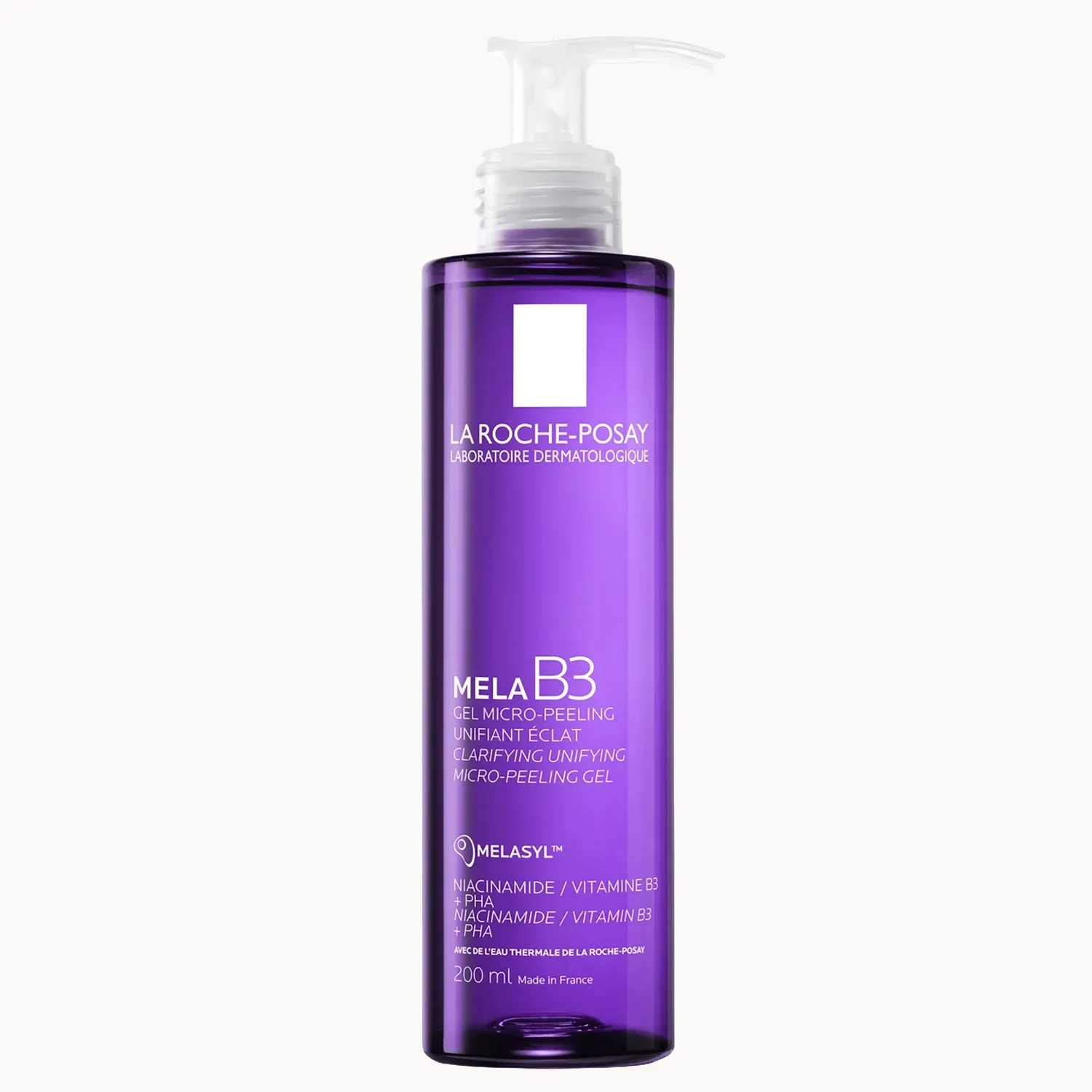 Best cleanser for pigmentation
A cleanser might not be the first product you think of when treating hyperpigmentation, but this is a clever option for building brightening ingredients into the very first step of your routine. It combines La Roche-Posay’s patented Melasyl molecule, which minimises the appearance of discolouration, with niacinamide and a gentle PHA to cleanse, lightly exfoliate and help improve the appearance of uneven tone. If you want to start targeting pigmentation without going straight in with a particularly potent treatment, then it’s a great starting point.
Pros
- Gentle gel texture
- Potent ingredients
Cons
- Wash-off formula so limited skin contact time
2. Eucerin Sun Pigment Control SPF50+
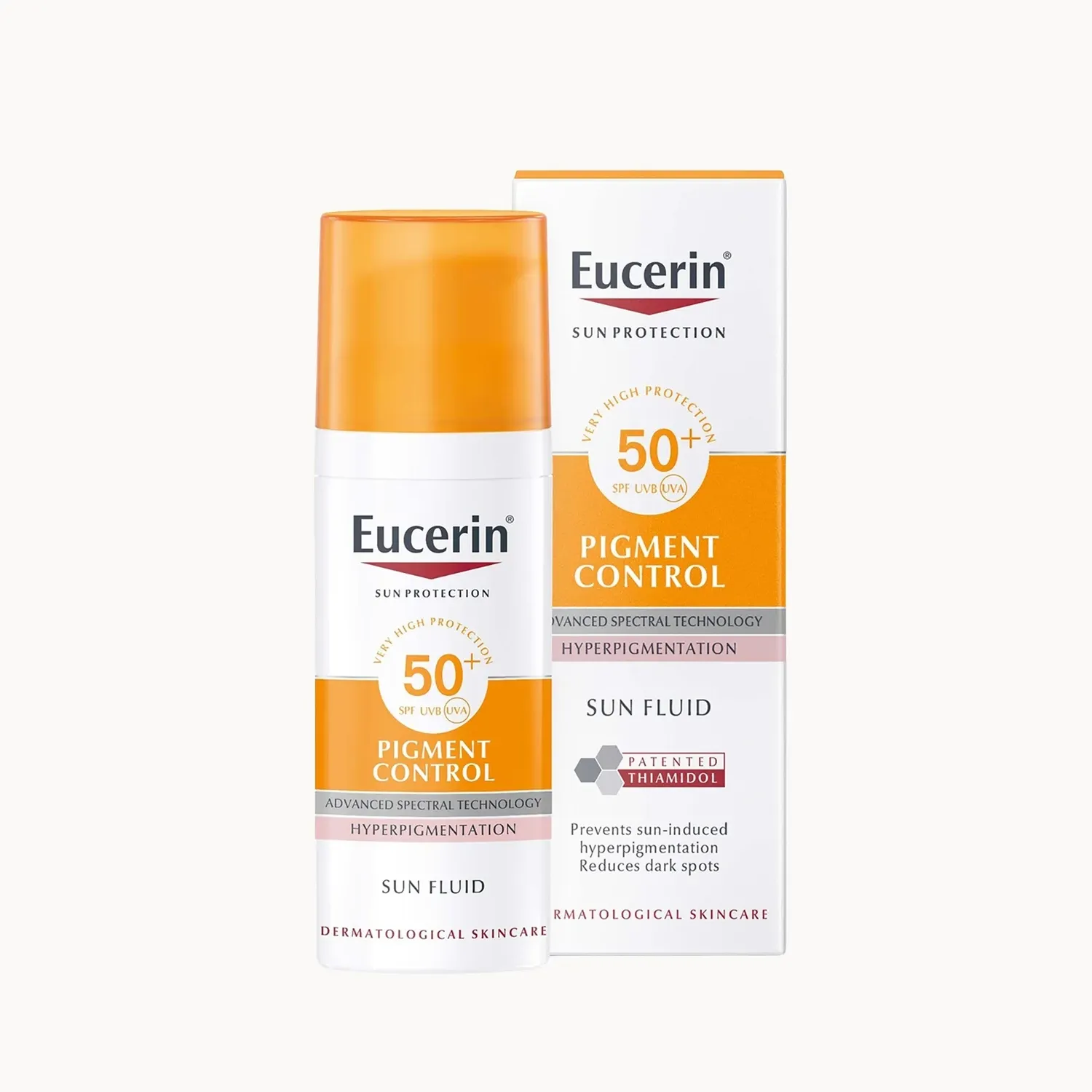 Best for protecting against pigmentation
When it comes to hyperpigmentation, prevention is every bit as important as treatment, which makes a high-protection SPF a non-negotiable. Eucerin’s Pigment Control fluid combines SPF50+ with thiamidol, the brand’s patented ingredient designed to target melanin production and help reduce dark spots. It’s particularly useful for anyone whose pigmentation becomes more noticeable after sun exposure, and daily protection really does help to stop UV exposure from continually undoing the work of all of these other skincare products on the list.
Pros
- High broad-spectrum protection
- Reduces appearance of pigmentation
Cons
- Quite a strong smell
3. Caudalie Vinoperfect Dark Spot Niacinamide Moisturiser
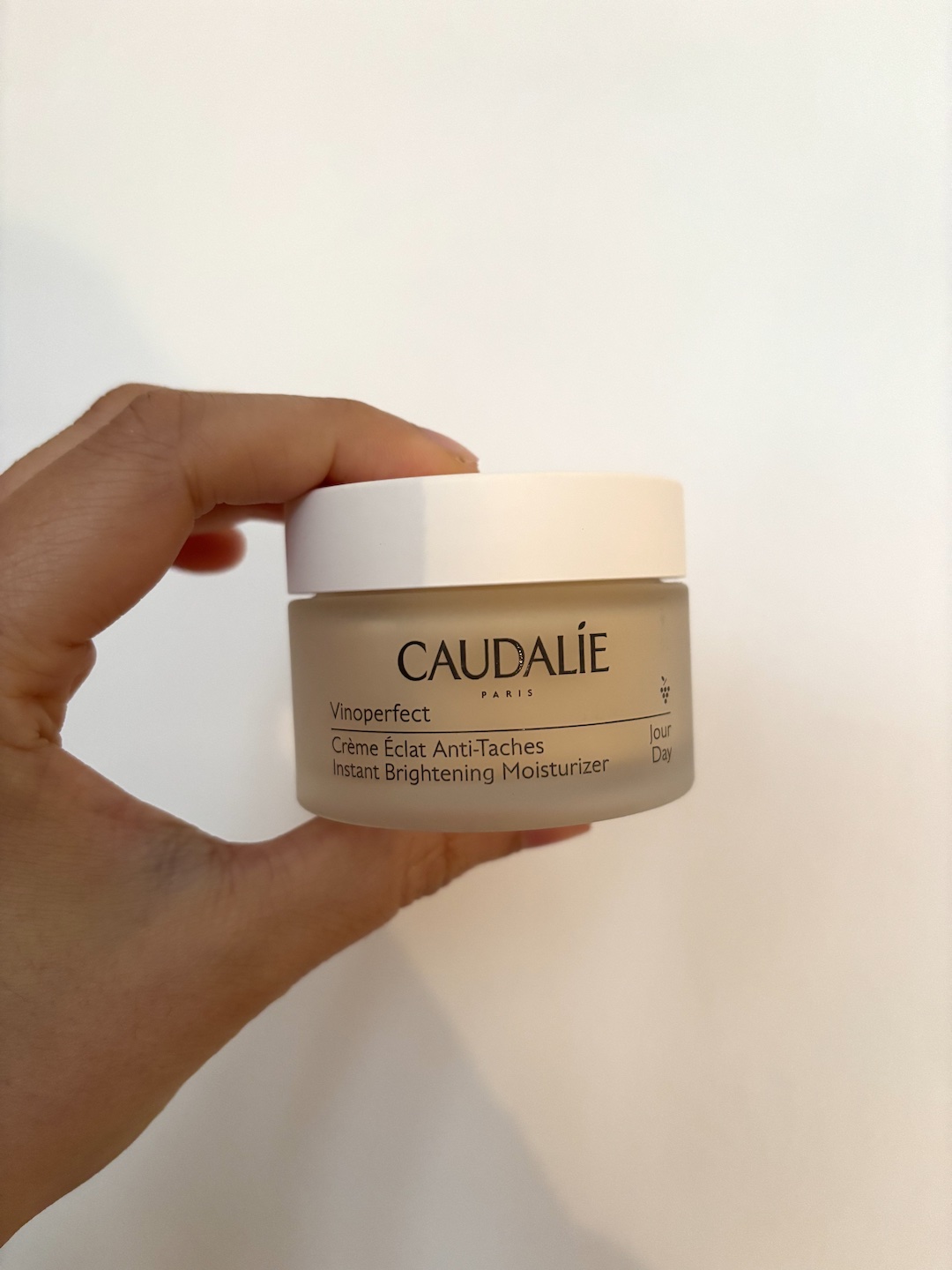
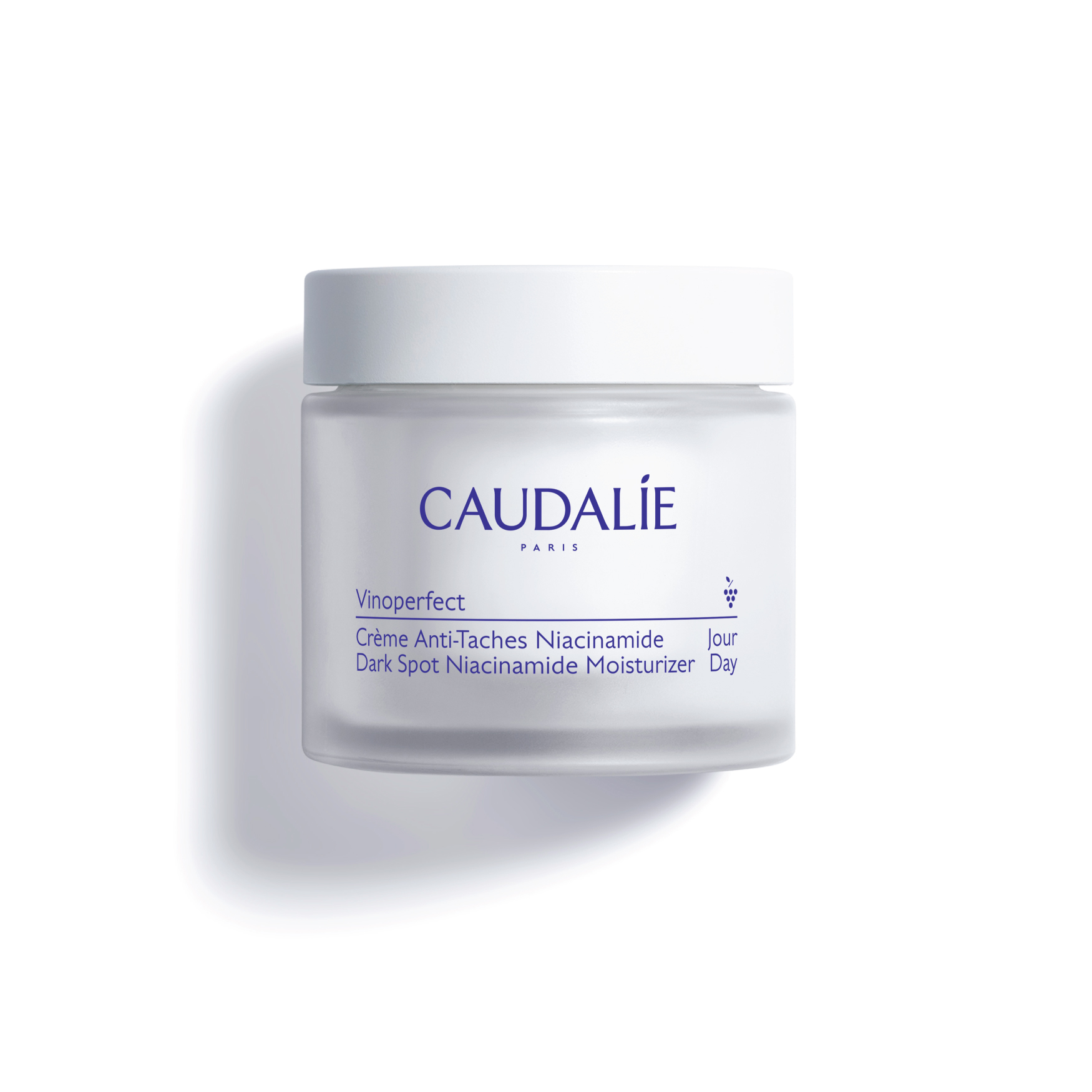 Best moisturiser for pigmentation
Not everyone wants another serum in their bathroom cabinet, which is where this Caudalie moisturiser comes in. It combines the brand’s patented Viniferine with niacinamide in a lightweight cream designed specifically for dark spots and hyperpigmentation. I like this as an option for anyone who wants to keep their routine streamlined: it provides hydration while making pigmentation the focus, rather than asking you to add yet another separate treatment step.
Pros
- Hydrates and brightens
- Lightweight texture
Cons
- You do need to stick with it for a couple of months to see the results
4. SkinCeuticals C E Ferulic
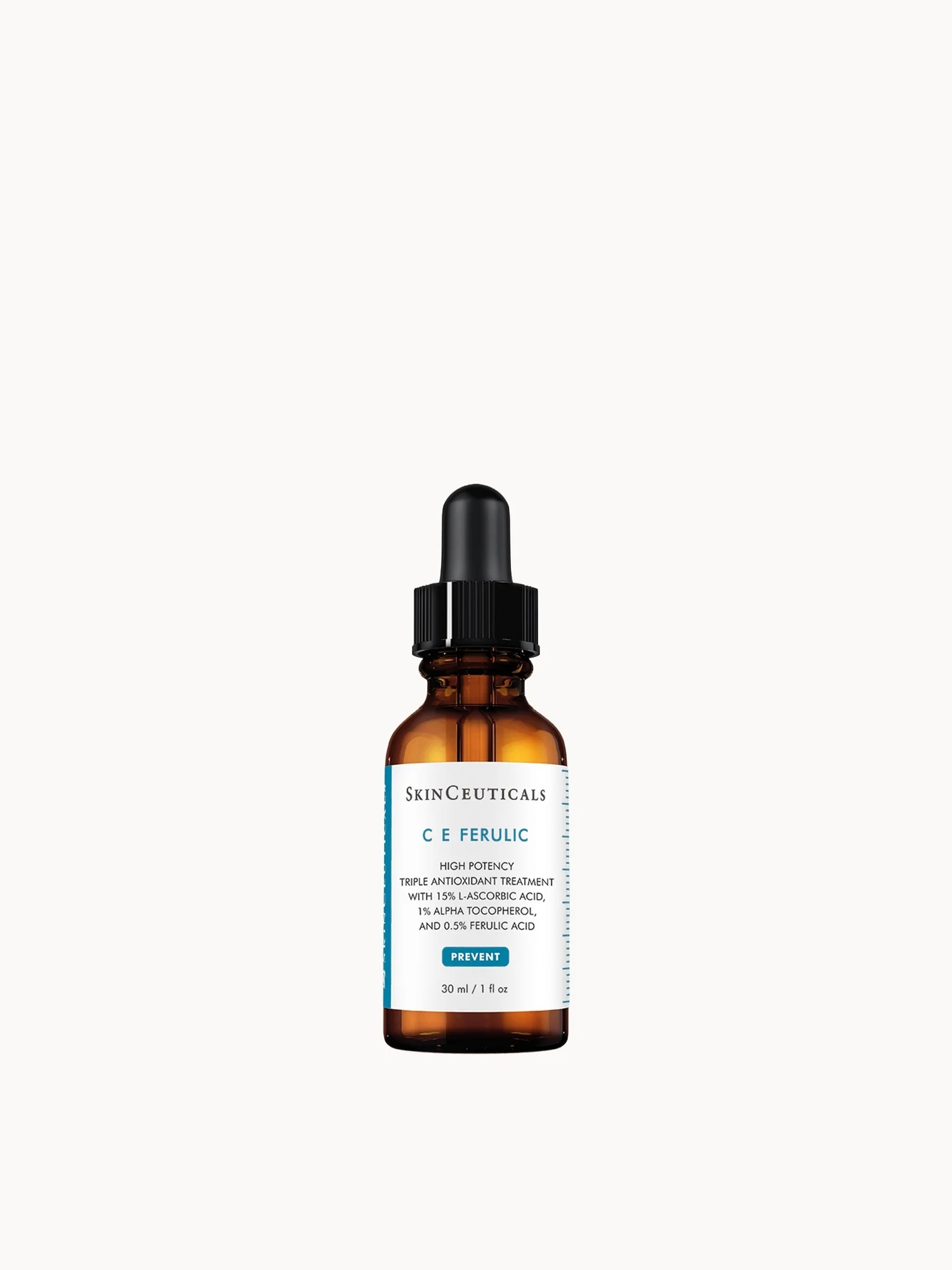 Best brightening hyperpigmentation product
A skincare classic for good reason, C E Ferulic is particularly useful if your hyperpigmentation is accompanied by dullness and visible signs of ageing. Its 15% pure vitamin C works alongside vitamin E and ferulic acid to provide antioxidant protection while helping improve the appearance of dark spots and brighten the complexion. It’s an investment, but the formula has earned its place as one of the better-known vitamin C serums for a reason—skin literally glows when you're using it.
Pros
- Potent 15% l-ascorbic acid
- Antioxidant protection plus brightening benefits
Cons
- One of the pricier options in this edit
5. The Ordinary Azelaic Acid 10%
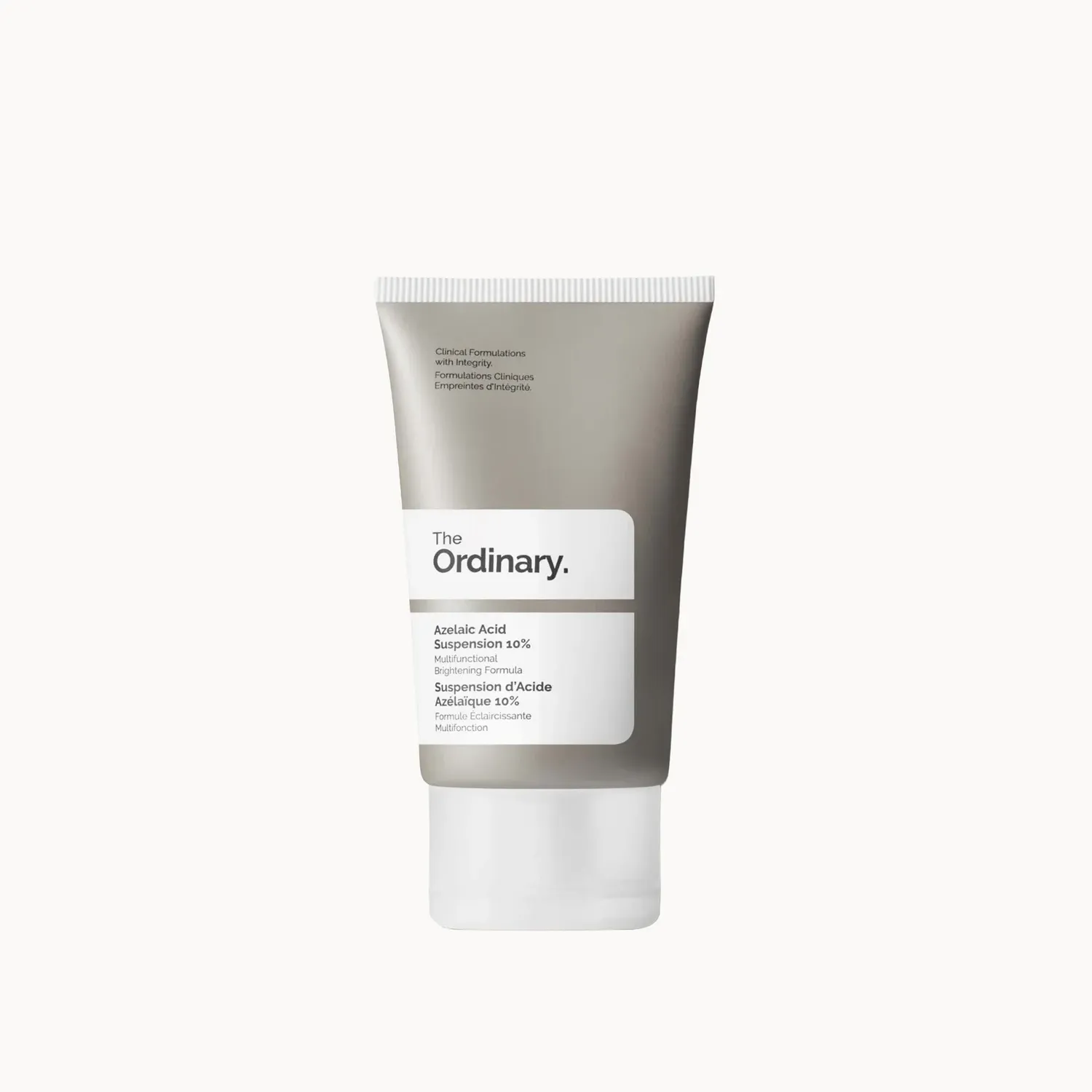 Best for post-breakout pigmentation
If your dark marks tend to appear wherever a blemish has been, azelaic acid is an ingredient worth knowing about. The Ordinary’s 10% formula helps improve the appearance of uneven tone while also targeting the texture and redness that can accompany blemish-prone skin. It’s a particularly useful multitasker for anyone dealing with both breakouts and the pigmentation they leave behind, without needing to invest in a complicated (or overpriced) routine.
Pros
- Great for blemishes and uneven tone
- Affordable option
Cons
- The texture can be a little tacky
6. The Inkey List Tranexamic Acid Night Treatment
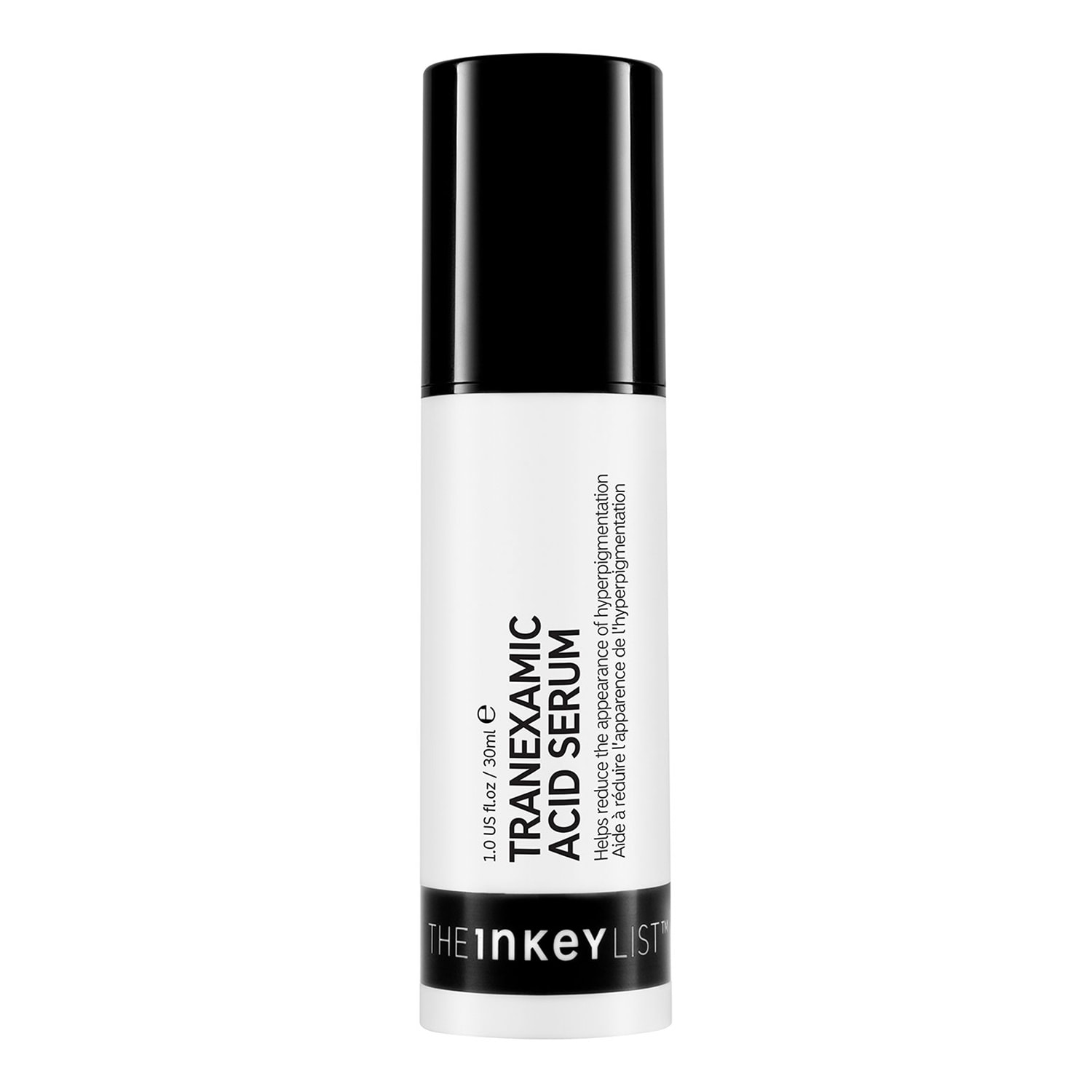 Best overnight pigmentation product
Tranexamic acid has become a popular ingredient for tackling the appearance of hyperpigmentation, and this is one of the easiest ways to incorporate it into a nighttime routine. The formula contains 2% tranexamic acid alongside a vitamin C derivative and acai berry extract, giving it a three-pronged approach to improving dullness and uneven tone. I particularly like the simplicity here: it’s designed to be the final treatment step at night, replacing your evening moisturiser, so there's no need to change your routine around it.
Pros
- Contains 2% tranexamic acid
- Simple overnight treatment format
Cons
- May be too active if your routine already contains lots of brightening treatments
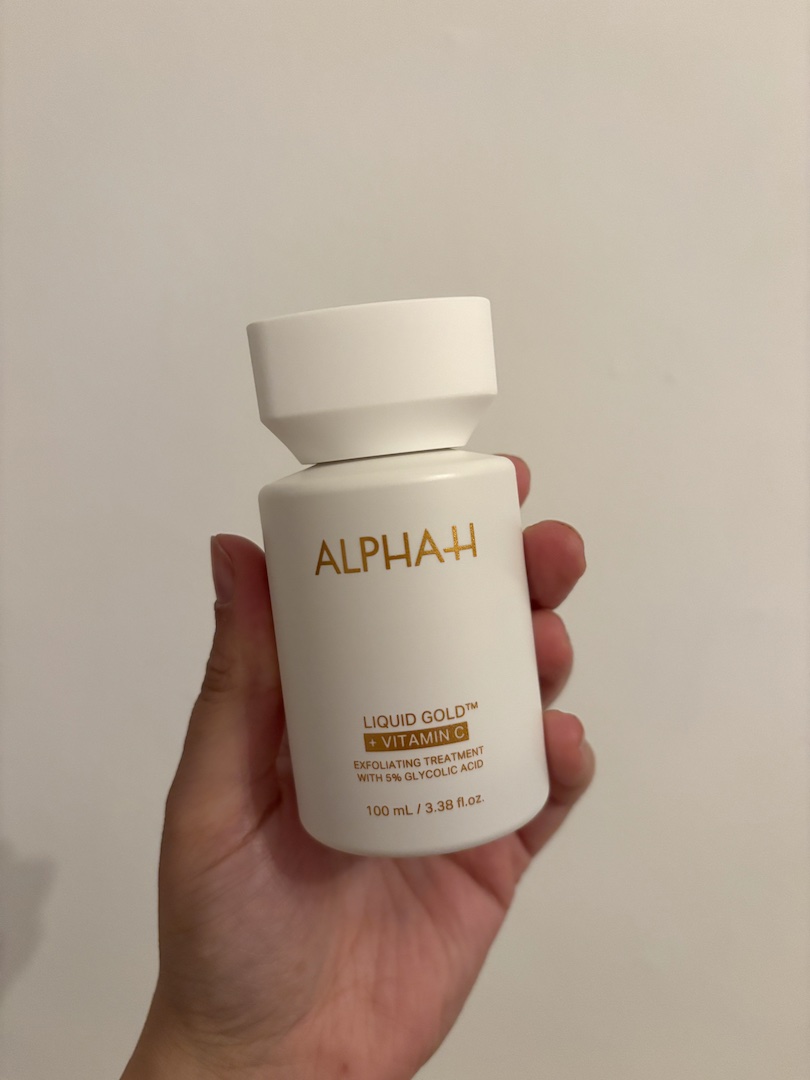
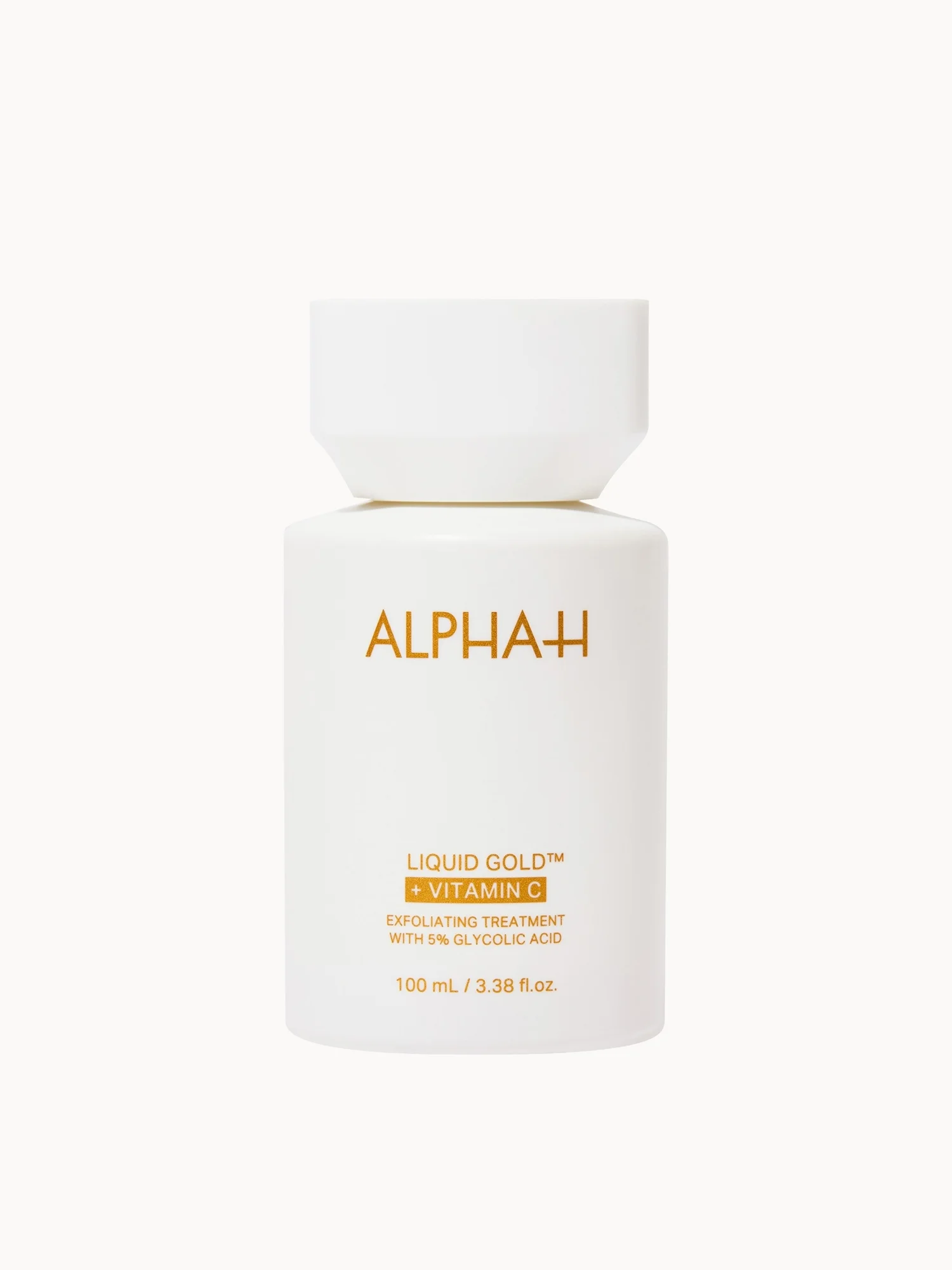
7. Alpha-H Liquid Gold + Vitamin C
 Best pigmentation product for uneven texture
Sometimes the best approach is to gently encourage the skin’s natural exfoliation process, particularly if pigmentation is sitting alongside roughness and dullness. Liquid Gold uses glycolic acid in a low-pH formula to exfoliate the surface of the skin, with the brand reporting improvements in tone, texture and luminosity. It’s a longstanding favourite for a reason, and can be particularly appealing if you want your skin to look smoother and brighter as well as more even.
Pros
- Glycolic acid tackles tone and texture together
- Longstanding cult product
Cons
- Too harsh for sensitive skin
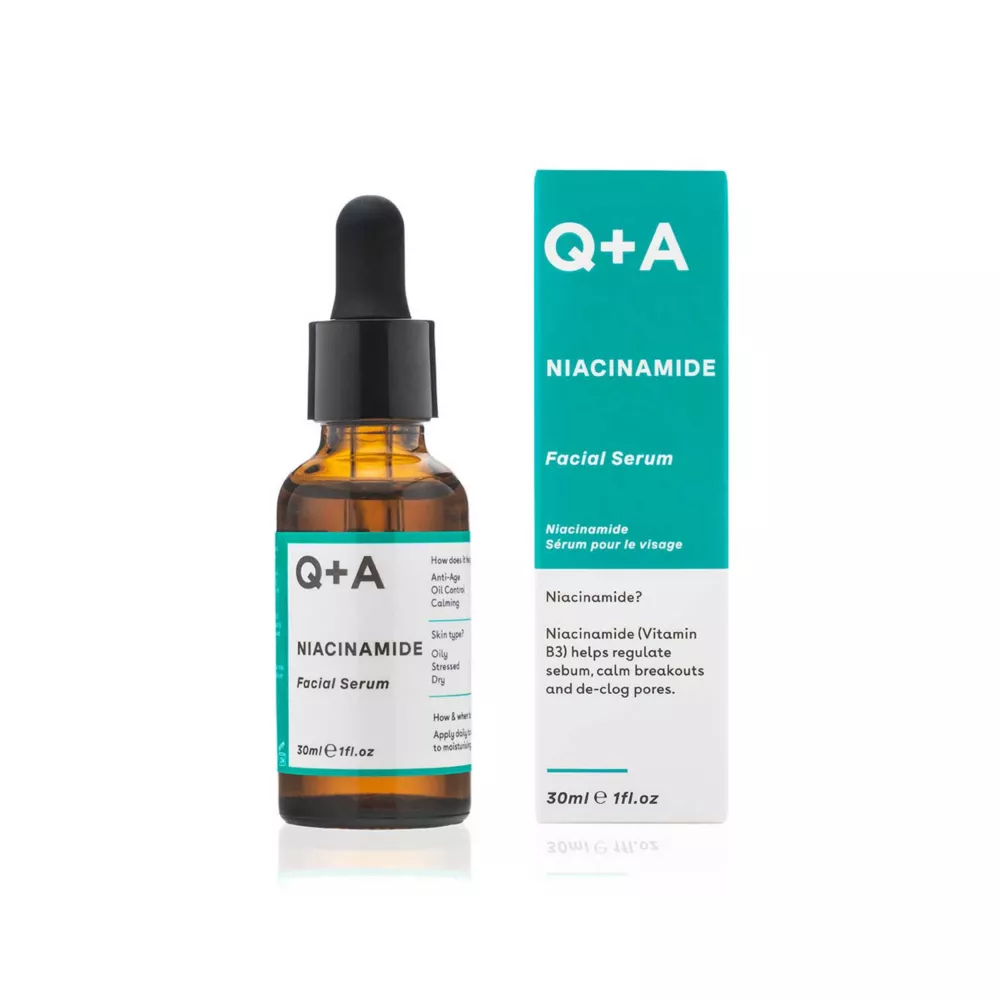
8. Q+A Niacinamide Facial Serum
 Best affordable pigmentation product
Niacinamide is one of those wonderfully versatile ingredients that can make sense in a pigmentation-focused routine without feeling overly aggressive. Q+A combines it with soothing allantoin and a blend of antioxidant-rich fruit extracts to help improve the look of uneven tone while supporting the skin barrier. At under £7, it’s also an easy entry point if you’re curious about niacinamide but don’t want to spend a lot on a single active.
Pros
- Excellent budget-friendly option
- Great for al skin types
Cons
- Less targeted than a dedicated dark-spot treatment
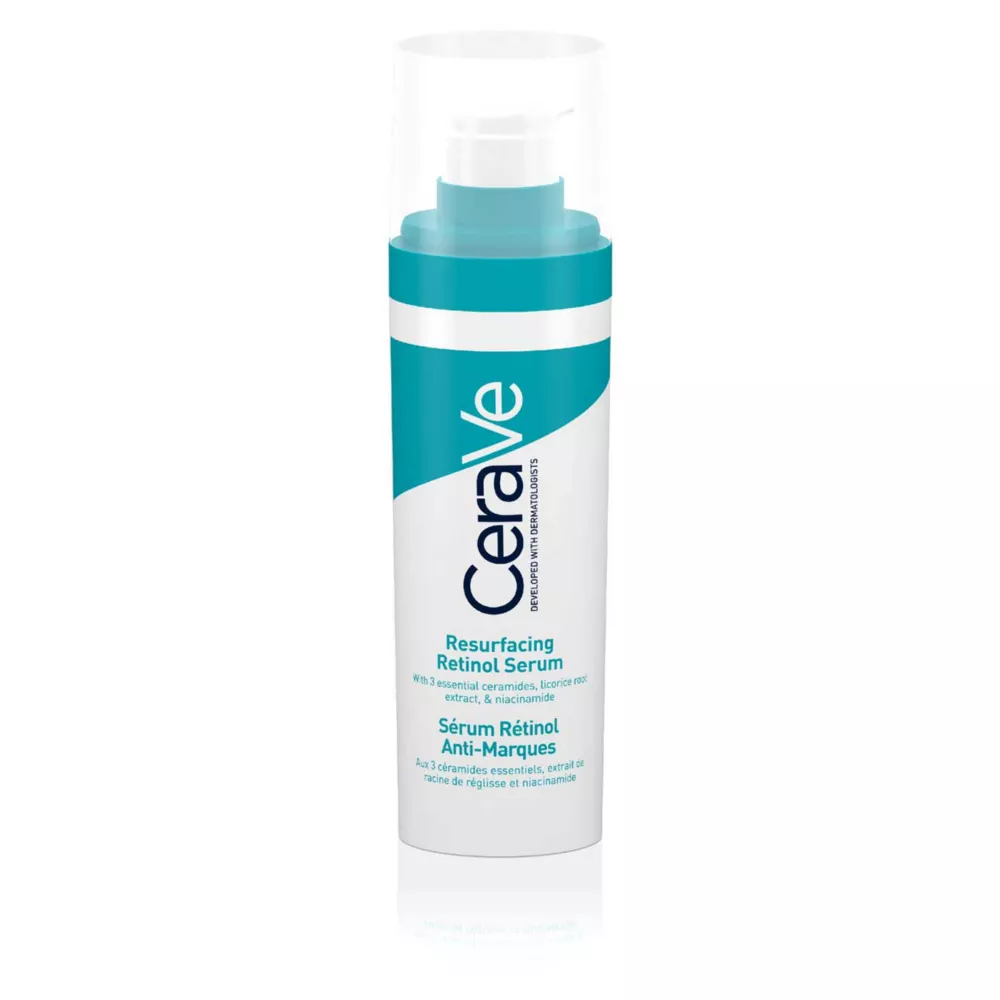
9. CeraVe Resurfacing Retinol Serum
 Best for spot-prone skin
Retinol is worth considering if your pigmentation tends to arrive alongside breakouts, uneven texture or lingering post-acne marks. CeraVe’s Resurfacing Retinol Serum is specifically formulated to improve the appearance of post-acne marks, while niacinamide and ceramides help support the skin barrier. That makes it a good option for anyone who wants to work on more than just pigmentation in one step, particularly if smoother-looking skin is also on the wish list.
Pros
- Targets post-acne marks and uneven texture
- Contains ceramides and niacinamide
Cons
- Retinol can be irritating while skin adjusts
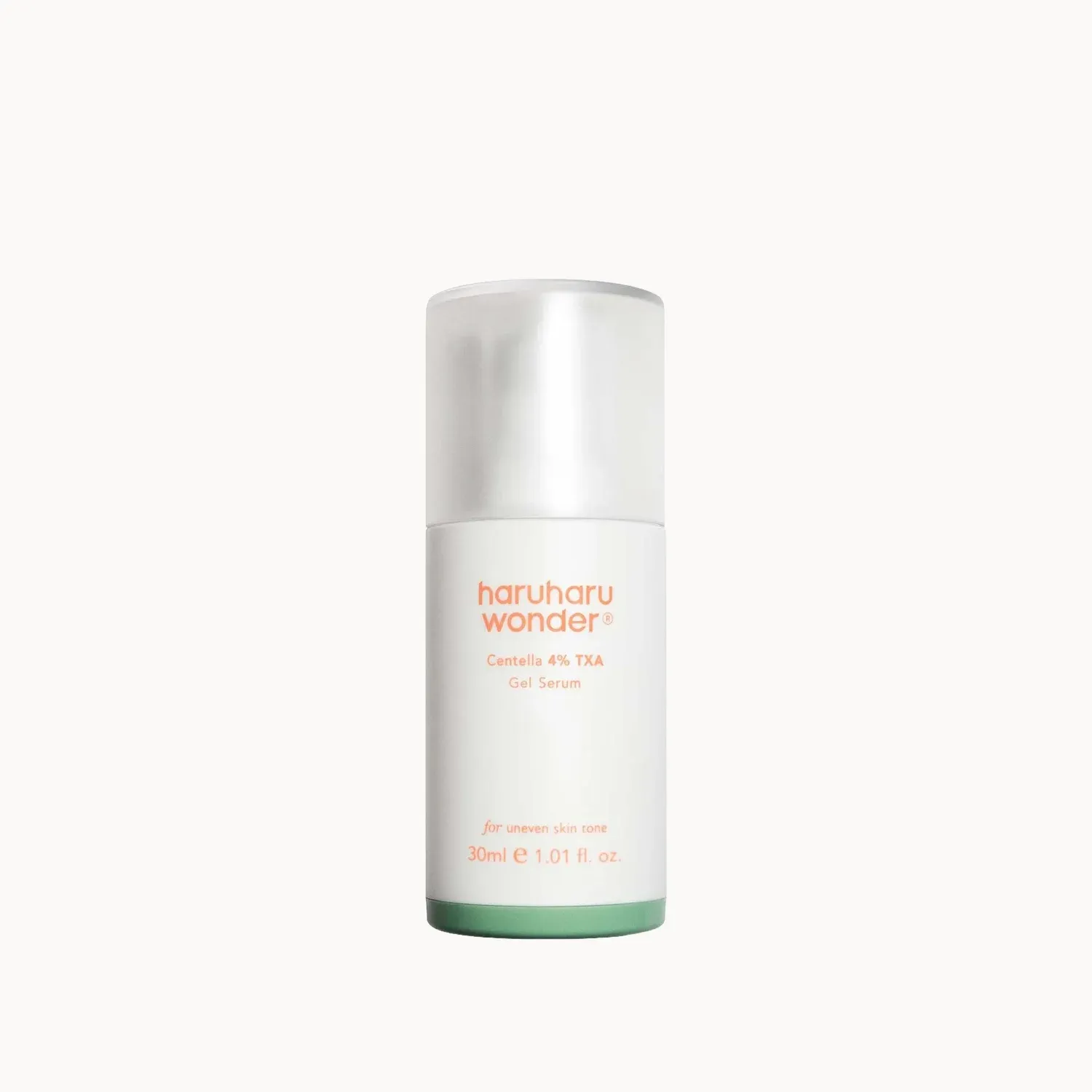
10. Haruharu Wonder Centella 4% TXA Dark Spot Go Away Serum
 Best for tranexamic acid beginners
This Korean skincare favourite takes a more targeted approach to hyperpigmentation, combining 4% tranexamic acid with 4% niacinamide to tackle the look of dark spots and uneven tone. Centella and madecassoside are also included, giving the formula a soothing side that makes sense when you’re using active ingredients. It’s a good pick if you want a dedicated pigmentation serum but prefer a lightweight formula rather than a richer cream or heavier treatment.
Pros
- 4% tranexamic acid and 4% niacinamide
- Includes soothing centella ingredients
Cons
- Results require consistent use
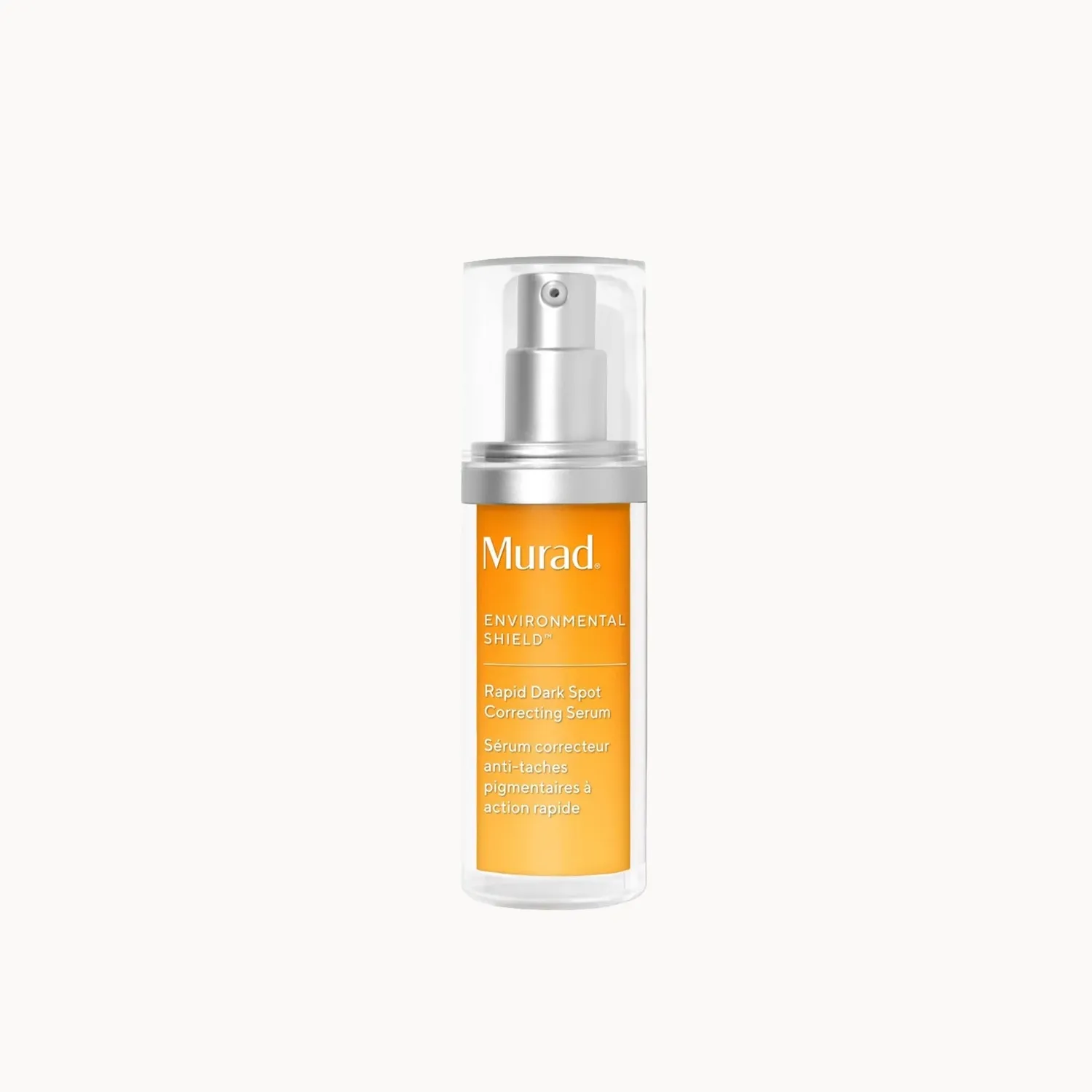
11. Murad Rapid Dark Spot Correcting Serum
 Best for stubborn dark spots
For anyone who feels like their pigmentation has well and truly overstayed its welcome, this is the more intensive option. Murad’s formula combines its patented resorcinol technology with tranexamic and glycolic acids to target the appearance of dark spots while encouraging surface cell turnover. It’s designed to work on existing pigmentation rather than simply delivering a general glow, making it a strong choice when fading visible marks is the main goal.
Pros
- Highly targeted dark-spot formula
- Combines resorcinol technology with tranexamic and glycolic acids
Cons
- Might be too strong for sensitive skin
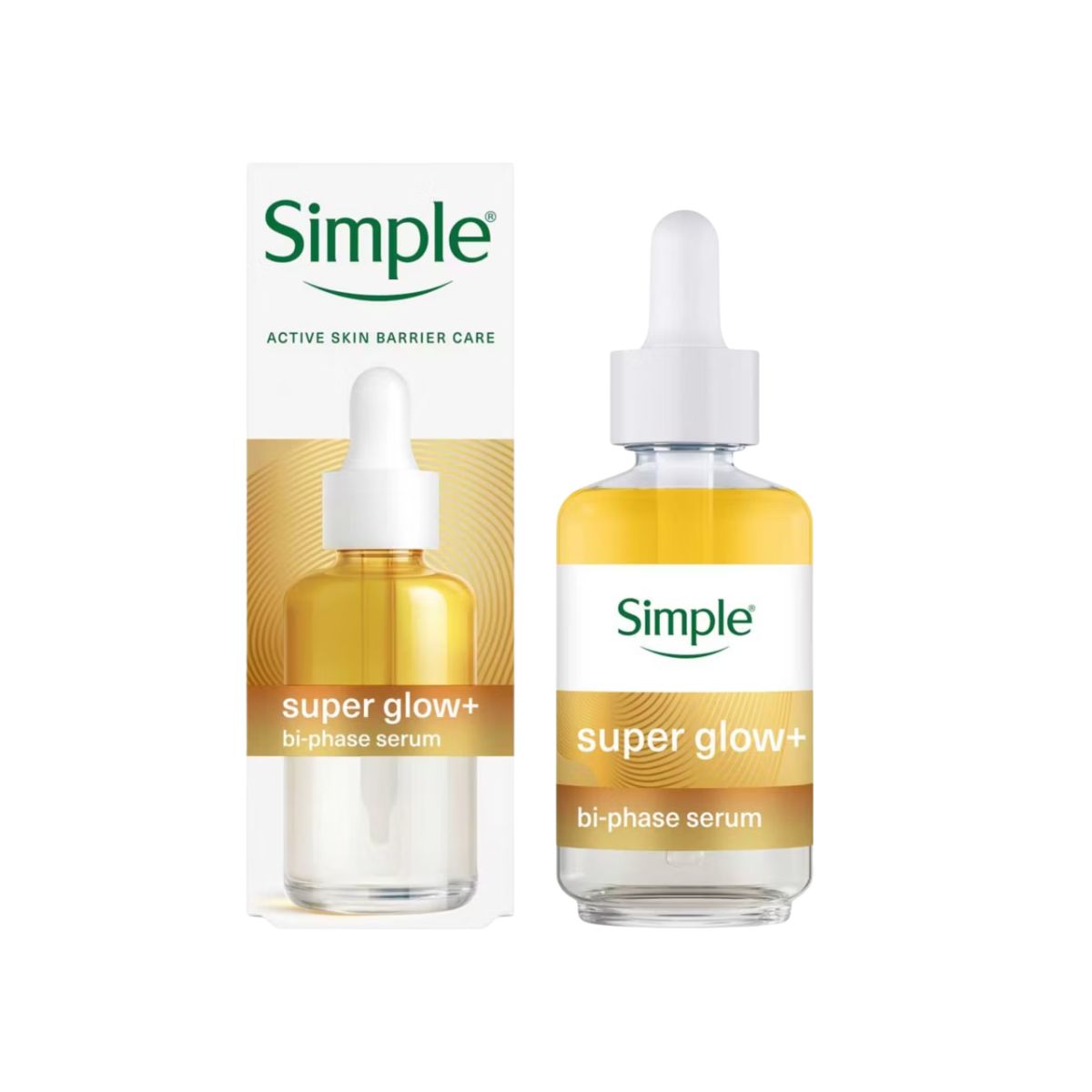
12. Simple Super Glow+ Bi-Phase Face Serum
 Best hyperpigmentation product for dull skin
If your main concern is that your complexion looks a little flat as well as uneven, this is a nice middle ground between a targeted pigmentation treatment and an everyday glow serum. The bi-phase formula combines niacinamide with hexylresorcinol and retinyl propionate to help improve the appearance of uneven tone, whilst the nourishing texture gives skin a more hydrated finish. It’s also a good option for anyone who likes skincare that leaves an immediate cosmetic improvement while working on tone over time.
Pros
- Combines brightening and smoothing ingredients
- Gives skin an instant glow
Cons
- Oily skin might find finish too radiant
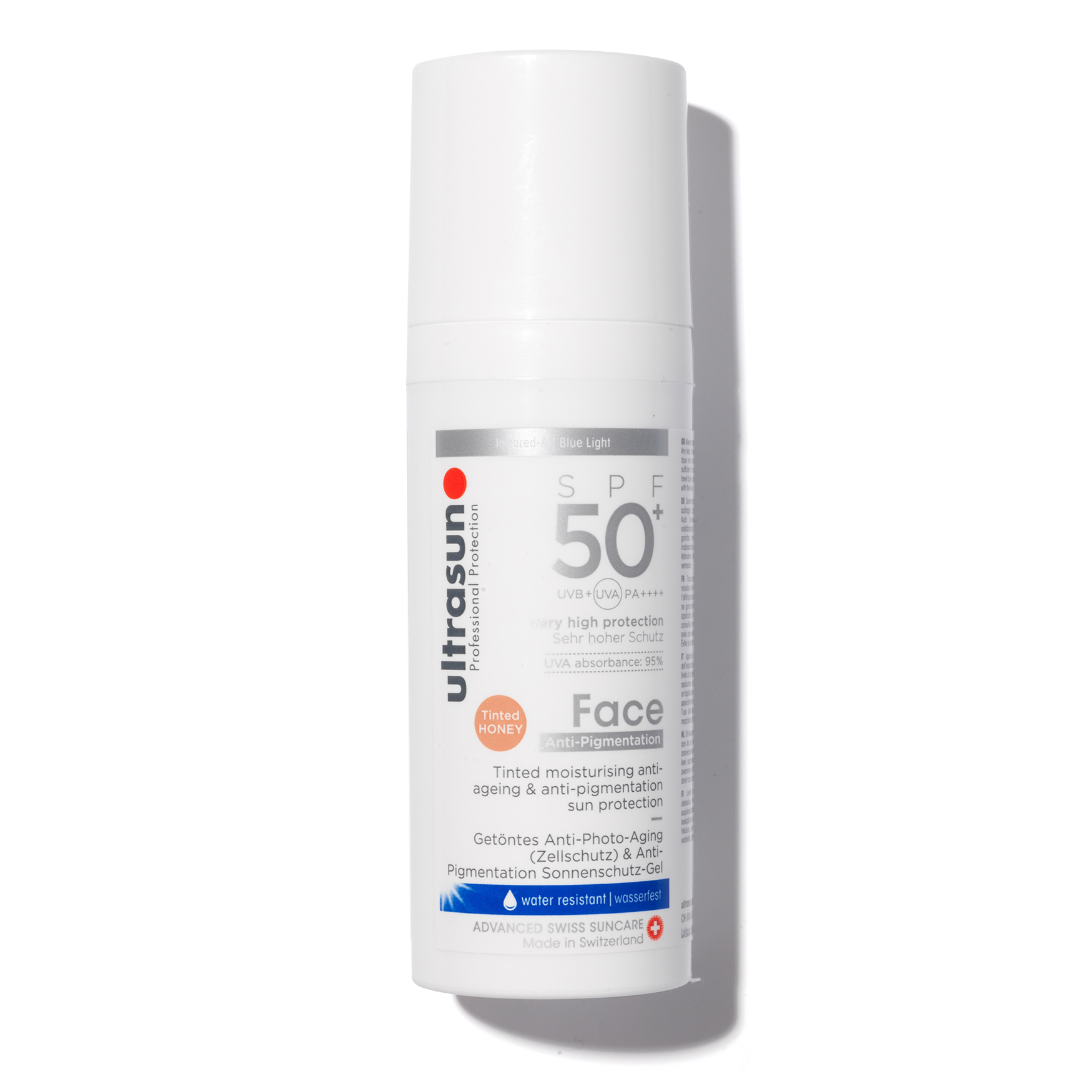
13. Ultrasun Tinted Anti Pigmentation Face SPF 50
 Best tinted SPF for pigmentation
Think of this as your daily defence rather than another dark-spot treatment to layer into your evening routine. Ultrasun's Tinted Anti Pigmentation Face SPF 50 is designed specifically with pigmentation in mind, pairing high SPF50+ protection with hydrating ectoin and a natural tint that adapts to your skin tone to help manage uneven patches and disguise discolouration. It’s a particularly sensible choice if your pigmentation tends to deepen in the summer or after periods of increased sun exposure. Because no brightening routine will work well if UV exposure keeps triggering more pigment, this is one to prioritise.
Pros
- High SPF 50+ protection
- Handy pump dispenser
Cons
- More shade options would make for an even better skin tone fit
How We Tested
For this piece, I spoke with skincare experts consultant dermatologist Dr Faraz Imran of The Skin Investment Clinics and skin health expert Holly Mason to get their advice on which products really do work to improve the appearance of hyperpigmentation over time. I also tested some of the products myself, focusing on their ability to minimise discolouration, even skin tone and brighten. I also considered customer reviews of these products as there is no one-size-fits-all approach to pigmentation.
Why Trust Us
At Who What Wear UK, we know that beauty isn’t one-size-fits-all. Our editors have tested thousands of products over the years—spanning skincare, makeup, hair and nails—and work closely with trusted experts including dermatologists, makeup artists and leading industry insiders to ensure every guide is well-researched, inclusive and relevant to you.
We focus on formulas that deliver, whether they’re affordable favourites or luxury investments. Our product selection is based on tangible results, ingredient know-how and what we’d truly recommend to a friend.
from Latest from Who What Wear https://ift.tt/J4qCP1T

No comments:
Post a Comment